
Review · AUSTRALIA HISTORY TOURS
Albany’s Historic Whaling Station Admission Ticket
The most striking part of Albany’s Historic Whaling Station is the chance to walk through a former whale-processing site and then board the Cheynes IV, the only preserved whale chaser ship in the world. Short films play inside converted whale-oil tanks, while a giant blue whale skeleton gives the scale of these animals some real force.
I like the freedom of a self-guided visit, since you can spend extra time with the displays that interest you. I also like the mix of authentic industrial remains, whaling artifacts, scrimshaw, marine art, and a small Australian wildlife area. The main caution is that the subject can feel confronting, and wet, windy weather may cut your visit short.
Key points at a glance
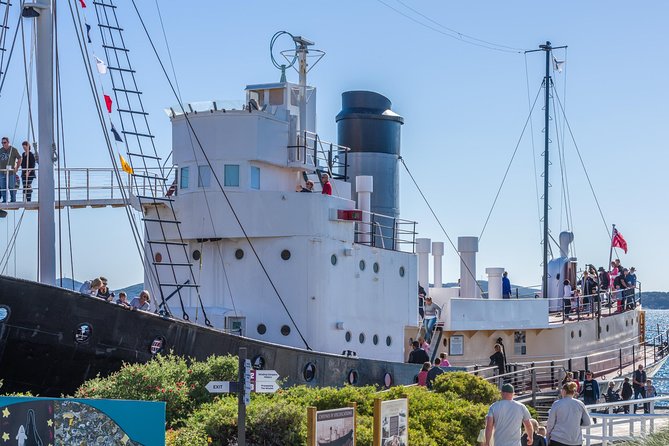
- Board the Cheynes IV: Explore the preserved whale chaser rather than viewing it only from the shore.
- Step inside converted oil tanks: Watch short films in unusual spaces tied directly to the site’s working past.
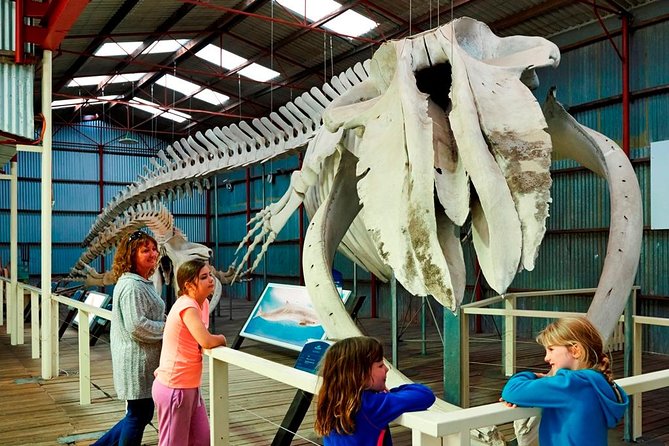
- See a giant blue whale skeleton: The display helps you grasp the enormous size of the animals involved.
- Set your own pace: The self-guided format works well for families, photographers, history fans, and curious visitors.
- Allow two to three hours: Add time for the café, museum displays, flower garden, or free BBQ facilities.
- Plan for changeable weather: The site operates in all weather, so bring suitable clothing, especially for windy or wet days.
Why Albany’s whaling station matters
Albany’s Historic Whaling Station presents a difficult part of local and Australian history without turning it into a simple theme-park attraction. This was an operating whale-processing center, and the buildings, tanks, equipment, ship, and artifacts give the subject a physical presence.
I find that useful because a display about whaling can otherwise feel distant. Here, you can stand inside former whale-oil tanks, watch short films in the spaces, and see the machinery and objects connected with the trade. The setting links the story to a real workplace rather than a textbook.
The site also gives you several ways to approach the subject. You can focus on industrial history, marine life, ship design, artwork, or the daily work of whaling crews. That variety makes the visit more than a single exhibit.
It is worth knowing what you are choosing. The subject is not light entertainment, and some displays may feel confronting. One review called it unsuitable for the faint-hearted, which is fair advice for families with young children or anyone sensitive to the realities of the industry.
More Entry Tickets in Australia:
- Entry Ticket at Historic Village Herberton
★ 5.0 · 114 reviews - Albany: Historic Whaling Station Entry Ticket
★ 4.8 · 24 reviews - New York City: American Museum of Natural History Ticket
★ 4.5 · 15,447 reviews
The 20-minute trip from Albany CBD
The station is about a 20-minute scenic drive from Albany’s central business district. That short trip makes it an easy addition to a day exploring the area, rather than a destination that needs a full day of travel.
Because the visit is self-guided, you are not tied to a group departure or a fixed sequence. You can arrive during opening hours, enter with your pre-purchased admission, and decide how long to spend in each part of the site.
The attraction is open daily from 9:00 a.m. to 5:00 p.m. The practical sweet spot is a morning or early afternoon visit, leaving enough time for the displays, ship, films, and outdoor areas. The stated visit time is two to three hours, though the final length depends on how closely you read the exhibits and how long you stay for food or a break.
I would avoid treating this as a quick one-hour stop. You can rush through the main points, but you would lose much of the value in the smaller exhibits and historical material.
Inside the former processing center
The old processing area is the heart of the visit. Rather than seeing only modern panels, you move through a place built for the whaling industry. The surroundings help explain how large and organized the operation once was.
Short films are shown inside converted whale-oil tanks. These unusual screening rooms give the films a direct connection to the site. They also break up the museum visit, so you are not simply reading labels from one room to the next.
The exhibits include authentic whaling artifacts and memorabilia. The available information does not list every object, so you should expect the displays to provide a broad look at the industry rather than a tightly scripted tour with a guide.
That freedom is helpful if you have different interests within your group. One person can spend time on equipment and working life, while another studies the marine displays or art collection. The tradeoff is that you need to manage your own pace and attention. There is no guide creating a narrative for you from start to finish.
The Cheynes IV and the working life of a whale chaser
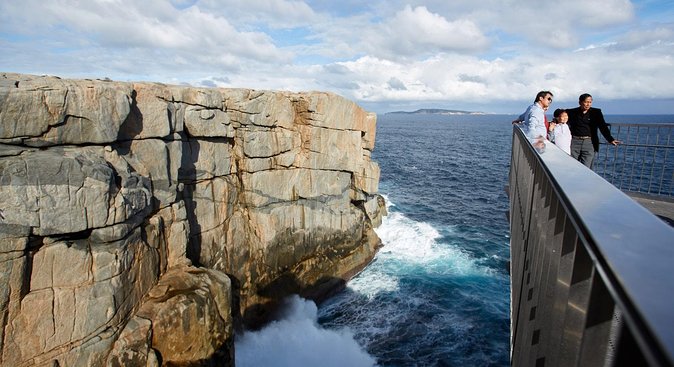
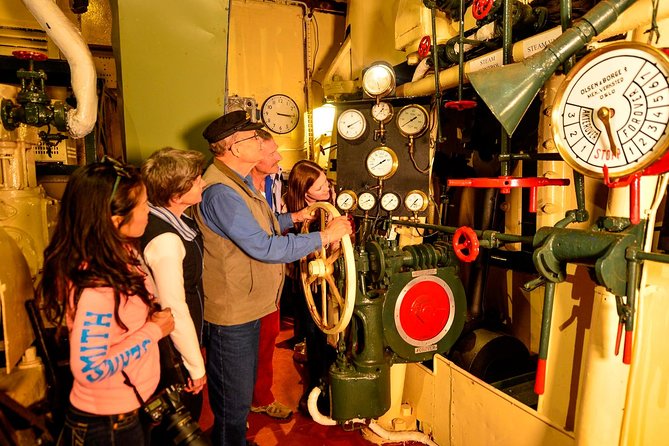
The Cheynes IV is the visit’s strongest physical attraction. You can board the vessel and explore the only preserved whale chaser ship in the world. That claim gives the ship more than local interest, especially if you enjoy maritime museums.
A preserved ship helps you understand the practical side of whaling in a way a wall panel cannot. You can think about the cramped working environment, the vessel’s purpose, and the skill required to operate it. The ship turns the story from an abstract account of an industry into something you can see at close range.
The attraction does not provide a separate guided ship tour, so you should expect to explore it as part of the self-guided visit. Allow time to look carefully rather than treating the ship as a quick photo stop.
A moderate level of physical fitness is advised. The information provided does not specify exactly which areas may be difficult, but ships and historic industrial sites can require more effort than a standard indoor museum. Children must be accompanied by an adult.
More History Tours in Australia:
- Ultimate Melbourne Walking Tour: History, Laneways & Culture
★ 5.0 · 1,451 reviews - Puffing Billy Railway: Heritage Steam Train Journey
★ 4.6 · 1,195 reviews - Morning World Heritage Cruise on the Gordon River from Strahan
★ 5.0 · 1,193 reviews - Strahan: World Heritage Cruise on Gordon River with Lunch
★ 4.8 · 1,143 reviews
The blue whale skeleton and marine displays
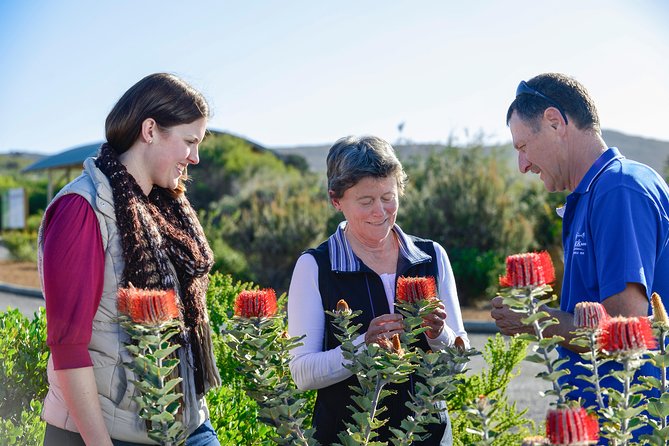
The giant blue whale skeleton is another major reason to visit. Even without detailed interpretation, the scale of the skeleton gives you a clear sense of the animal’s size. It is the kind of display that works for both adults and children because it communicates its point immediately.
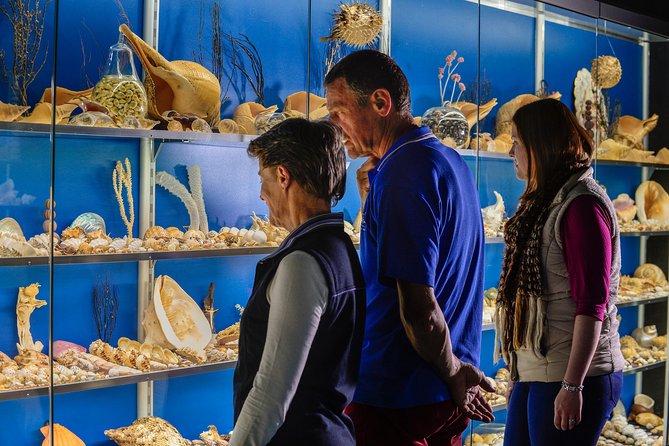
The marine collection also includes art featuring sea animals and a world-renowned collection of precious scrimshaw art. Scrimshaw, with its close links to maritime culture and whaling, adds a more personal and decorative side to the story.
These displays broaden the visit. If the industrial sections feel heavy, the art and marine material offer another way to think about the ocean and the people who worked on it. I would give yourself time here, especially if you enjoy craft, unusual objects, or museum collections.
The small Australian wildlife enclosure adds another layer to the stop. It is not described as a large zoo or full wildlife park, so keep your expectations modest. Think of it as an extra feature that may appeal to families and gives you a change of focus during a longer visit.
Taking the self-guided route

A self-guided visit suits people who dislike being hurried. You can pause a film, study a display, return to a section, or move on when your interest fades. That is especially useful at a site covering both technical whaling material and personal or artistic objects.
I also see a practical benefit for families. Adults can read more of the historical information while children look for the ship, skeleton, wildlife area, or visual exhibits. Since children must remain with an adult, you will need to keep an eye on them throughout the visit.
The downside is that the quality of your visit depends on how much time you give it. If you prefer a guide who explains the broader story and answers questions, this format may feel less personal. The admission includes all activities, but there is no named guide or guided commentary listed.
Bring curiosity and a little patience. The most rewarding parts are spread across different kinds of spaces, and you will get more from the visit if you do not rush straight to the ship.
Café, flower garden, and a useful pause
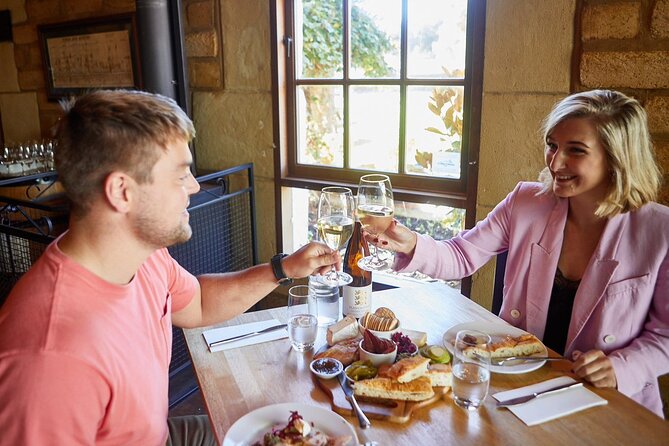
If you have extra time, the site includes a café overlooking one of Albany’s picturesque bays. Food and drinks are not included in the admission price, so plan to pay separately if you eat there.
The flower garden has free BBQ facilities. This is a useful bonus for families and self-catering visitors, especially if you want to turn the museum visit into a longer outing. You need to bring or buy your own food, since lunch is not included.
These facilities also make the two to three-hour visit easier to manage. You can take a break between the indoor exhibits and the outdoor parts rather than trying to absorb everything in one continuous circuit.
I would not book the site only for the café or BBQ. Their value is that they give you more flexibility around the main historical visit. The café view and garden pause can make a full morning or afternoon feel more relaxed.
Weather, timing, and physical comfort
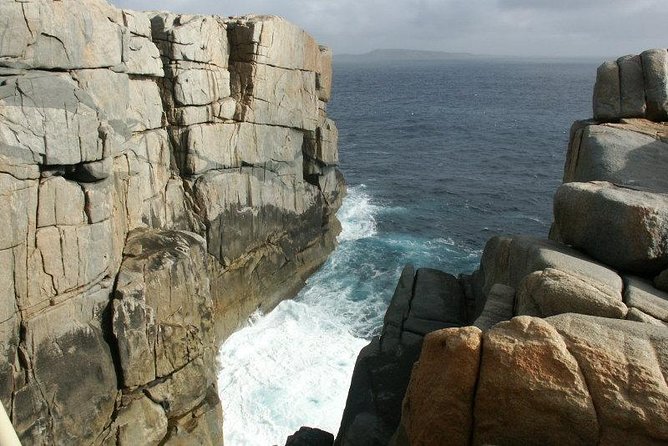
The attraction operates in all weather, and that matters here. One particularly wet and windy day was enough to shorten a visit, so you should dress for conditions rather than assuming every part of the experience will feel sheltered.
Bring layers and suitable outerwear if the forecast looks unsettled. The information does not promise indoor comfort throughout the whole site, and the ship and outdoor areas are important parts of the visit.
The attraction recommends a moderate level of physical fitness. You should be prepared for a historic site rather than a fully uniform modern museum. If mobility is a concern, contact the provider before booking because the supplied details do not spell out accessibility arrangements.
Opening hours are 9:00 a.m. to 5:00 p.m. every day during the stated operating period, from July 1, 2025, through June 30, 2027. Give yourself enough time before closing for the ship and the main displays.
Is the $26.49 admission good value?
At $26.49 per person, the ticket offers solid value if you use the site as a two to three-hour visit. Admission covers the activities, museum displays, films, ship, skeleton, art, scrimshaw, and other exhibits. GST is included, and the BBQ facilities are free to use.
I especially like the fact that you are paying for access to a substantial historic site rather than a short photo opportunity. The combination of the former factory, Cheynes IV, marine art, and wildlife enclosure gives you several distinct sections to explore.
Value depends on your interests. If you want a fast, polished attraction with constant entertainment, the self-guided format and serious subject may not suit you. If you enjoy local history, ships, museums, or unusual industrial sites, the ticket should keep you occupied for a worthwhile stretch of the day.
Food and drinks cost extra, and lunch is not included. Still, the café and free BBQ facilities mean you have options if you want to stay longer without paying for another activity.
Who should book this experience?
I would recommend it to people who want context for Albany’s past, not just scenic views. It suits history fans, maritime enthusiasts, families with older children, museum visitors, and anyone curious about how a working whaling station operated.
The site is also a good choice when you want to control the pace. You do not need to follow a guide or fit into a group schedule, and you can give more time to the exhibits that hold your attention.
I would think twice if you strongly dislike confronting historical subjects, need a completely weatherproof attraction, or prefer a short, highly guided tour. The site is also less suitable for anyone unable to manage the physical demands of a historic industrial area, unless arrangements are confirmed in advance.
Free cancellation is available if you cancel at least 24 hours before the experience start time. Changes or cancellations inside that window are not accepted and are not refunded, so keep the local cut-off time in mind.
Should you book Albany’s Historic Whaling Station?
Book it if you want an honest, hands-on look at an important part of Albany’s past. The preserved Cheynes IV, converted whale-oil tanks, blue whale skeleton, and original artifacts give the visit substance, while the self-guided format lets you take it at your own speed.
Allow the full two to three hours, dress for wind and rain, and do not skip the smaller displays in a hurry to reach the ship. If you prefer light entertainment or a guided tour with a set story, choose carefully. For a thoughtful museum visit with strong maritime detail and fair value at $26.49, this is a worthwhile stop near Albany.
FAQ
Where is Albany’s Historic Whaling Station?
It is located near Albany, Australia, about a 20-minute scenic drive from Albany CBD.
How long does the visit take?
The visit takes approximately two to three hours, depending on how much time you spend with the exhibits and facilities.
What are the opening hours?
The station is open Monday through Sunday from 9:00 a.m. to 5:00 p.m. during the stated operating period from July 1, 2025, through June 30, 2027.
Is the visit guided?
No guided tour is listed. You explore the museum and displays at your own pace on a self-guided visit.
Can I board the Cheynes IV?
Yes. Admission includes the opportunity to board the Cheynes IV, the only preserved whale chaser ship in the world.
What can I see at the station?
You can see short films in converted whale-oil tanks, a giant blue whale skeleton, whaling artifacts and memorabilia, marine animal art, scrimshaw art, the Cheynes IV, and a small Australian wildlife enclosure.
Is food included with admission?
No. Food, drinks, and lunch are not included. A café is available, and free BBQ facilities can be used in the flower garden.
Is the attraction suitable for children?
Children can visit, but they must be accompanied by an adult. The subject matter may not suit every child, so consider their age and sensitivity before booking.
What happens if the weather is bad?
The attraction operates in all weather conditions. You should dress appropriately, since wet and windy weather may affect how long you want to stay in the outdoor areas.
Newest history tours we have reviewed in Australia
- Darwin History and Wartime Experience Tour★ 5.0 · 144 reviews
- Bombing of Darwin WWII Heritage Tours★ 5.0 · 261 reviews
- Darwin Heritage Walk★ 4.5 · 101 reviews
- Private Half Day Tour: World Heritage Rainforest & Waterfall★ 5.0 · 19 reviews
- Cairns History Walking Tour★ 5.0 · 52 reviews
- Entry Ticket at Historic Village Herberton★ 5.0 · 114 reviews
- Historic Village Herberton Family Pass (2A+2C)★ 4.5 · 18 reviews
- Authentic Indigenous Cultural Tour Including Scenic River Cruise★ 5.0 · 88 reviews
Australia History Tours, compared.
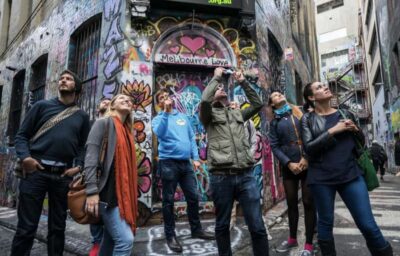
Ultimate Melbourne Walking Tour: History, Laneways & Culture
Read our review →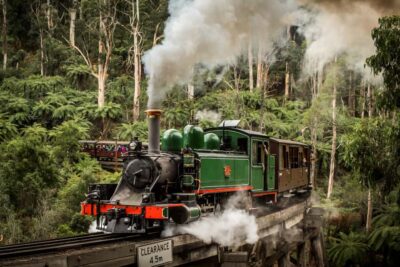
Puffing Billy Railway: Heritage Steam Train Journey
Read our review →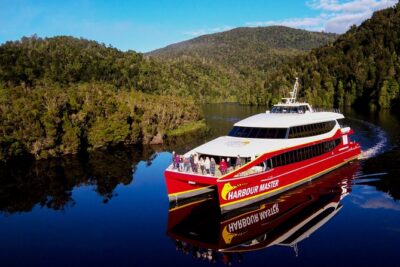
Morning World Heritage Cruise on the Gordon River from Strahan
Read our review →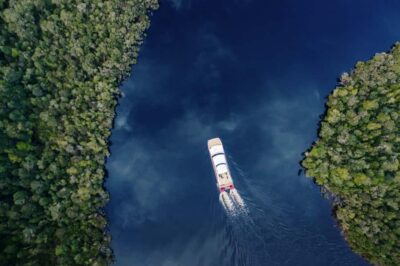
Strahan: World Heritage Cruise on Gordon River with Lunch
Read our review →
Sydney: The Rocks 90-Minute History Walking Tour
Read our review →
Experience History onboard The Mary Valley Rattler
Read our review →
Snorkel & Dive the Reef: Sustainable, Scientific & Cultural Tour
Read our review →
Derwent River Historic Harbour Cruise From Hobart
Read our review →Browse the lists this tour appears in