
Review · AUSTRALIA HISTORY TOURS
Albany: Historic Whaling Station Entry Ticket
The largest surprise here is the scale of the old whale processing factory. This is not a small museum with a few labels and a ship model. You walk through a preserved industrial site, then board Cheynes IV, the world’s only preserved whale chaser ship. The story is impressive, but it is also uncomfortable, which makes the visit more honest and worthwhile.
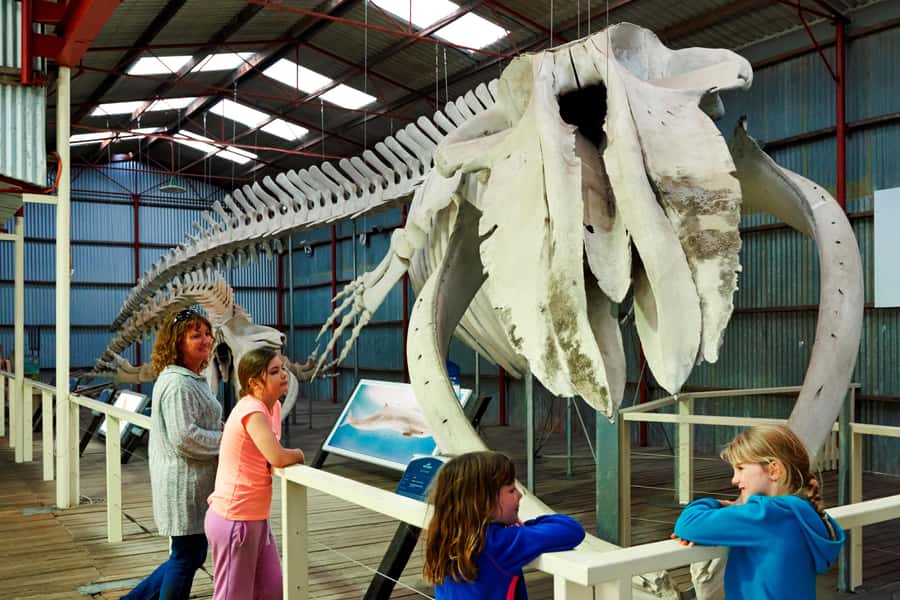
I like the marine skeleton display, especially the giant blue whale, and I like the way the attraction mixes serious exhibits with simple pleasures such as a café, gardens, and free barbecues. A possible drawback is that the site is broad enough to need several hours, so a quick stop will leave much of it unseen.
Key points at a glance
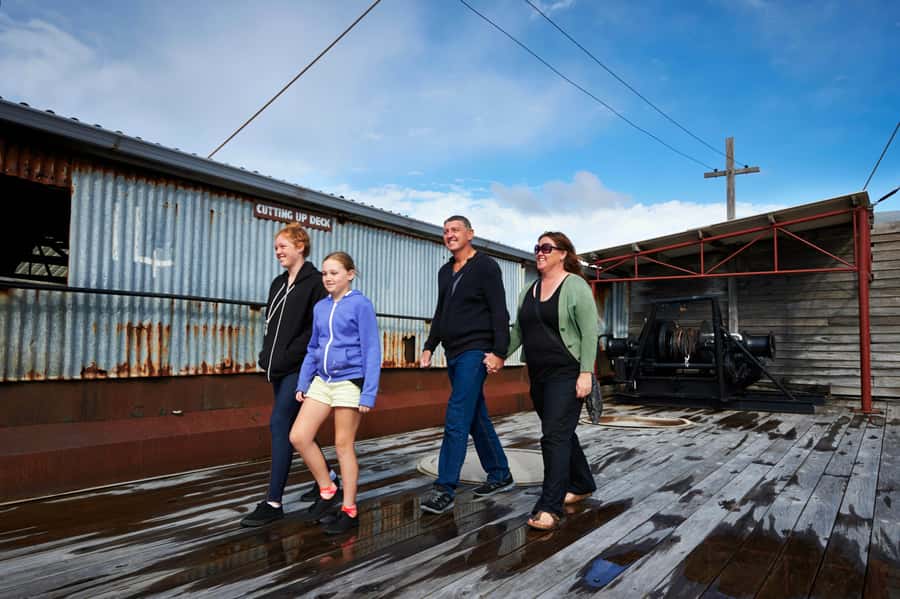
- Walk through a complete whaling station: See the restored factory, former oil tanks, machinery, and working areas.
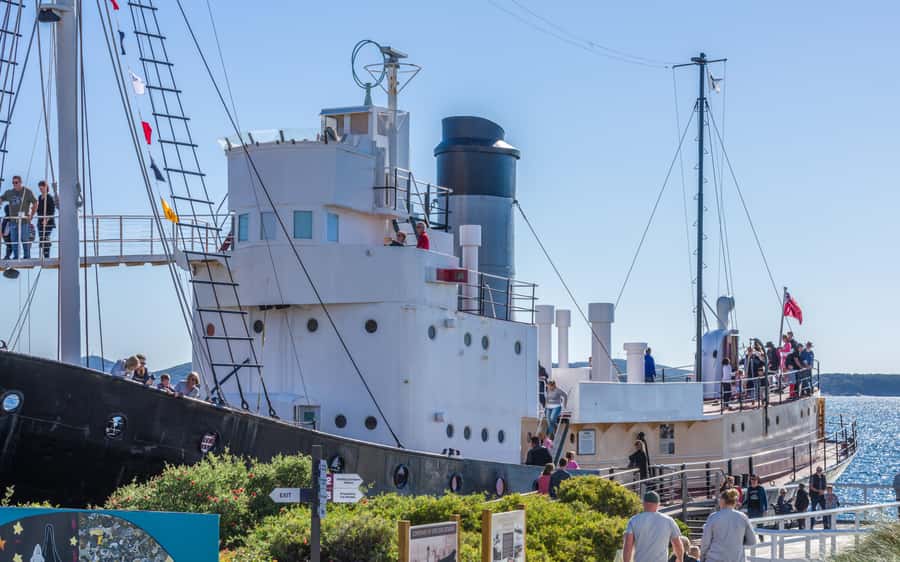
- Board Cheynes IV: Step onto the only preserved whale chaser ship of its kind.
- See a giant blue whale skeleton: The marine display gives you a clear sense of the animal’s enormous size.
- Watch films inside converted oil tanks: The 3D movie adds sound and movement to the industrial setting.
- Add gardens and wildlife: Your ticket also covers the Regional Wildflower Garden and Australian Wildlife Park.
- Plan a full day: The station opens at 9:00 AM, while the gardens and wildlife park open at 10:00 AM.
Entering Albany’s former whaling station
Albany’s Historic Whaling Station sits at 81 Whaling Station Road in Torndirrup, on Western Australia’s south coast. It was the last operating whaling station in Australia, and the site now offers a direct look at an industry that shaped Albany before commercial whaling ended.
I find the setting important. You are not reading about a distant factory in a city museum. You are walking through the place where the work happened. The buildings, tanks, ship, displays, and trails give the story physical weight.
The experience is also carefully presented for a wide age range. Children have open space, animals, gardens, and a ship to explore. Adults get the harder questions about hunting, processing, conservation, and the change in public attitudes toward whales. You will not get a simple feel-good story, and that is one of the attraction’s strengths.
The main station is open from 9:00 AM to 5:00 PM every day except 25 December. The Regional Wildflower Garden and Australian Wildlife Park open from 10:00 AM to 5:00 PM. If you arrive early, begin with the station and add the outdoor areas once they open.
More Entry Tickets in Australia:
- New York City: American Museum of Natural History Ticket
★ 4.5 · 15,447 reviews - Edinburgh: Edinburgh Castle Guided History Tour with Tickets
★ 4.8 · 9,933 reviews - Taormina: Ancient Theater Skip-the-Line Ticket & Audio Guide
★ 4.5 · 2,412 reviews
Inside the restored processing factory
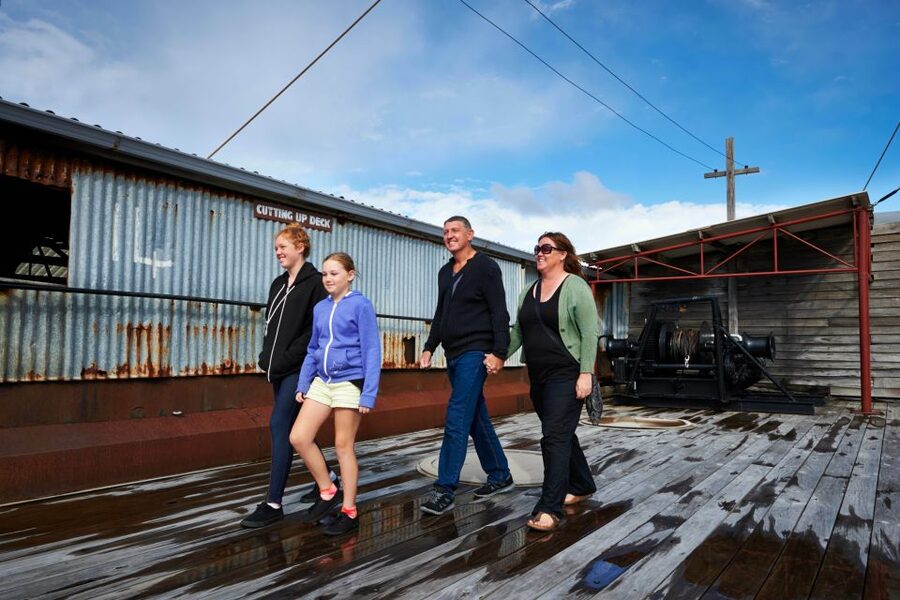
The factory is the heart of the visit. The attraction gives you access to the restored whale processing buildings, where you can follow the path of the old industry through machinery, working areas, artifacts, and explanatory displays.
The sights and sounds matter here. A photograph or plaque cannot fully explain the scale of the operation, but the preserved factory helps you picture the noise, labor, and grim efficiency of the work. You can take your time with the exhibits rather than rushing through a single room.
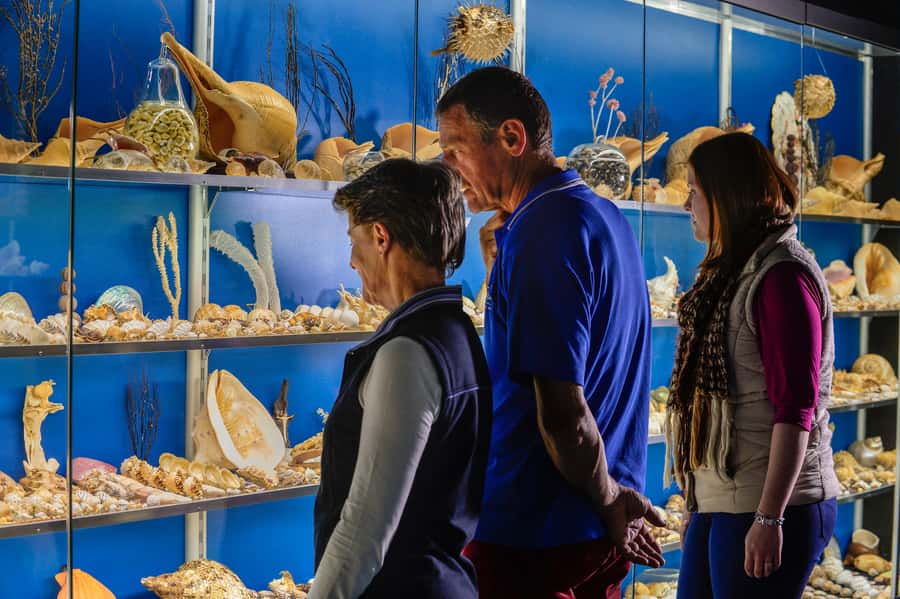
Authentic whaling artifacts and memorabilia fill the museum displays. These objects connect the broad story to daily work: equipment, personal items, industrial tools, and material connected with life at the station. If you like museums that use real objects instead of long walls of text, this section should suit you.
The presentation also avoids pretending that whaling was harmless. The industry brought employment and money to Albany, but it depended on killing enormous marine mammals. One visitor’s reaction to the film and skeletons was a reminder that the attraction can be both fascinating and sad. That mixed response is appropriate. The site explains the past without asking you to celebrate it.
Cheynes IV, the ship that gives the story scale
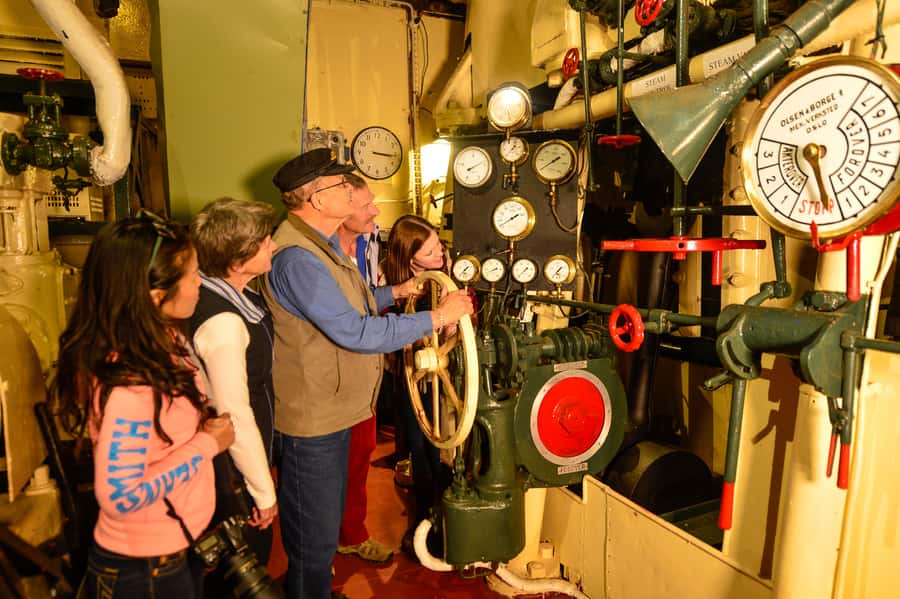
Boarding Cheynes IV is one of the clearest highlights. The vessel is preserved as the world’s only whale chaser ship, and walking through it gives the whaling story a human scale.
On land, factory machinery can feel abstract. On the ship, you can picture the small working environment used by the crew and understand how close the action was to the people involved. The ship adds a strong sense of place to the museum visit.
You should wear comfortable shoes. The site includes factory buildings, ship areas, trails, gardens, and outdoor displays, so a day of walking is likely. Bare feet, smoking, and vaping are not allowed.
The ship is also useful for younger visitors. Even if a child does not read every museum panel, climbing aboard a real vessel gives the visit an immediate focus. Adults can then use the ship as a starting point for the wider story of Albany’s whaling industry.
Skeletons, films, and marine art
The marine skeleton display provides the most striking visual moment. The giant blue whale skeleton makes the animal’s size clear in a way that a written measurement cannot. You see the length and structure of the body, then compare that enormous form with the ship and factory around it.
Another display includes a pygmy whale skeleton. Its size surprised one visitor, which says something about how difficult it is to judge whale dimensions until you see a full skeleton indoors. The collection makes the animals feel real, not just like names in a conservation lesson.
The former whale oil tanks now hold short films. One 3D film is designed to make whales appear close to the viewer, creating a strong sense of motion and scale. It is a good change of pace after the factory and ship, although the effect may be intense for very young children or anyone who dislikes immersive cinema.
You can also see marine animal art and scrimshaw. These displays broaden the subject beyond the factory floor and show how whales and other sea creatures have appeared in art and maritime culture. The result is a visit that covers industry, biology, art, and local identity rather than focusing on only one theme.
More History Tours in Australia:
- Ultimate Melbourne Walking Tour: History, Laneways & Culture
★ 5.0 · 1,451 reviews - Puffing Billy Railway: Heritage Steam Train Journey
★ 4.6 · 1,195 reviews - Morning World Heritage Cruise on the Gordon River from Strahan
★ 5.0 · 1,193 reviews - Strahan: World Heritage Cruise on Gordon River with Lunch
★ 4.8 · 1,143 reviews
The gardens and wildlife park add breathing room
Your entry includes the Regional Wildflower Garden and Australian Wildlife Park, so you are not limited to the indoor exhibits. The garden displays native plants from a biodiverse part of Western Australia, including more than 100,000 species of native plants across the region.
That number describes the wider plant diversity represented in the garden, not a count you should expect to see during one walk. Still, the garden gives you a useful outdoor counterpoint to the factory. After the heavy subject of whaling, a walk among native plants changes the pace.
The Australian Wildlife Park contains a friendly collection of native animals. The information provided does not specify every species, so I would treat this as an added attraction rather than plan the whole day around a particular animal.
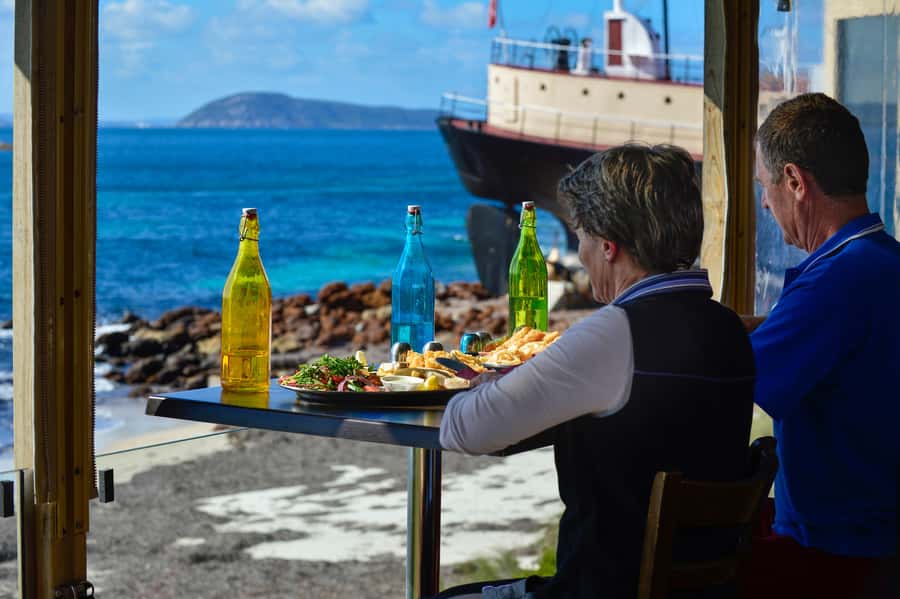
Families can use the free on-site barbecues and picnic area. This is a real value point. A $25 ticket can cover a long visit, and the picnic facilities make it easier to pause rather than pay for a full restaurant meal. You can also relax at the café overlooking one of Albany’s picturesque bays. A morning coffee and scone can make a pleasant start, especially if you want a lighter break before the main exhibits.
How much time should you allow?
The ticket is valid for one day from first activation. That matters because the attraction combines several separate parts:
- The historic station and factory
- Cheynes IV
- The marine skeleton and art displays
- Films in the converted oil tanks
- The Regional Wildflower Garden
- The Australian Wildlife Park
- The café, picnic area, and barbecue facilities
You can see the main factory and ship in a shorter visit, but the full ticket makes more sense when you give yourself most of the day. Start after 9:00 AM for the station, then move outdoors after 10:00 AM. This order lets you use the opening hour for the central exhibits and leaves the gardens and wildlife park for later.
The pace is up to you. One account of the experience praised a relaxed morning pace and said the time passed quickly. That is useful guidance: you do not need to hurry from room to room. The site works best when you stop to read, watch the films, inspect the objects, and look closely at the industrial remains.
If you only have a limited window in Albany, choose the factory, Cheynes IV, and skeleton display first. Add the films if they are running during your visit, then use any remaining time for the gardens and wildlife park.
Price, value, and what the ticket covers
At $25 per person, the ticket is reasonably priced for a full day. You are paying for more than entry to one museum room. The price includes all exhibitions at the Historic Whaling Station, the Regional Wildflower Garden, and the Australian Wildlife Park.
The value is strongest for families and anyone who enjoys a flexible day out. Free barbecues and a picnic area reduce the cost of staying for several hours. The café gives you another option, though food and drinks are not listed as included.
For a history-focused visitor, the preserved factory and ship justify much of the fee by themselves. For families, the animal park, outdoor space, and ship make it easier to keep different ages interested. For a visitor mainly seeking scenic views, this is less direct value, since the core experience is a museum and industrial site rather than a dedicated sightseeing cruise or nature tour.
The 4.8 rating from 24 bookings matches the attraction’s strongest qualities: clear presentation, a well-kept site, an engaging film, and a relaxed pace. One visitor specifically praised the presentation and upkeep. Another found the 3D film memorable and the skeletons surprisingly large. Those details help set expectations better than a simple list of exhibits.
Practical details before you go
The meeting point is 81 Whaling Station Road, Torndirrup WA 6330. The host or greeter speaks English, and the attraction is wheelchair accessible.
Wear comfortable shoes. You will be moving between buildings and outdoor areas, and the station is best treated as a walking visit. Smoking and vaping are not allowed, and you cannot enter barefoot.
The site is open seven days a week, closing only on 25 December. The main station runs from 9:00 AM to 5:00 PM. The Regional Wildflower Garden and Australian Wildlife Park run from 10:00 AM to 5:00 PM.
You can cancel up to 24 hours before the visit for a full refund. A reserve-now, pay-later option is also available, which helps if your south coast plans may change. These policies are useful, but the bigger planning point is the opening schedule: arrive at the right time if you want to use every part of the ticket.
Who will enjoy this most?
I would recommend this experience to anyone interested in Albany’s past, maritime work, marine animals, or industrial museums. It also suits families who want one ticket to cover exhibits, a ship, wildlife, gardens, and a picnic area.
It is a particularly good choice if you prefer self-guided exploration. You can set your own pace, stop for a film, eat at the café, or take a break outdoors. English-language assistance is available, but the supplied details do not describe a fixed guided walking tour or a required group schedule.
The subject may be difficult for some people. The displays show the reality of commercial whaling, and the story includes animal death. If you want only light entertainment, this may feel heavy. If you value an honest museum that explains an uncomfortable part of local history, the seriousness adds value.
Should you book Albany’s Historic Whaling Station?
Book it if you want a full day built around a real place, not just a quick photo stop. The restored factory, Cheynes IV, giant blue whale skeleton, oil-tank films, gardens, wildlife park, and picnic facilities give you plenty to see for $25.
Allow several hours, wear good shoes, and begin with the station before adding the outdoor areas. I would especially choose this for families, museum fans, and anyone curious about how Albany’s whaling past shaped the town. Skip it only if you have very little time or would rather spend the day entirely in nature.
FAQ
Where is Albany’s Historic Whaling Station?
It is located at 81 Whaling Station Road, Torndirrup WA 6330, Australia.
How much does entry cost?
The entry price is $25 per person.
How long is the ticket valid?
The ticket is valid for one day from first activation.
What does the ticket include?
It includes access to all Historic Whaling Station exhibitions, the Regional Wildflower Garden, and the Australian Wildlife Park.
Can I see Cheynes IV?
Yes. Entry includes access to Cheynes IV, the world’s only preserved whale chaser ship.
Is the attraction wheelchair accessible?
Yes, the attraction is wheelchair accessible.
What are the opening hours?
The Historic Whaling Station is open daily from 9:00 AM to 5:00 PM. The Regional Wildflower Garden and Australian Wildlife Park are open daily from 10:00 AM to 5:00 PM.
Is the site open every day?
Yes. It is open seven days a week, except 25 December.
Are food and picnic facilities available?
Yes. The site has a café, free on-site barbecues, and a picnic area.
Can I cancel my booking?
Yes. You can cancel up to 24 hours in advance for a full refund. A reserve-now, pay-later option is also available.
Newest history tours we have reviewed in Australia
- A Barossa Valley pickup: Wine and Heritage Tour, Local Guide★ 4.9 · 20 reviews
- Hobart: Historic Lunch Cruise★ 4.6 · 271 reviews
- Tasman Peninsula Tour, Cruise & Port Arthur Historic Site★ 4.9 · 339 reviews
- Ultimate Melbourne Walking Tour: History, Laneways & Culture★ 4.8 · 338 reviews
- Discover Perth Walking Tour: History, Art, Local Insights + More!★ 5.0 · 458 reviews
- Tasman Island Cruises and Port Arthur Historic Site Day Tour from Hobart★ 5.0 · 477 reviews
- From Perth: Wave Rock, York and Aboriginal Cultural Tour★ 4.6 · 498 reviews
- Port Arthur Historic Site Admission and Tour Options★ 4.8 · 509 reviews
Australia History Tours, compared.
Ultimate Melbourne Walking Tour: History, Laneways & Culture
Read our review →
Puffing Billy Railway: Heritage Steam Train Journey
Read our review →
Morning World Heritage Cruise on the Gordon River from Strahan
Read our review →
Strahan: World Heritage Cruise on Gordon River with Lunch
Read our review →
Sydney: The Rocks 90-Minute History Walking Tour
Read our review →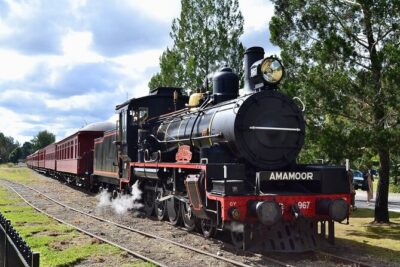
Experience History onboard The Mary Valley Rattler
Read our review →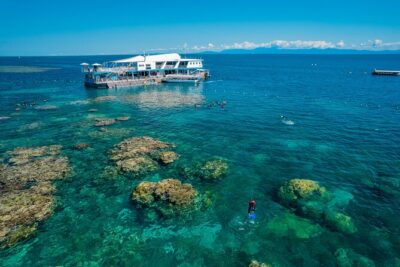
Snorkel & Dive the Reef: Sustainable, Scientific & Cultural Tour
Read our review →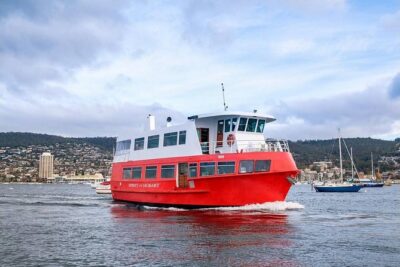
Derwent River Historic Harbour Cruise From Hobart
Read our review →Browse the lists this tour appears in