
Review · SAVANNAH HISTORY TOURS
Savannah: African American History Tour
Savannah’s handsome squares and riverfront warehouses tell only half the story. This three-hour tour brings forward the African American experience that helped build the city, from people forced from West Africa to the labor, faith, resistance, and survival that shaped Savannah. Sister Pat is often the guide, and her delivery is direct, personal, and emotionally powerful.
I like the way the tour connects familiar places to uncomfortable facts, especially the cotton warehouses on River Street and the auction history tied to Johnson Square. I also like that it includes Second African Baptist Church, the Green-Meldrim House, and other landmarks rather than treating slavery as a subject separate from the city itself.
The main drawback is its format. You ride between locations, but you may stand for long stretches at each stop, and one account describes the walking portion as only about half a mile. This is not a good fit if you have trouble standing or walking.
Key points at a glance
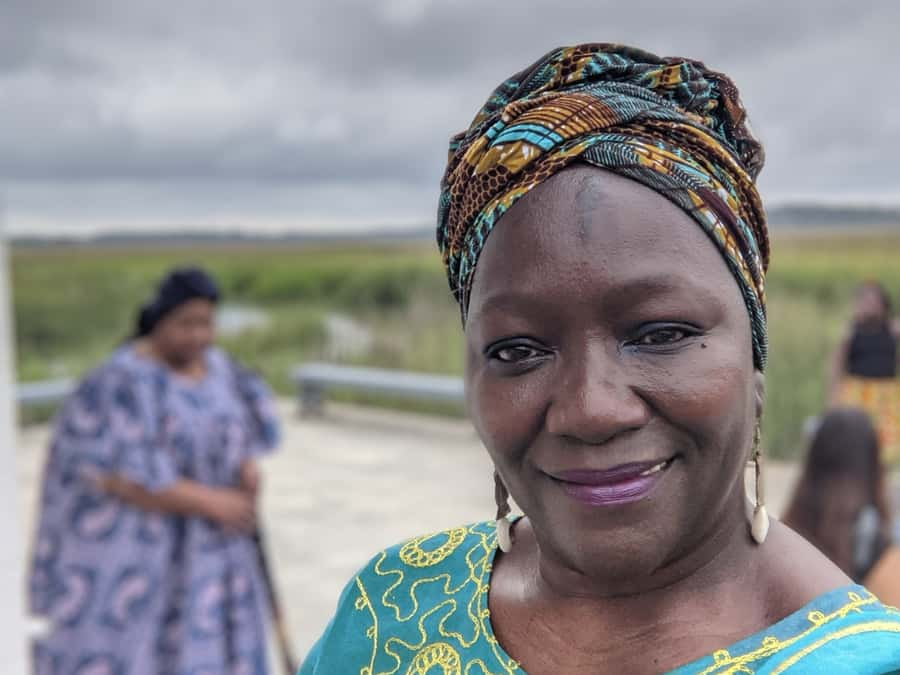
- Sister Pat’s storytelling: Expect a guide who uses vivid stories, music, images, and a short performance to make difficult history feel immediate.
- River Street’s working past: Learn how enslaved labor helped build warehouses and support the cotton trade shipped to the United Kingdom.
- Johnson Square and auctions: Hear about the sale of enslaved people in one of Savannah’s central public spaces.
- Faith and survival: Visit or see landmarks including Second African Baptist Church, with attention to African American religious life.
- Bus plus short walks: The tour covers several parts of historic Savannah without requiring a long walking route.
- A serious three hours: This is an educational history experience, not a light sightseeing loop.
Savannah’s familiar streets, seen from another angle
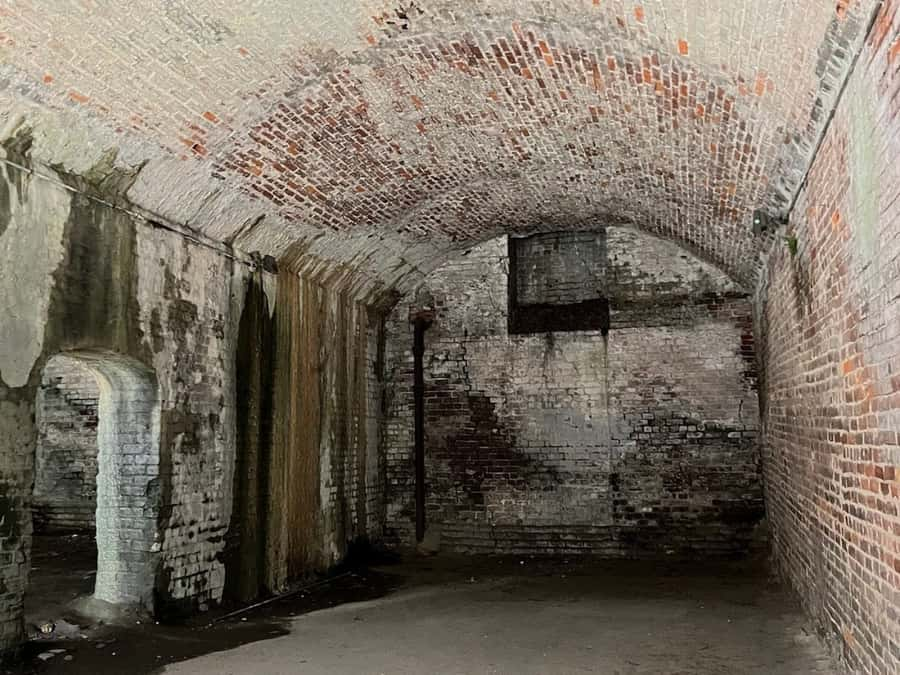
The best reason to take this tour is simple: it changes how you read Savannah. Afterward, River Street is no longer just a pretty waterfront lined with shops and restaurants. The squares are not merely green pauses between historic homes. Bricks, ironwork, churches, warehouses, and grand houses carry connections to forced labor, cotton, trade, faith, and Black community life.
You begin with the African origins of the people brought to the Georgia coast. The tour places Savannah’s story within the wider history of West African tribes disrupted by the slave trade. From there, it follows the brutal system that transported people, separated families, and forced their labor into the city’s economy.
I appreciate that this approach does not reduce African American history to a single period. You hear about slavery and auctions, but also about contribution, survival, spiritual life, freedom, and the descendants who continued shaping Savannah. That wider frame gives the tour more purpose than a simple list of old buildings.
The subject matter is hard. Stories about families torn apart and people sold for profit are not softened for comfort. Bring an open mind and allow time afterward to think about what you have heard.
More History Tours in Savannah:
- Savannah History and Haunts Candlelit Ghost Walking Tour
★ 5.0 · 3,235 reviews - Historic Savannah Guided Walking Tour
★ 5.0 · 2,918 reviews - Narrated Historic Savannah Sightseeing Trolley Tour
★ 4.5 · 2,375 reviews
River Street and the labor behind the warehouses
River Street is one of the clearest places to understand Savannah’s connection to slavery and the cotton economy. The tour explains how enslaved labor helped build the warehouses along the waterfront, where cotton was stored and prepared for shipment.
You will hear about cotton being sent to the United Kingdom and about storage spaces that resemble old slaveholding bins. The point is not just to identify a building. It is to connect architecture and commerce to the people whose labor made that commerce possible.
This stop works well because the setting is so familiar. You may have walked along River Street focused on the river view, old brick, and restaurants. The tour asks you to look again at the practical structures around you and consider who built them, who profited from them, and who was denied the wealth they produced.
The bus helps here. Savannah’s historic district has many sites spread across several squares, and moving between them saves your legs for the parts where the guide speaks. You still need comfortable shoes, but this is not a long-distance walking tour.
Johnson Square and the reality of public auctions
Johnson Square carries a different weight. The tour describes how enslaved people were auctioned there, bringing the buying and selling of human beings into a central civic space rather than hiding it away from public life.
That detail can be difficult to absorb because the square is now a peaceful urban space. The contrast is part of the lesson. Savannah’s beauty does not erase what happened here, and a quiet park can still be tied to painful events.
The guide also explains that not every enslaved person passed through a public auction. Some went directly to plantations, which meant they were not counted in the same way and did not generate the same tax records. This helps you understand why historical numbers can be incomplete and why the absence of a record does not mean the absence of a person.
I find this kind of detail especially useful. It moves the tour beyond general statements about slavery and shows how government records, wealth, taxation, and private sales supported the system.
Squares, churches, and the people behind the landmarks
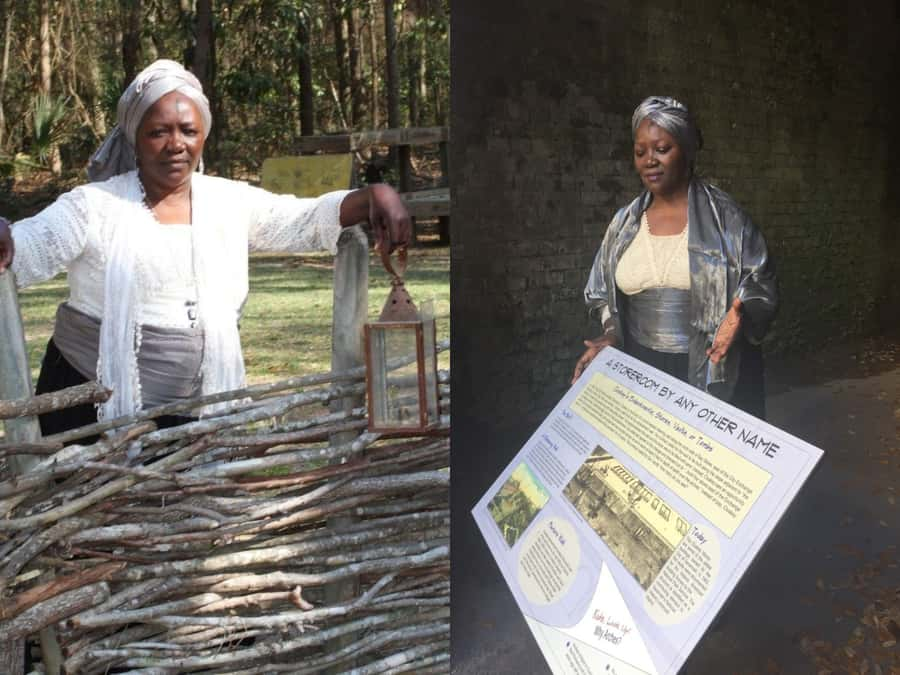
Taylor Square, Franklin Square, and Johnson Square form part of the route. Each gives the guide another setting for explaining Savannah’s African American past and the city’s growth.
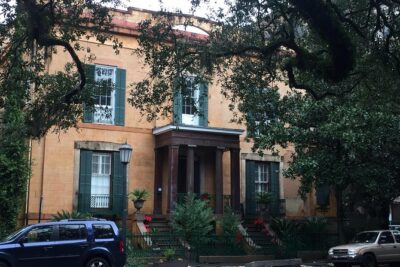
The Green-Meldrim House adds a connection to the grand architecture of the historic district. You learn to see such properties not only as elegant homes, but also within an economy shaped by enslaved labor and the fortunes built from it.
Second African Baptist Church brings the focus toward community and faith. The church is listed among the main landmarks, and the tour uses it to show how African American religious life helped preserve identity and offer strength under conditions designed to strip people of family, freedom, and control over their own lives.
Accounts of the experience also point to a cemetery stop, where the guide discusses African American history through burial grounds and remembrance. The exact flow can vary, so you should confirm the day’s route if a particular church or cemetery visit matters most to you.
One practical point: this experience includes more standing than its short walking distance suggests. You may spend extended periods listening at each location. If you prefer a tour where you keep moving, this pace may feel slow. If you want time for explanation and questions, the pauses are useful.
Same streets, a different century:
- Southern Flavors Food, Pub Crawl, and History Walking Tour
★ 4.5 · 1,623 reviews - Genteel and Bard’s Savannah Dark History and Ghost Encounter Walking Tour
★ 5.0 · 1,546 reviews - 60-Minute Guided Segway History Tour of Savannah
★ 5.0 · 1,163 reviews - Savannah: Old Savannah Tours Historic Overview
★ 4.6 · 874 reviews
Sister Pat’s way of telling the story
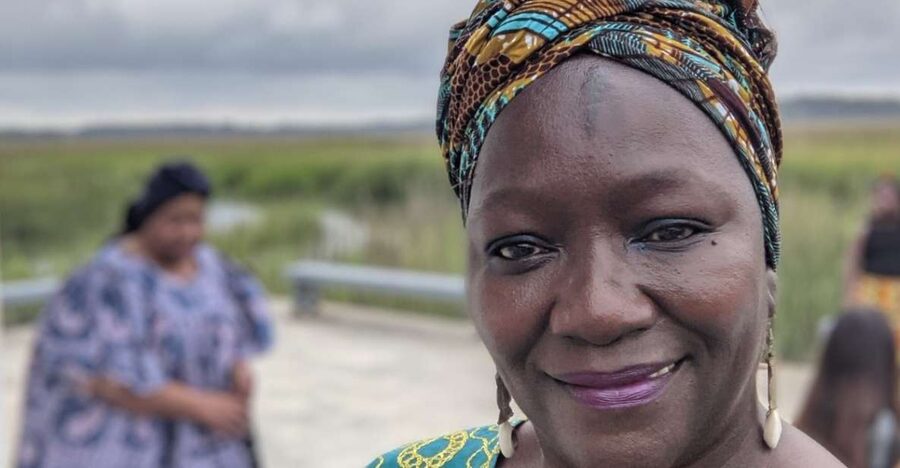
Sister Pat receives the strongest praise for this experience, and it is easy to see why from the descriptions of her approach. She is not presented as someone who simply reads dates from a script. She speaks with conviction, uses vivid explanations, and links the past to questions about truth, memory, and healing.
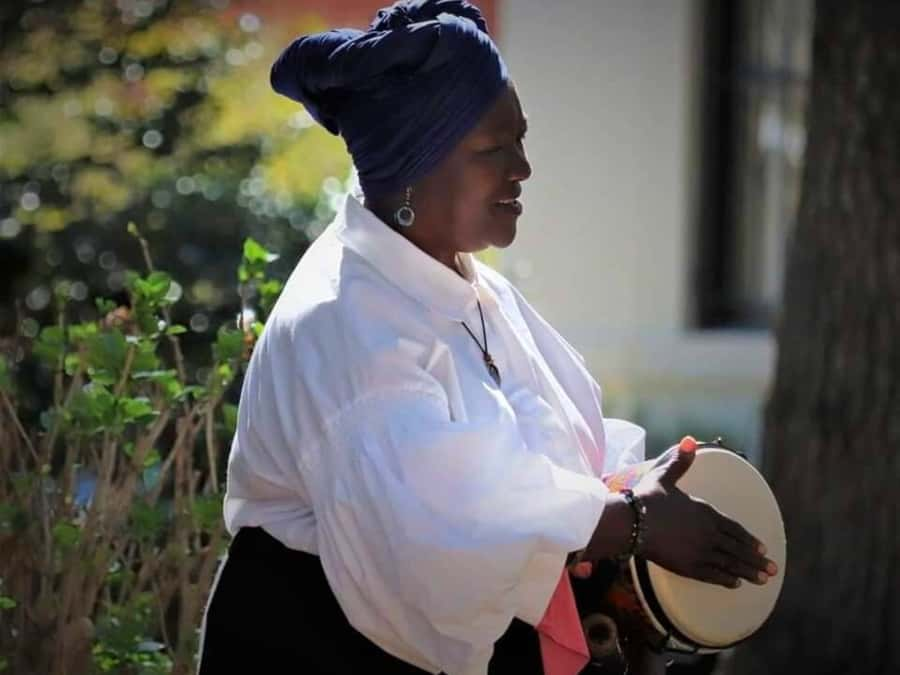
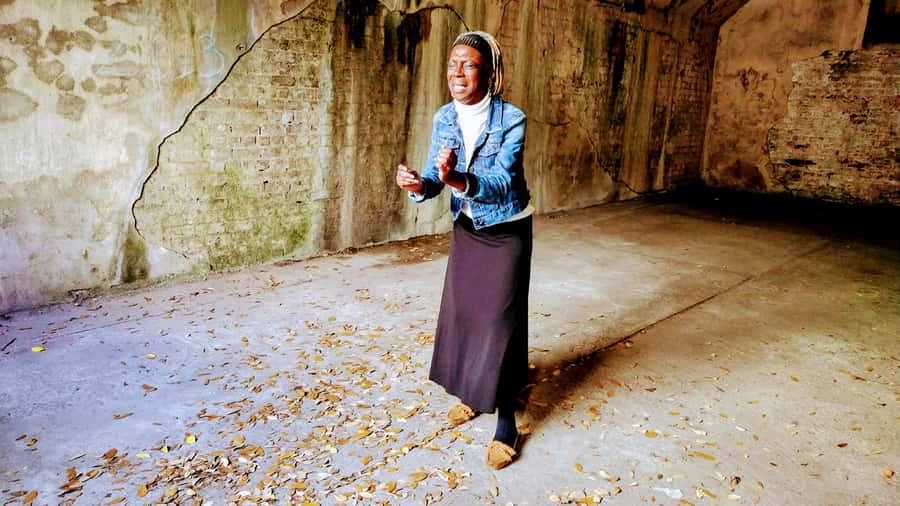
Her presentation may include music, photographs, costumes, and a short performance. These touches give the tour a more personal shape, though you should not expect a theatrical show throughout the three hours. The main focus remains historical interpretation.
Sister Roz is also connected with the presentation and is described as helping the audience feel the human cost of families being separated. Albert, a driver praised for his calm and professional service, may handle the vehicle on some departures. Other guide names, including Ms. Gunn, appear in the tour’s feedback, so the exact team can vary.
That variation matters. Much of this experience depends on the person leading it. The repeated praise centers on clarity, passion, warmth, and the ability to make complex events understandable. A less expressive guide could change the tone, but the tour’s emphasis on live narration gives you a real person to engage with rather than an audio recording.
What the tour adds to other Savannah sightseeing
Savannah has many tours built around architecture, ghosts, food, and famous residents. Those can help you get oriented, but they may leave gaps in the city’s African American story. This tour is designed to fill those gaps.
It explains how enslaved people contributed to Savannah’s construction, port activity, cotton trade, and economic growth. It also discusses the long-term effects of slavery, including how banks, insurance, port interests, and other institutions benefited from the system. The result is a wider look at wealth and power than you usually get from a standard historic-district loop.
I especially value the attention to African and Gullah influences. The tour connects symbols in brick and ironwork to Gullah culture, giving you something specific to look for as you continue walking around town.
The experience also encourages you to keep studying after you leave. You may find that familiar buildings look different and that you want to read more about emancipation, local churches, cemetery traditions, or the Civil Rights era. Note that this tour focuses mainly on slavery through freedom and the broader African American experience. It is not advertised as a dedicated Civil Rights Movement tour.
The $68 price and what you receive
At $68 per person, this is not the cheapest way to see Savannah. The value depends on what you want from a tour.
You are paying for three hours, bus transportation, a live English-speaking guide, and a route that joins several parts of the historic city. You also receive interpretation that is more focused than a general sightseeing ride. If your priority is simply to pass landmarks and hear a few quick facts, a cheaper city tour may suit you better.
If you want serious attention to slavery, the cotton trade, African American faith, public auctions, and the lasting effects of forced labor, the price is easier to justify. The guide’s storytelling is the heart of the experience, and the strongest accounts describe it as memorable, moving, and full of information that other tours leave out.
I would schedule this early in your Savannah visit if African American history is a major reason for your trip. The tour can give meaning to places you later explore on foot. You may also prefer to take it when you have a quiet evening afterward, since the subject matter is emotionally demanding.
The booking terms are helpful for planning. You can reserve now and pay later, and cancellation is free up to 24 hours in advance for a full refund. Check the available starting times before committing, since the tour lasts three hours.
Who should take this tour
This is a strong choice for you if you:
- Want Savannah’s history told through African American experiences, not as a side note
- Prefer a guide with a personal, expressive presentation
- Are comfortable hearing upsetting details about slavery, auctions, and family separation
- Want bus transportation with short walking sections
- Enjoy connecting landmarks to larger questions about wealth, memory, and justice
- Are visiting with older children or teenagers who can engage with difficult history
It may not suit you if you want a light, entertaining overview of Savannah, dislike long talks at individual stops, or have a mobility impairment. The activity is specifically listed as unsuitable for people with mobility impairments, and the standing time can be significant even though the walking distance is short.
Wear comfortable clothes and shoes. Bring water, sunscreen, sunglasses, and clothing suited to the weather. Alcohol and drugs are not allowed.
How to get the most from the three hours
Read a little about Savannah’s squares and River Street before you go, but do not worry about memorizing dates. The guide’s job is to connect the places for you.
Listen for the links between labor and buildings, cotton and shipping, public squares and auctions, and churches and community survival. Those connections are where the tour offers the most value.
Take note of landmarks you want to revisit. After the bus tour, you can walk through the squares again with a different eye. Look at the ironwork and brick details discussed during the tour, and give yourself time at any cemetery or church stop included that day.
Finally, leave room for questions. The tour’s strongest quality is its willingness to address uncomfortable truths rather than rush past them. You will get more from it if you treat it as a serious conversation with places attached.
Should you book the Savannah African American History Tour?
Book it if you want a direct, place-based account of how enslaved Africans and their descendants shaped Savannah. The combination of River Street, Johnson Square, historic churches, the Green-Meldrim House, and Sister Pat’s forceful storytelling gives the city a fuller meaning.
Do not book it expecting a fast-moving sightseeing ride or a purely chronological lecture. You may stand for long periods, and the material can be painful. Still, at $68, the tour offers good value for anyone seeking history that goes beyond polished facades and famous names. Bring water, wear good shoes, and arrive ready to listen.
FAQ
How long is the Savannah African American History Tour?
The tour lasts three hours.
How much does the tour cost?
The listed price is $68 per person.
What language is the tour conducted in?
The live tour guide and narration are in English.
Does the tour include transportation?
Yes. The experience includes a bus tour, a tour guide, and live narration.
Which Savannah landmarks are included?
The route includes River Street, Taylor Square, Franklin Square, Johnson Square, the Green-Meldrim House, and Second African Baptist Church.
Will the tour discuss slavery and slave auctions?
Yes. The tour covers the journey from West Africa to slavery and freedom, including enslaved labor, the cotton trade, and auctions in Johnson Square.
Who commonly leads the tour?
Sister Pat is identified as a principal guide, and Sister Roz is associated with parts of the presentation. Other guide names, including Ms. Gunn, may appear on different departures.
What should I bring?
Bring comfortable shoes, sunglasses, sunscreen, water, comfortable clothes, and clothing suitable for the weather.
Is the tour suitable for people with mobility impairments?
No. The activity is listed as unsuitable for people with mobility impairments. You may also spend long periods standing at stops.
Newest history tours we have reviewed in Savannah
- Savannah: Historic District Guided Bike Tour★ 4.8 · 47 reviews
- Savannah: Historical Panoramic City Tour★ 4.8 · 72 reviews
- Savannah: Historical Pub Crawl Tour with Drinks Included★ 3.9 · 34 reviews
- Savannah: History and Culture Walking Tour★ 4.6 · 149 reviews
- Savannah: Battles & Brews Civil War History Pub Crawl★ 4.4 · 36 reviews
- Savannah: Historical Bike Tour with Tour Guide★ 4.8 · 140 reviews
- Savannah: History, Culture, & Scenic Views E-Bike Tour★ 5.0 · 69 reviews
- History of Savannah Walking Tour★ 5.0 · 19 reviews
Savannah History Tours, compared.
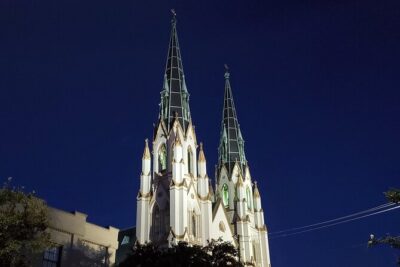
Savannah History and Haunts Candlelit Ghost Walking Tour
Read our review →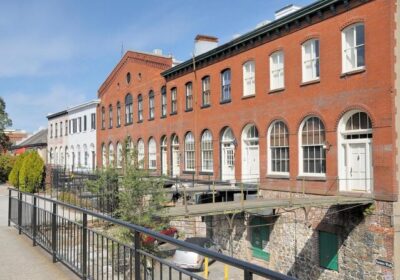
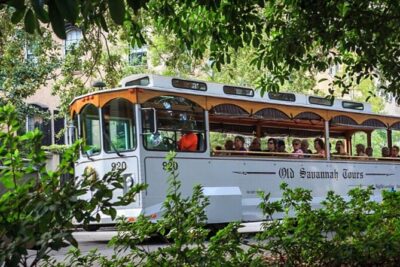
Narrated Historic Savannah Sightseeing Trolley Tour
Read our review →
Southern Flavors Food, Pub Crawl, and History Walking Tour
Read our review →
Genteel and Bard’s Savannah Dark History and Ghost Encounter Walking Tour
Read our review →
60-Minute Guided Segway History Tour of Savannah
Read our review →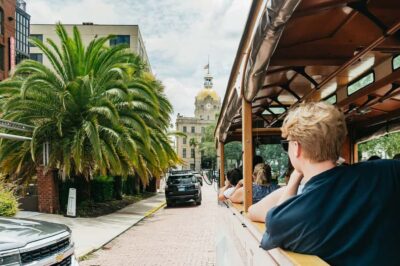
Browse the lists this tour appears in