
Review · NETHERLANDS HISTORY TOURS
Rotterdam: Maritime Museum and historic museum harbor ticket
Rotterdam’s Maritime Museum brings the city’s port story down to human scale. You can move from modern exhibits about offshore energy and port growth to an outdoor harbor filled with historic ships and cranes, many kept in working condition. I like that the experience is not confined to glass cases. You get to see maritime machinery where it belongs, beside the water.
I especially like the mix of serious port history and hands-on elements in the workshop, where maritime crafts come into view. The location is another strength: Leuvehaven sits in central Rotterdam, with metro, tram, bus, and water taxi connections. The main drawback is that the inner-harbor cruise is not included, and children’s exhibit Plons! requires a free time-slot booking.
Key points to know before you go
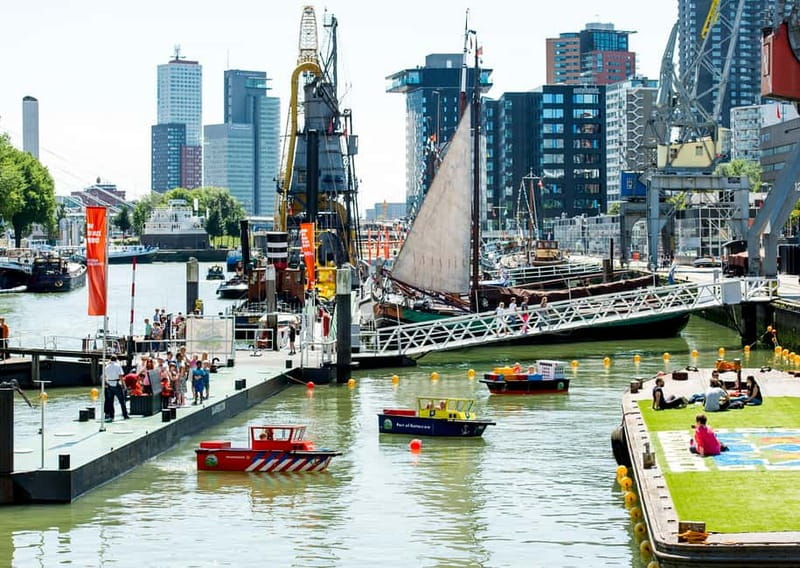
- Historic harbor outside: Walk among old ships and cranes in one of the Netherlands’ oldest and largest museum harbors.
- Modern port exhibits: Learn how Rotterdam grew into one of Europe’s largest ports through exhibits such as Destination Port City.
- Offshore energy focus: The Offshore Experience puts energy, industry, and the future of the sea at the center.
- Workshop access: See maritime crafts and the work needed to keep historic equipment operating.
- Extra planning required: Ask at the ticket counter about the inner-harbor cruise and reserve a time for Plons!
- Central Rotterdam setting: Reach Leuvehaven easily from Beurs by metro or tram, or arrive by bus and water taxi.
Start at Leuvehaven, where Rotterdam’s port story is close at hand
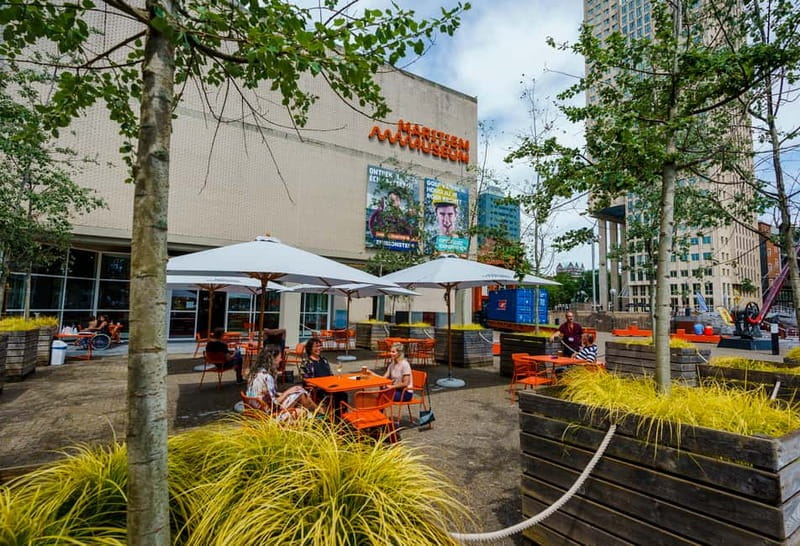
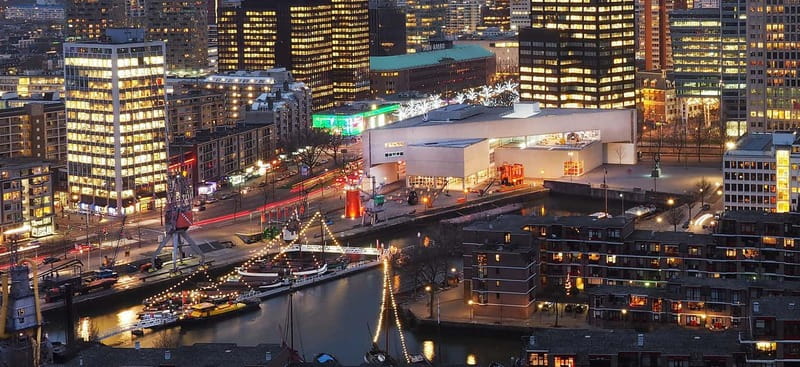
The museum address is Leuvehaven 1, 3011 EA Rotterdam, right in the city center. I find this location useful because you do not need to plan a separate trip out to an industrial port district. The maritime story begins in the middle of the city, where the old harbor setting connects naturally with Rotterdam’s modern identity.
From Beurs, you can take the metro or trams 8, 23, or 25. Bus 32 stops at Westblaak, and the water taxi can take you to Leuvehaven. That range of choices matters on a short city break. You can fit the museum between other central sights instead of losing time on a long transfer.
Allow the full day if you want to see the indoor displays, walk through the harbor, visit the workshop, and take part in activities. You can probably see selected sections in less time, but rushing would weaken the experience. The museum covers a broad subject, from historic vessels to offshore energy and the future of the sea.
Check opening hours before setting out. The museum is closed on Mondays, New Year’s Day, during the Rotterdam Marathon, on King’s Day, and at Christmas. One booking problem reported a visitor arriving at 17:05 after the voucher showed incorrect hours, only to find the museum closed. I would confirm the current hours directly before you go and avoid leaving this visit until late afternoon.
More Museum and Gallery History Tours in the Netherlands:
- New York City: American Museum of Natural History Ticket
★ 4.5 · 15,447 reviews - Paris: Louvre Museum Entry with History of Mona Lisa
★ 3.9 · 2,823 reviews - Venice’s Best: Basilica, Doge’s Palace, Gondola & History Gallery
★ 4.5 · 2,478 reviews
Inside the museum, Rotterdam’s port becomes a human story
The indoor galleries explain how Rotterdam developed into one of Europe’s biggest ports. This is more useful than simply looking at old boats because it gives you the economic and technical setting behind the city you see today.
Destination Port City focuses on Rotterdam’s growth. You can use it as a starting point, especially if you are unfamiliar with the scale of the port. The exhibit helps connect the city’s position, shipping activity, and industrial development. The subject is large, but the museum presents it through modern exhibitions designed for different ages.
The museum’s collection includes prize-winning objects and maritime displays. The supplied information does not list every gallery or object, so I would not plan your visit around a fixed checklist. Instead, give yourself time to follow the themes that interest you most. You might prefer ship technology, port development, working life, or the future of energy.
This broad approach makes the museum suitable for mixed groups. One person can focus on engineering and port history, while another can spend more time with family activities or the outdoor vessels. The trade-off is that visitors seeking one narrowly defined historic collection may find the range of subjects less focused.
Offshore Experience looks at energy beyond the harbor
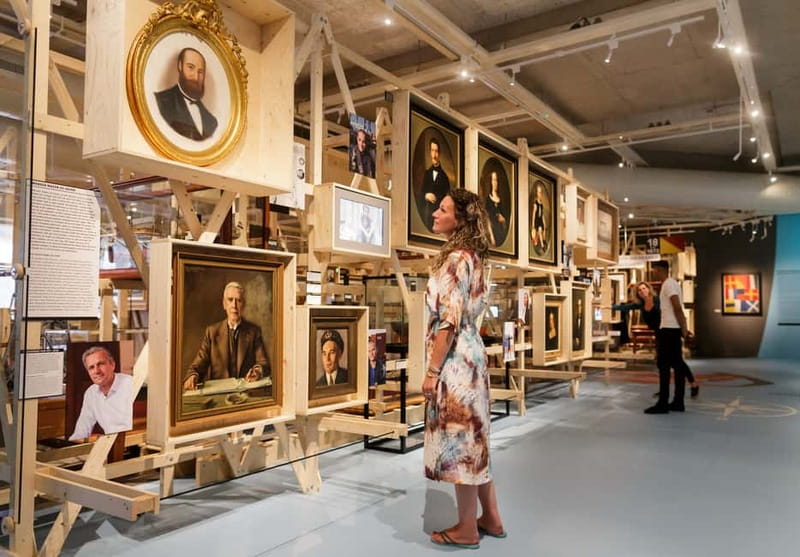
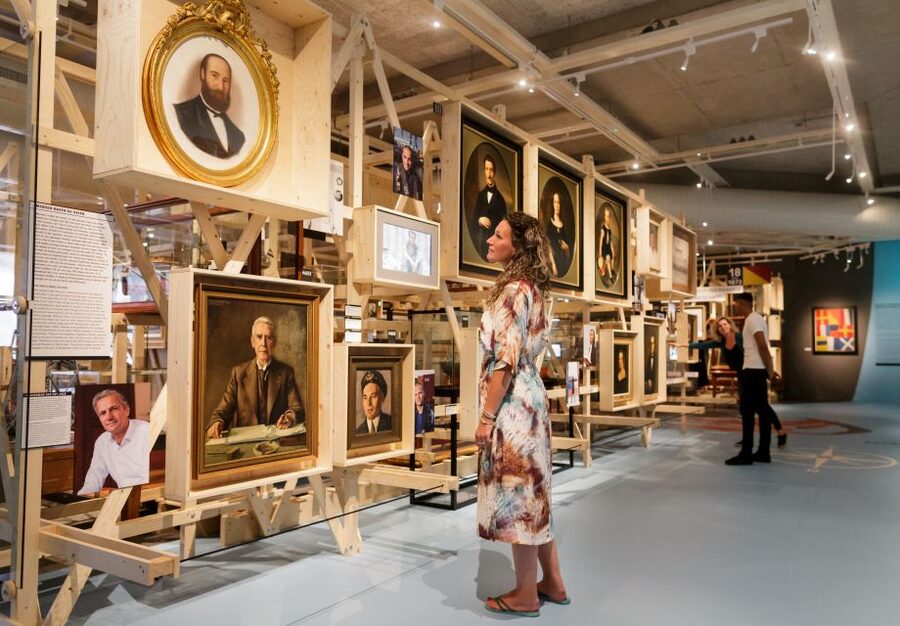
The Offshore Experience presents a challenging search for energy. It shifts the focus from traditional shipping to the offshore world and the questions facing modern industry.
That change of subject is important. Rotterdam’s maritime identity is not only about sailing ships and cargo cranes. It also involves energy, engineering, and decisions about how the sea can help meet future needs. The exhibit connects the port’s working past with current questions about energy use and supply.
I would place this gallery before or after the outdoor harbor, depending on your interests. Seeing the older cranes and vessels first gives you a strong sense of how port work changed over time. Starting indoors may give younger visitors a clearer framework before they encounter the machinery outside.
The word challenging is part of the experience description, so expect more than a passive display. The exact activities and format can change, but the purpose is clear: you are asked to think about finding and using energy offshore. This section should appeal to anyone interested in technology, industry, or the practical choices behind the energy transition.
The outdoor museum harbor is the real anchor
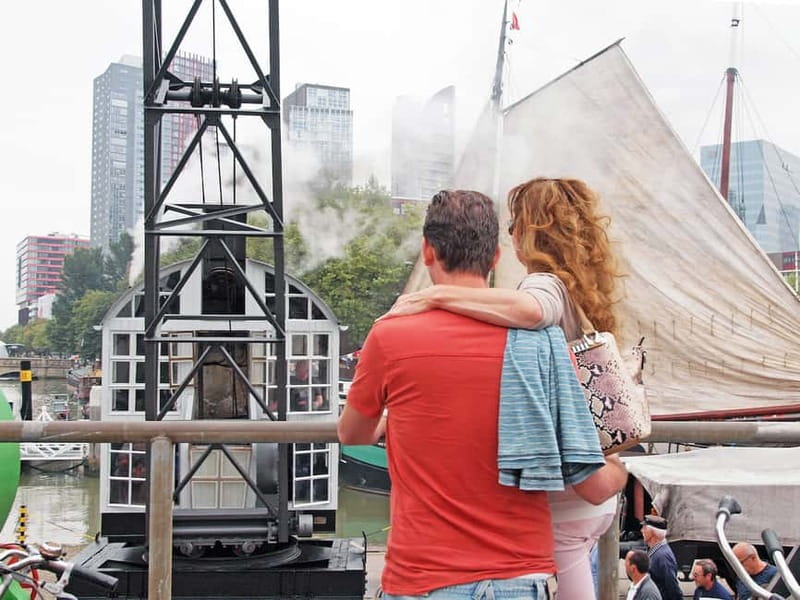
The museum harbor is the part I would protect time for. It is described as one of the oldest and largest museum harbors in the Netherlands, and it lets you see historic ships and cranes outside rather than only through photographs or display cases.
The setting gives the machinery room to make sense. An old crane is easier to understand when you can see its position beside the water. A historic vessel feels less like a preserved object and more like part of a working port when it remains in the harbor. The museum maintains the historic ships and cranes in working condition, and that practical care adds meaning to the visit.
You can explore the vessels and harbor equipment at your own pace. The information provided does not specify which ships are open inside or how many can be boarded on a given day, so access may vary. Ask the museum staff what is open when you arrive, particularly if a certain vessel is important to you.
The outdoor section also gives you a useful break from galleries. You can move at an easier pace, look across the harbor, and compare old port technology with Rotterdam’s present-day city surroundings. Bring suitable clothing for changing weather because this part is outside. The museum’s rules also prohibit umbrellas, so plan accordingly and check the current policy before packing.
More Entry Tickets in the Netherlands:
- Rotterdam: Kinderdijk UNESCO World Heritage Entry Ticket
★ 4.6 · 1,477 reviews - Edinburgh: Edinburgh Castle Guided History Tour with Tickets
★ 4.8 · 9,933 reviews - Taormina: Ancient Theater Skip-the-Line Ticket & Audio Guide
★ 4.5 · 2,412 reviews - Historic Milan Tour with Skip-the-Line Last Supper Ticket
★ 4.5 · 1,976 reviews
See maritime crafts in the workshop
The workshop adds the human labor behind the ships and cranes. Here you learn more about maritime crafts and the work needed to maintain a port’s equipment.
This is a valuable stop because preservation is not just about keeping an object in place. Historic vessels and cranes need care, repairs, and practical skills. The workshop helps you understand that the museum harbor remains active because people continue to work on the material itself.
I would not skip this area even if your main interest is the ships. It can explain details you might otherwise miss outside, such as why a piece of equipment looks the way it does or what goes into keeping it usable. The supplied details do not promise a specific demonstration schedule, so ask about current workshop activity when you arrive.
For families, the workshop can make the maritime story more concrete. Children may respond more readily to tools, materials, and visible craft than to a long historical explanation. Adults get a better sense of the skill involved in preserving a working harbor collection.
The inner-harbor cruise needs separate attention
A cruise through the inner museum harbor is listed as a highlight, but it is not included in the entrance ticket. You need to ask at the museum ticket counter about it.
That distinction matters when you compare the $22 admission price with your expected day. The ticket covers all exhibitions, the museum harbor, and workshops. It does not automatically cover the inner-harbor cruise, so do not assume that the boat trip is part of the standard admission.
I would ask about the cruise as soon as you arrive. Find out if it runs that day, what time it departs, and whether it has an additional charge. The information provided does not state the cruise timetable or cost, so the counter is the reliable place to get current details.
The cruise may be especially worthwhile if you want to see the harbor from the water rather than only from the quayside. Still, the main ticket already gives you a substantial visit. If the cruise does not fit your schedule, you can continue with the galleries, workshop, and outdoor collection without losing the central experience.
Plons! gives children a separate sea-focused visit
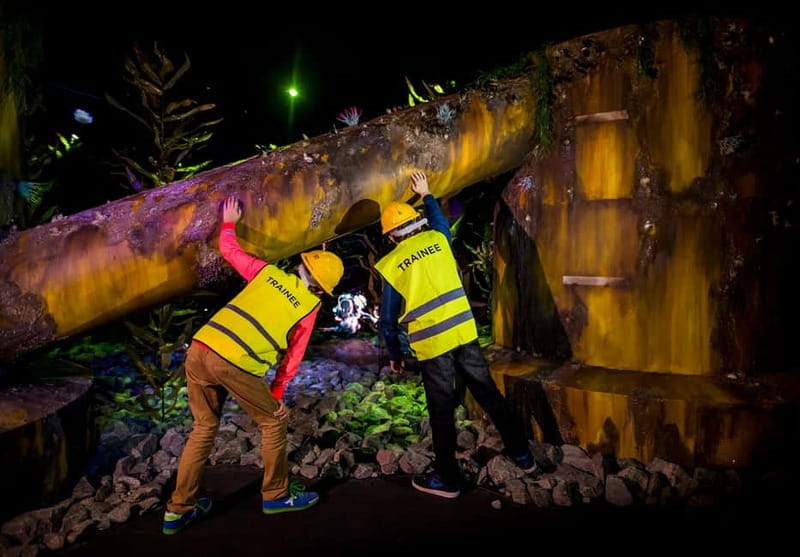
The children’s exhibit is called Plons! The Future of the Sea. It looks at the underwater world and asks how the sea might help meet challenges involving climate, pollution, and the energy transition.
This is not simply a smaller version of the adult galleries. Its themes point children toward the future and show that the sea is connected to environmental choices as well as ships and cargo. Families who want a more active, age-focused section should plan for it.
You must reserve a time slot separately, even though the reservation is free when you have ordered a regular entrance ticket. Use the museum’s Plons! booking page before your visit:
https://tickets.maritiemmuseum.nl/en/plons/tickets
The extra reservation is easy to overlook. I would book it before your museum day rather than assume you can walk in. If your child is especially interested in Plons!, build the rest of the visit around that reserved time.
What the $22 ticket is worth
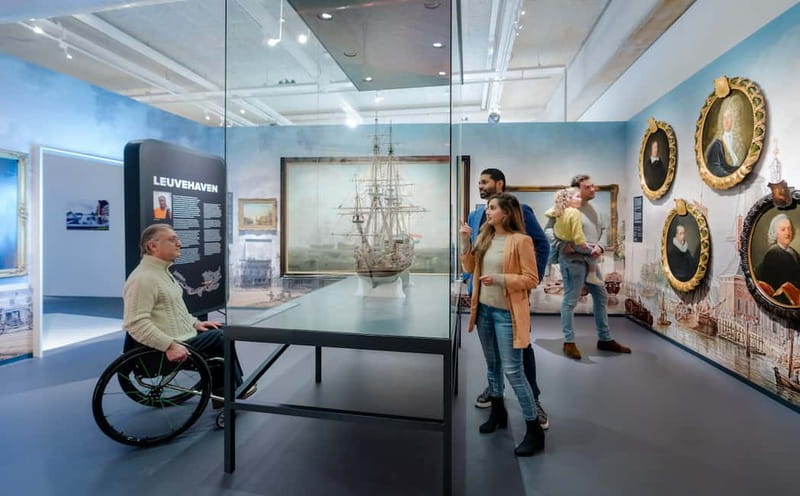
At $22 per person, this is good value if you plan to spend several hours or most of a day at the museum. Your admission includes every exhibition, the museum harbor, and the workshops. That combination gives you indoor interpretation, outdoor machinery, and practical craft content for one price.
The value is weaker if you only want a quick look at old boats. The ticket is designed for a fuller visit, and the museum’s range rewards people who take time with more than one section. You also need to budget separately, if applicable, for the inner-harbor cruise.
The ticket offers free cancellation up to 24 hours before the visit and a reserve-now, pay-later option. Those terms help if your Rotterdam schedule is still shifting. They do not remove the need to check the museum’s closure dates and opening hours.
The museum is wheelchair accessible. It also has a café and shop, which can make a longer visit easier, particularly for families. Large bags, oversize luggage, bikes, skateboards, skates, drones, pets, alcohol, and drugs are not allowed. Smoking and vaping are not allowed indoors, and flash photography is prohibited.
Who will get the most from this museum?
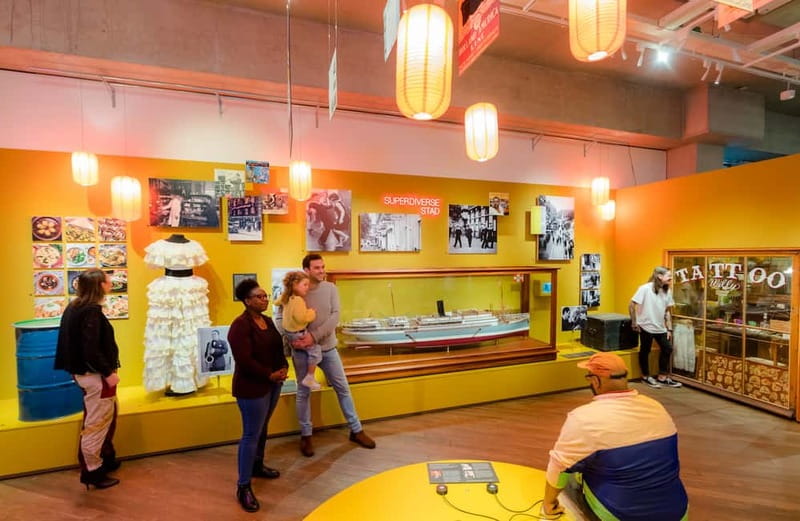
I would recommend the museum to you if you want Rotterdam explained through its port. It works particularly well for:
- Families: The museum has exhibitions for all ages, workshops, and the Plons! children’s area.
- Port and engineering enthusiasts: The historic cranes, working vessels, and Offshore Experience provide plenty to examine.
- First-time Rotterdam visitors: Destination Port City gives useful context for understanding the city’s role in Europe.
- Visitors with limited transport time: Central Leuvehaven is easy to reach from Beurs and nearby city areas.
- People who prefer active museums: The harbor, workshop, activities, and optional cruise add movement beyond standard galleries.
You may want a different attraction if you are looking only for fine art, a short guided tour, or a guaranteed boat ride included in the admission. The museum’s strengths are its range and its connection between past port work and future sea issues.
Practical plan for a one-day visit
I would begin by checking the day’s opening hours and reserving Plons! if children are coming. Then arrive with enough time to ask about the inner-harbor cruise before choosing your route.
Start indoors with Destination Port City so you understand Rotterdam’s development. Continue to the Offshore Experience if energy and modern industry interest you. After that, head outside to the ships and cranes, where the earlier stories become physical and easier to picture.
Use the workshop as a slower stop between the galleries and outdoor collection. If your Plons! time slot is fixed, keep an eye on the clock and leave enough time to reach that section. Finish with the café or shop, or return to the harbor for another look if the weather is comfortable.
I would not treat this as a rushed one-hour stop. The strongest parts work together: the galleries explain the port, the harbor shows its machinery, and the workshop reveals the labor needed to preserve it. Give the museum a half day at minimum, and a full day if you want the family exhibit and optional cruise too.
Should you book the Maritime Museum Rotterdam?
Book it if you want a practical, varied look at Rotterdam’s maritime identity and can give it several hours. The working historic harbor, modern port galleries, and maritime workshop make the $22 admission worthwhile for most people interested in the city, ships, engineering, or family-friendly learning.
Before paying, check three things: the museum’s current opening hours, the free Plons! time slot if needed, and the availability and cost of the inner-harbor cruise. If you handle those details, this is a strong city-center museum visit with enough variety to suit both serious port enthusiasts and curious families.
FAQ
Where is the Maritime Museum Rotterdam located?
It is at Leuvehaven 1, 3011 EA Rotterdam, in the center of Rotterdam.
How can I reach the museum?
You can take the metro to Beurs, trams 8, 23, or 25 to Beurs, bus 32 to Westblaak, or a water taxi to Leuvehaven.
How long is the ticket valid?
The ticket is valid for one day.
What does the admission ticket include?
It includes entrance to all exhibitions, the museum harbor, and the workshops.
Is the inner-harbor cruise included?
No. Ask at the museum ticket counter about the cruise through the inner harbor section.
Do I need a separate reservation for Plons!?
Yes. Plons! The Future of the Sea requires a separate time slot. The reservation is free when you have ordered a regular entrance ticket.
Is the museum wheelchair accessible?
Yes, the museum is wheelchair accessible.
Is the museum open every day?
No. It is closed on Mondays, New Year’s Day, during the Rotterdam Marathon, on King’s Day, and at Christmas.
Can I cancel my booking?
Yes. You can cancel up to 24 hours in advance for a full refund. You can also reserve now and pay later.
Newest history tours we have reviewed in the Netherlands
- Private Guided Walking Tour Historical Dordrecht★ 5.0 · 19 reviews
- Amsterdam: Luxury Canal Cruise with Historic VR Experience★ 5.0 · 305 reviews
- Amsterdam Walking Tour: Urban Legends & History with local guide★ 5.0 · 39 reviews
- Guided Walking Tour Amsterdam – Legends, History & Ghost Stories★ 5.0 · 28 reviews
- LGBTQI+ History Tour of Amsterdam★ 5.0 · 123 reviews
- Historical Walking Tour, private with local Dutch guide★ 5.0 · 23 reviews
- Anne Frank’s Amsterdam Jewish History WWII Exclusive Guided Tour★ 5.0 · 18 reviews
- Amsterdam Haunted History and Ghost Walking Tour★ 5.0 · 47 reviews
Museum & Gallery History Tours, compared.
Louvre Museum Entry with History of Mona Lisa
Read our review →
Venice’s Best: Basilica, Doge’s Palace, Gondola & History Gallery
Read our review →
American Museum of Natural History Admission Ticket
Read our review →
Guided African American History Tour with Reserved Museum Entry
Read our review →
POLIN Museum of the History of Polish Jews Ticket
Read our review →
Bell Tower & St Mark’s Square History Gallery Ticket
Read our review →
Field Museum of Natural History Ticket or VIP Tour
Read our review →Browse the lists this tour appears in