
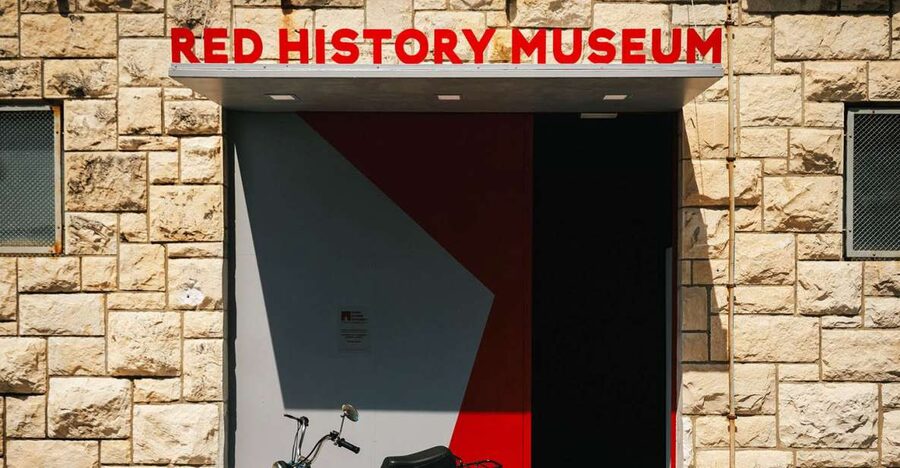
Review · DUBROVNIK HISTORY TOURS
Dubrovnik: Red History Museum Regular Ticket
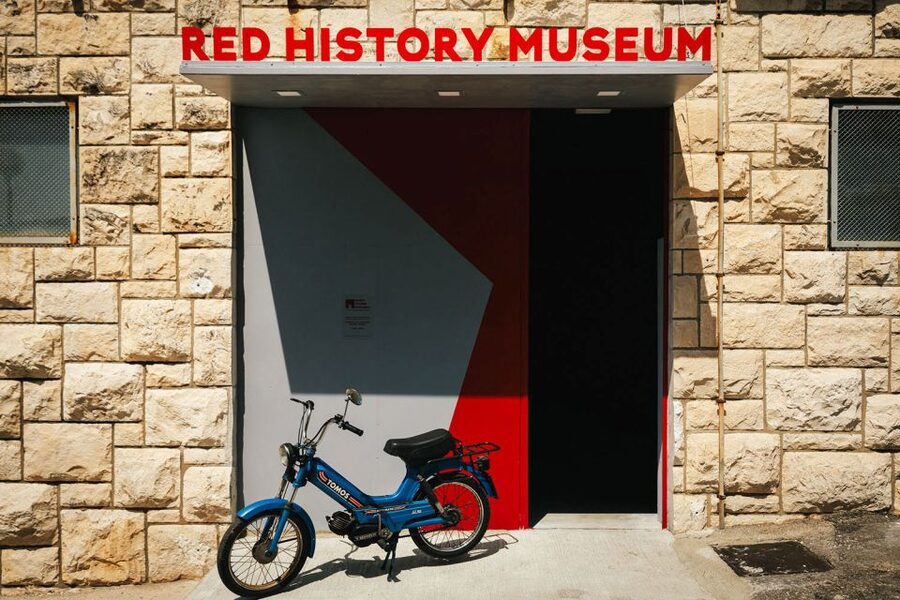
Dubrovnik’s Red History Museum gives you a useful key to modern Croatia: you first look backward. Set inside the former T.U.P. factory complex from 1953, it uses furniture, music, photographs, politics, and everyday products to show what life was like under Yugoslav communism. I especially like the reconstructed home and the chance to sit in a Yugo 45, the famously modest car of the era.
I also like the mix of serious subjects and playful details. You can read about secret agencies and Goli Otok, then compare communist versions of Coca-Cola or Fanta. The museum is small, so you should not expect a full-day attraction, and some interactive features, including scanned images, may need clearer instructions.
Key points to know before you go
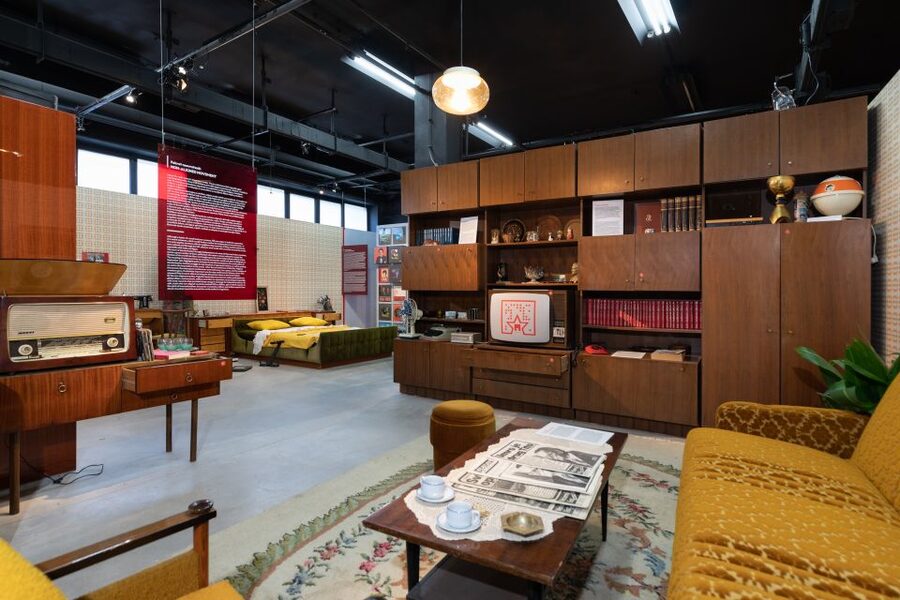
- See Yugoslavia through ordinary life: Furniture, household objects, music, and pop culture make political history easier to grasp.
- Visit the former T.U.P. factory: The museum occupies Dubrovnik’s last factory complex, built in 1953 in the port area.
- Sit in a Yugo 45: The famous car offers one of the museum’s most memorable photo opportunities.
- Explore serious subjects: Exhibits cover politics, secret agencies, the Non-Aligned movement, and Goli Otok.
- Try period-style products: Finish with popular drinks and sweets modeled on communist-era versions of familiar brands.
- Expect an interactive visit: The museum combines old objects with newer technology, though some displays may require extra guidance.
Why the Red History Museum matters in Dubrovnik
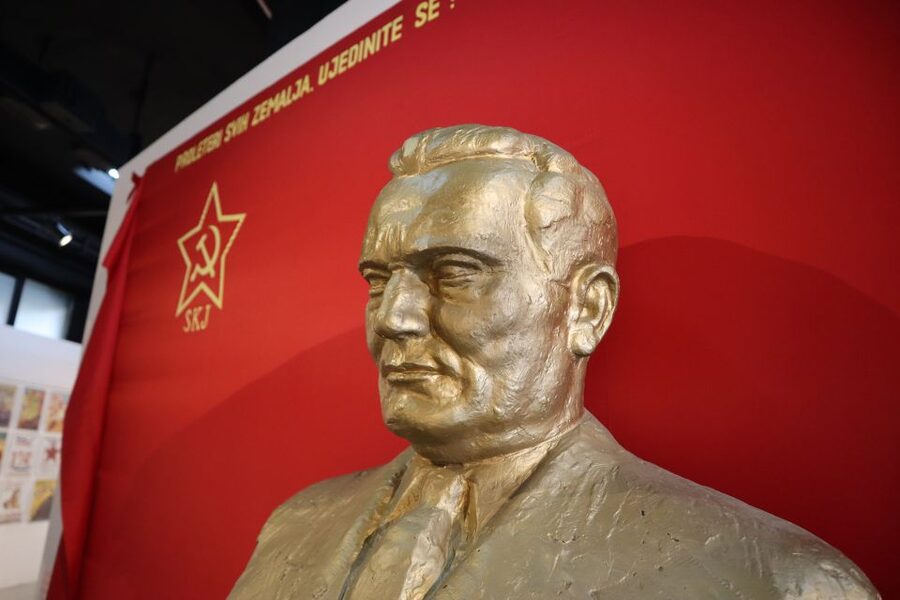
Most visitors come to Dubrovnik for its medieval walls, stone lanes, and Adriatic setting. The Red History Museum takes you somewhere else entirely: postwar Yugoslavia, a country that no longer exists in its former shape but still influences how many Croatians understand home, politics, family, and identity.
That change of focus is the museum’s main value. You are not simply looking at old furniture. You are seeing how a political system reached into the living room, the school, the factory, the television, and the family car.
The museum describes itself as Croatia’s first museum devoted to the country’s communist past. That gives it a clear purpose. It is not trying to cover every period of Croatian history. Instead, it helps you understand the recent past that shaped present-day Croatia.
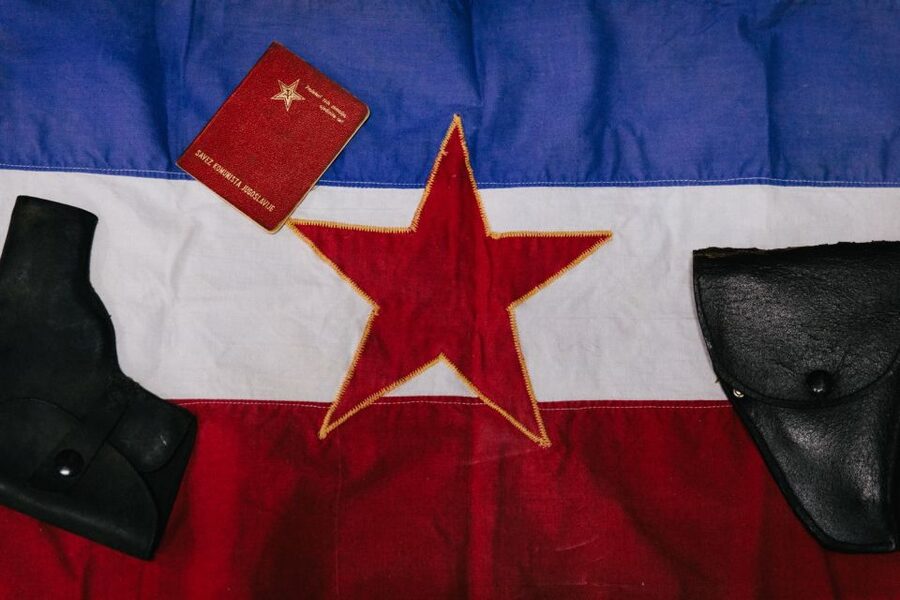
I find this especially useful if you know little about Yugoslavia. Terms such as socialism, the Communist Party, the Non-Aligned movement, and Goli Otok can feel distant when you see them only in a textbook. Here, they are tied to rooms, objects, songs, photographs, and personal stories.
More Museum and Gallery History Tours in Dubrovnik:
- New York City: American Museum of Natural History Ticket
★ 4.5 · 15,447 reviews - Paris: Louvre Museum Entry with History of Mona Lisa
★ 3.9 · 2,823 reviews - Venice’s Best: Basilica, Doge’s Palace, Gondola & History Gallery
★ 4.5 · 2,478 reviews
Inside the 1953 T.U.P. factory complex
The setting does some of the historical work before you even study an exhibit. The museum occupies the former T.U.P. factory complex in Dubrovnik’s port area. Built in 1953, it belongs to the same period the museum explores.
That matters because the building is not a modern gallery designed to imitate the past. It is part of the working world that grew during Yugoslavia’s socialist period. The factory setting gives the visit a more direct connection to industry and labor, two important parts of life under the system.
You should keep your expectations realistic. This is described as a small museum, not a vast national collection. That can be an advantage in Dubrovnik, where you may already be filling your day with major sights. You can spend time with the displays without committing several hours or trying to cover an enormous building.
The compact size also means the visit works well as a focused stop. You can take in the main themes, pause over the objects that interest you, and leave with a clearer picture of Yugoslav life rather than a blur of labels.
Reconstructed rooms show the everyday side
The reconstructed house is one of the strongest parts of the experience. Old furniture and domestic objects give you a feel for life in Yugoslavia during the 1970s and 1980s.
This is where the museum becomes most relatable. Political history can seem abstract, but a room tells you what people saw and used every day. Furniture, home design, and familiar household details help place the larger events in a real setting.
I like this approach because it shows more than official slogans. You get a sense of ordinary routines, taste, and material life. The museum also presents both sides of the socialist period, so the visit is not limited to a simple story of success or failure.
That balance is important. Yugoslav life cannot be reduced to one mood. There were limits, political control, and fear, but there were also popular products, music, fashion, shared memories, and a distinct cultural identity. The household reconstruction makes room for that complexity without requiring you to read a long academic work.
If you are especially interested in interior design, old objects, or social history, allow yourself time here. The room may appear less dramatic than the Yugo or the interactive technology, but it is one of the exhibits that best explains how history felt at home.
Politics, surveillance, and Goli Otok
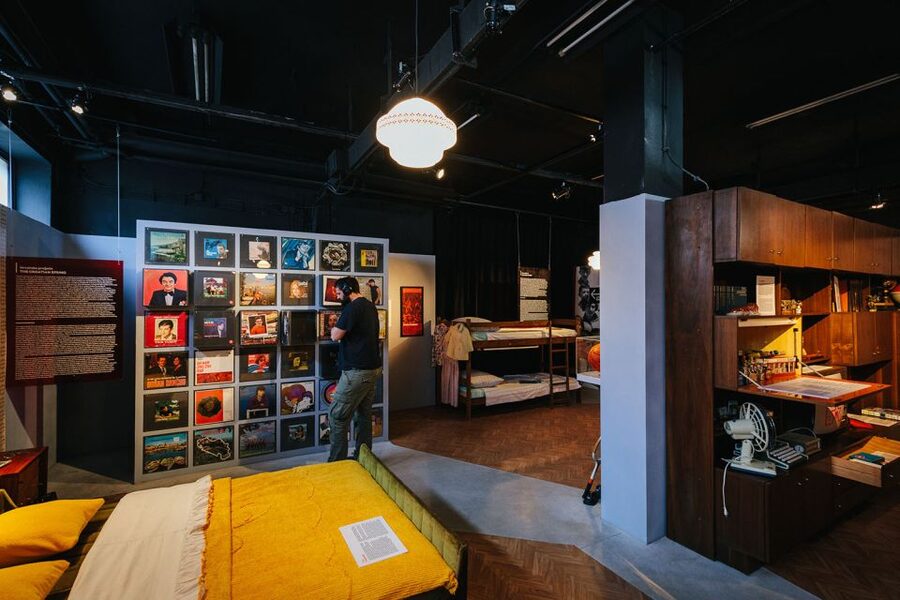
The museum also turns toward the harder subjects. You can learn about the Communist Party, secret agencies, and the watchful side of political life. These sections give needed weight to the more playful displays.
One particularly important area deals with Goli Otok. Information about the island appears behind curtains, creating a physical separation between the lighter public world of products and music and the darker story of political punishment and repression.
The presentation encourages you to look more closely rather than passing through without thought. Goli Otok is not treated as a minor footnote, and its inclusion reminds you that everyday comfort and political control existed side by side.
I would not rush this section. The museum is at its best when you allow the serious material to sit alongside the pop culture. That contrast helps explain why memories of Yugoslavia can be complicated. A person might remember music, family life, and familiar products warmly while also recognizing the restrictions and suffering connected with the regime.
The displays also touch on secret agencies. The subject can be difficult to understand without broader context, so take your time with the text and visual material. If Viktor is assisting during your visit, he may help explain the historical background and answer questions.
More Entry Tickets in Dubrovnik:
- Edinburgh: Edinburgh Castle Guided History Tour with Tickets
★ 4.8 · 9,933 reviews - Taormina: Ancient Theater Skip-the-Line Ticket & Audio Guide
★ 4.5 · 2,412 reviews - Historic Milan Tour with Skip-the-Line Last Supper Ticket
★ 4.5 · 1,976 reviews - American Museum of Natural History Admission Ticket
★ 4.0 · 1,931 reviews
The Non-Aligned movement and Yugoslavia’s position
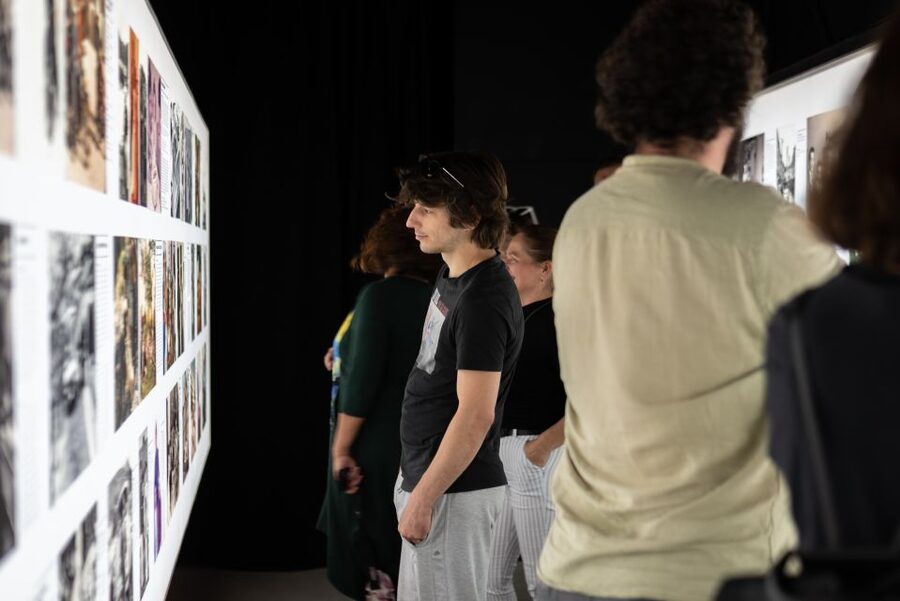
The museum explores the way of the Non-Aligned movement, an important part of Yugoslavia’s place in the world. This section adds useful international context.
Yugoslavia followed its own path rather than fitting neatly into the Soviet bloc. For you, that helps explain why the country’s culture and politics could feel different from the usual image of Eastern Europe during the Cold War.
The point is not simply to memorize a political label. It is to understand that Yugoslavia had its own identity and international role. That identity shaped how people saw their country and how the government presented it to the outside world.
The museum connects these large political ideas with more personal and visual material. That is a smart choice for a relatively small attraction. You receive enough background to understand the subject, but the visit keeps returning to daily life.
The Yugo 45 and the museum’s lighter moments
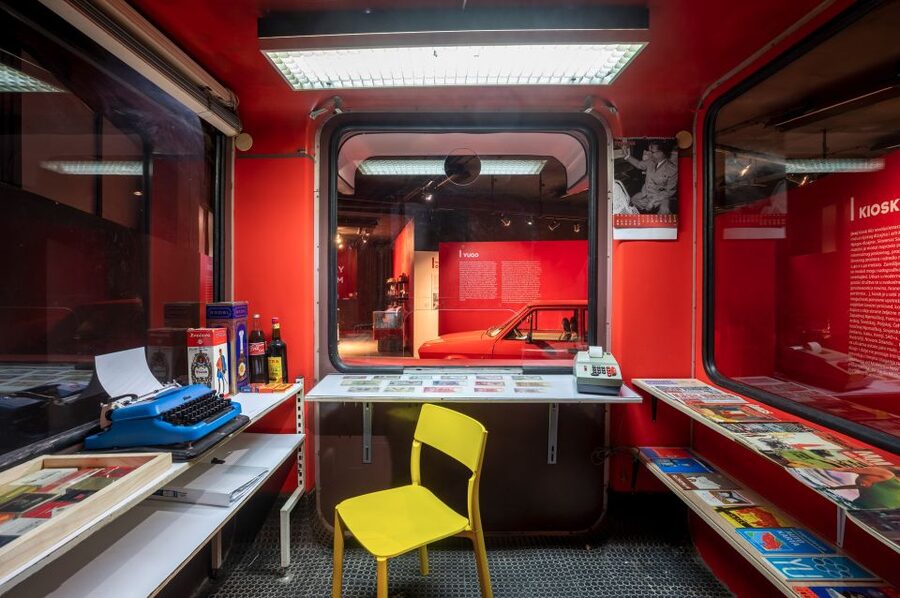
The Yugo 45 is one of the most approachable displays. Often described as the worst car ever, it is also a recognizable symbol of Yugoslav everyday life. You can take a photo inside it, which adds a bit of humor to a museum dealing with heavy political themes.
The car helps explain the era in a simple way. It was not a luxury object. It was a practical product tied to ordinary mobility and local industry. Seeing it in person gives you a concrete image of the period that a photograph alone might not provide.
I like that the museum does not treat history as solemn from start to finish. The Yugo photo opportunity gives families and younger visitors an easy way into the subject. You can enjoy the joke about the car while still understanding why it mattered.
The music section works in much the same way. You can listen to major hits from the period, giving the visit an audible connection to the 1970s and 1980s. Music often brings back a time more quickly than political text, and here it helps explain the culture that grew around the system.
These lighter elements are not distractions. They keep the flow from becoming too heavy and show that people did not experience the period only through official politics.
Communist Coca-Cola, Fanta, sweets, and consumer culture
Near the end, the museum lets you look at consumer culture through period-style drinks and candies. You can try communist versions of familiar products, including Coca-Cola and Fanta.
This is a clever finishing point because it turns an economic and cultural subject into something you can taste. It also raises questions about branding, access, imitation, and how people experienced Western-style products under a socialist system.
The drinks and sweets are fun, but they are not just a novelty. They show how everyday consumption can carry political meaning. A product that looks familiar may have a different history, recipe, or status when produced in another system.
For children and teenagers, this may be the part that makes the rest of the visit easier to remember. For adults with memories of Yugoslavia, it may prompt comparisons with products from the past. Either way, it gives the museum a friendly ending after the more serious material on surveillance and political repression.
How the interactive design works
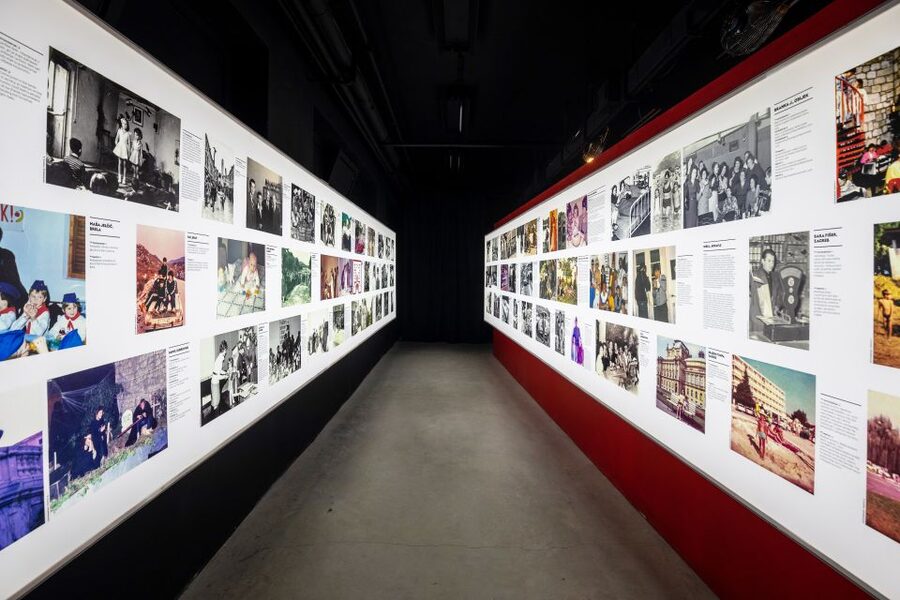
The museum combines old technology and new technology. You will see physical objects, photographs, reconstructed spaces, music, and interactive material rather than a row of glass cases with long labels.
That variety helps maintain your attention. The museum is informative, but the interactive features prevent the flow from becoming a wall of text. You can move between politics, design, household life, and pop culture without feeling that you are attending a lecture.
Still, the technology is not perfect. Some virtual scanned images may not respond as expected, and you might need clearer instructions to understand how to use them. If a display seems inactive, ask a staff member rather than assuming it is broken.
This is a small point, but it can affect your visit. Interactive exhibits are useful only when the controls are obvious. The museum’s strongest displays are often the ones that work without much explanation: the furniture, the photographs, the car, and the music.
How much time and money should you allow?
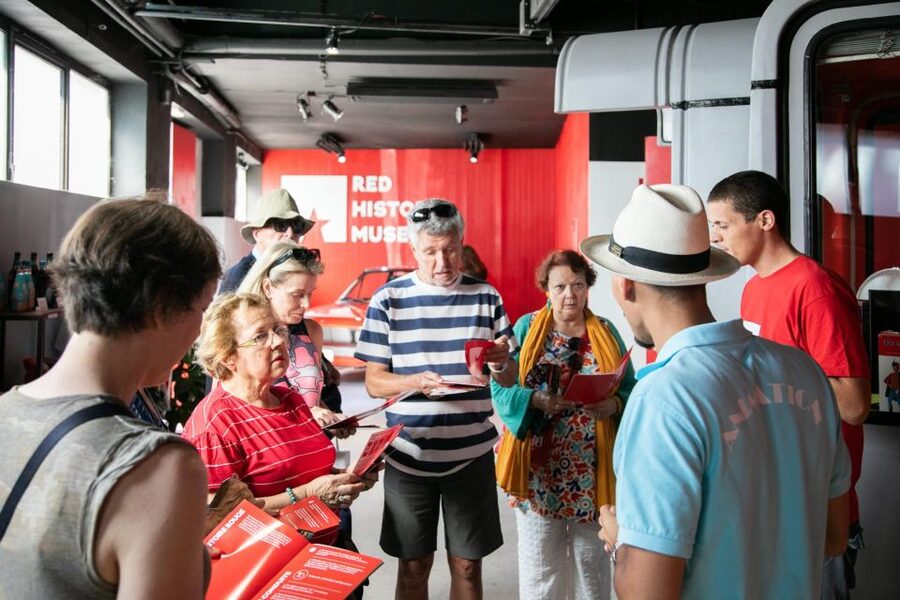
The regular ticket costs $11 per person. For Dubrovnik, where many major attractions carry a significant price, I see this as a reasonable fee for a focused museum visit, especially if you have an interest in recent European history.
The value depends on your expectations. If you want a large collection with dozens of rooms and extensive historical detail, the museum may feel small for the price. If you want a clear, well-organized introduction to Yugoslav life with interactive displays and unusual objects, the ticket is easier to justify.
You can also treat it as a break from the old-city circuit. Dubrovnik’s most famous sights focus on much earlier centuries, while this museum explains the period that many local families still remember directly.
The ticket is for regular entry to the Red History Museum. You can reserve now and pay later, and cancellation is available up to 24 hours before the visit for a full refund. Those terms are useful if your Dubrovnik plans are still changing.
Who will get the most from this museum?
I would recommend the museum to anyone who wants more than postcard Dubrovnik. It is particularly useful for:
- Visitors interested in Croatia, Yugoslavia, or Cold War Europe
- People who enjoy social history and old household objects
- Families who need an attraction with photos, music, and interactive elements
- Visitors who want context for modern Croatia
- Anyone curious about how politics affects ordinary life
It may be less satisfying if you are looking only for medieval architecture, art, or a large formal collection. The museum’s purpose is narrow, and that is part of its strength. You are here for communist-era Yugoslavia, not for a general survey of Croatian history.
The museum also suits visitors who prefer learning through objects. You do not need extensive background knowledge to follow the main ideas. The reconstructed home, Yugo, music, products, and photographs give you several ways to understand the period.
Should you book the Red History Museum?
I would book it if you want to understand the recent past behind today’s Croatia. The reconstructed home, the Yugo 45, the music, and the communist-era products make the subject approachable, while the sections on Goli Otok, secret agencies, and the Communist Party add serious depth.
The main caution is size. This is a compact museum, and some interactive features may not be as easy to use as they should be. But at $11, it offers a focused and unusual change of pace from Dubrovnik’s medieval sights.
Book the Red History Museum if you value context, everyday history, and a mix of humor and hard facts. Skip it only if your schedule is extremely tight or your interests lie entirely outside twentieth-century Croatia.
FAQ
Where is the Red History Museum located?
It is located in Dubrovnik’s port area, inside the former T.U.P. factory complex built in 1953.
What does the Red History Museum explore?
The museum explores Croatia’s communist history and life under the Yugoslav regime, including politics, design, art, secret agencies, pop culture, and the Non-Aligned movement.
How much does regular admission cost?
The regular ticket costs $11 per person.
Can I see a Yugo 45 at the museum?
Yes. You can take a photo in the Yugo 45, described as the famous worst car ever.
Can I try communist-era drinks and sweets?
Yes. At the end of the visit, you can try popular drinks and candies from the period, including communist versions of Coca-Cola and Fanta.
Does the museum include information about Goli Otok?
Yes. Information about Goli Otok is presented as part of the museum’s treatment of political life and repression.
Can I cancel my booking for a full refund?
Yes. You can cancel up to 24 hours in advance for a full refund. You can also reserve your spot and pay later.
Newest history tours we have reviewed in Dubrovnik
- Enjoy Ancient Mostar★ 4.0 · 45 reviews
- Dubrovnik by Night, History, Wine & Bites★ 5.0 · 41 reviews
- Ancient Old City– Finest tour of Dubrovnik★ 5.0 · 64 reviews
- Dubrovnik: Small-Group Guided Old Town History Walking Tour★ 4.9 · 37 reviews
- Dubrovnik Old Town: Night tour with History, Wine & Bites★ 4.7 · 59 reviews
- Dubrovnik History and Game of Thrones Locations Tour★ 4.8 · 49 reviews
- Dubrovnik: Historical Tour with Game of thrones details★ 4.9 · 43 reviews
- Dubrovnik: Game of Thrones & History Tour★ 4.7 · 72 reviews
Museum & Gallery History Tours, compared.

Louvre Museum Entry with History of Mona Lisa
Read our review →
Venice’s Best: Basilica, Doge’s Palace, Gondola & History Gallery
Read our review →
American Museum of Natural History Admission Ticket
Read our review →
Guided African American History Tour with Reserved Museum Entry
Read our review →
POLIN Museum of the History of Polish Jews Ticket
Read our review →
Bell Tower & St Mark’s Square History Gallery Ticket
Read our review →
Field Museum of Natural History Ticket or VIP Tour
Read our review →Browse the lists this tour appears in