
Review · NEW ORLEANS HISTORY TOURS
New Orleans: Tremé African American & Creole History Tour
Tremé is where New Orleans history starts to sound like music. On this 105-minute walk, you connect the neighborhood’s African American and Creole story with Congo Square, jazz, brass bands, civil rights, and the musicians who helped shape the city.
I like the way the tour uses music as a guide to history, rather than treating jazz as a separate subject. I also like the mix of major sites and smaller details, from St. Augustine Church and the Tomb of the Unknown Slave to the laundromat that reached the Rock and Roll Hall of Fame. The main consideration is weather: the tour runs rain or shine, and New Orleans heat or sudden rain can make the walk harder than the distance suggests.
- Music on the pavement: Hear recordings chosen to introduce the next story, including music tied to Tremé’s jazz and brass-band traditions.
- A serious look at Black New Orleans: Learn about enslaved Africans, free people of color, African Americans, civil rights, and the parts of local history often left out.
- Congo Square and Armstrong Park: See how a former gathering place connects to the development of New Orleans music.
- Historic Tremé landmarks: Visit St. Augustine Church, the Tomb of the Unknown Slave, and locations linked to the HBO series Tremé.
- Strong local guides: Erin, Nika, Kweku, Angela, Eva, Claire, and others have led tours praised for clear storytelling and personal warmth.
- Simple, flexible booking: The tour costs $22, lasts about 105 minutes, is wheelchair accessible, and allows free cancellation up to 24 hours before departure.
Why Tremé belongs near the top of your New Orleans list
Many first-time visits to New Orleans stay inside the French Quarter. That is understandable, but it leaves out the neighborhood that gives much of the city’s music and Black cultural story its setting.
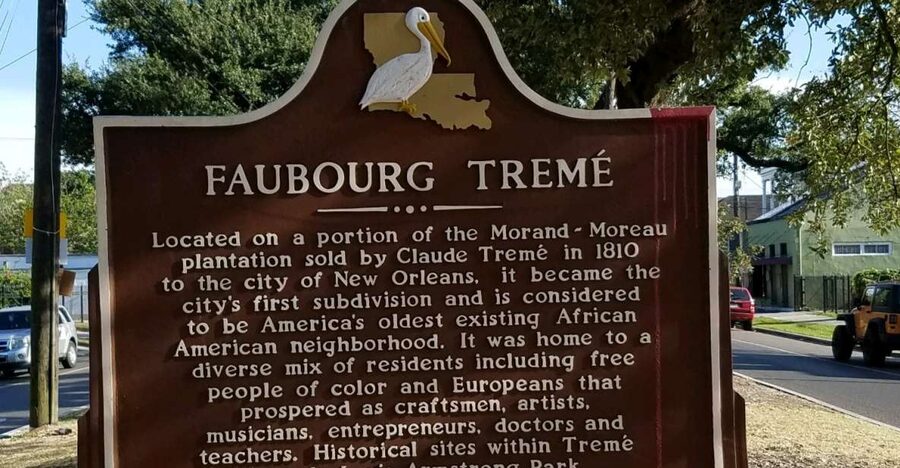
Tremé sits just beyond the French Quarter, and the walk begins at The Voodoo Lounge, 718 N. Rampart Street, at the corner of North Rampart and Orleans. From there, you move into a part of New Orleans shaped by African American and Creole communities, musicians, churches, social clubs, craftsmen, and long struggles over land, memory, and civil rights.
I like this tour because it does not treat Tremé as just a backdrop for jazz. You learn about the people and institutions that made the music possible. That makes the visit more useful than simply stopping for a photograph at a famous sign or filming location.
The setting also gives the tour an honest edge. Parts of the neighborhood’s past have been neglected or pushed aside, and the guide addresses those losses directly. One striking example is the former intersection of St. Claude and Dumaine, where the guide may show images of a neighborhood that was cleared and is now part of Louis Armstrong Park.
Meeting at North Rampart Street
The practical start is easy to find, but you need to check in inside The Voodoo Lounge rather than simply waiting on the sidewalk. Go to the box office to receive your wristband, then meet the guide for the walk.
The location is useful if you are already exploring the French Quarter. It also puts you close to Tremé without requiring a separate transfer. Since the tour is on foot, wear comfortable shoes and bring sun protection. Large bags and luggage are not allowed, so this is not a good activity to schedule while carrying airport bags.
The tour is listed at 105 minutes. Some past walks have run longer, especially when the group asked questions or the guide had extra material to share. I would leave a little breathing room afterward. You do not want to rush away just as the conversation gets interesting, and you should not book a tight restaurant reservation immediately after the scheduled finish.
More History Tours in New Orleans:
- New Orleans Garden District History Walking Tour
★ 5.0 · 2,879 reviews - French Quarter Historical Sights and Stories Walking Tour
★ 5.0 · 2,724 reviews - New Orleans Small-Group Haunted History Carriage Tour
★ 4.5 · 2,289 reviews
Congo Square, Armstrong Park, and the roots of the music
Congo Square is one of the most important ideas on this tour. The location helps explain how African traditions, community gatherings, rhythm, dance, and later musical forms became part of New Orleans culture.
Your guide connects the site with the music that developed in and around Tremé. The story is not presented as a simple line from one song to jazz. Instead, you hear how different people, customs, and musical styles shaped one another over time.
Armstrong Park also brings the cost of progress into view. The park is an important public space, but parts of the neighborhood that once occupied the area were razed. Seeing historic images while standing at a former street intersection gives the story a physical quality that a museum label cannot provide.
I find this one of the strongest parts of the experience because it joins music with housing, memory, and public policy. You are not just hearing that a place mattered. You are seeing what replaced it.
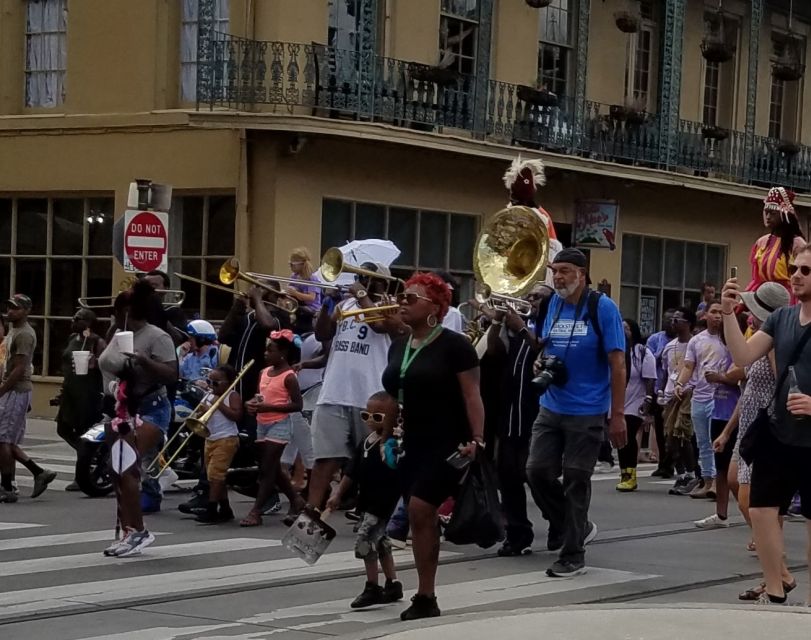
Guides sometimes use a portable speaker to play selected music while walking between stops. That small touch helps you hear the connection before the explanation begins. The recordings can range across different periods and styles, including music linked to Tremé’s modern brass-band tradition.
St. Augustine Church and the Tomb of the Unknown Slave
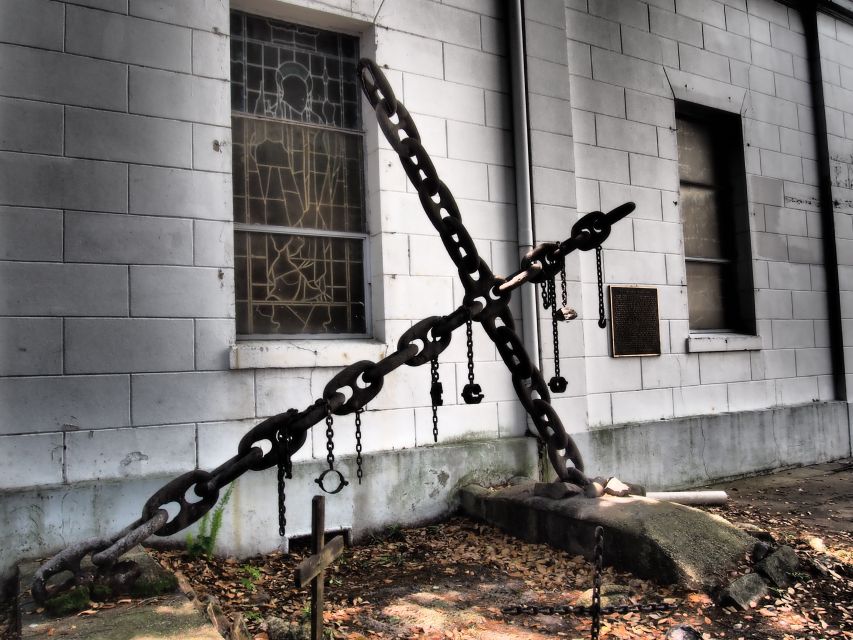
St. Augustine Church adds a religious and community center to the tour. Along with the Tomb of the Unknown Slave, it gives you a way to think about the people whose labor and lives shaped New Orleans but were not always recorded with care.
The tour’s focus on slavery, free people of color, and African American life in the 18th and 19th centuries is direct. You should expect difficult subjects, but the guide’s job is not simply to list dates. The best guides explain how these experiences affected the neighborhood and its culture.
That context matters at St. Augustine. A church is not only an architectural stop. It can also reveal how communities organized, worshiped, preserved identity, and supported one another. The Tomb of the Unknown Slave adds another layer, reminding you that many individual lives remain unnamed even when their collective impact is enormous.
The tone can be emotional. One guide was praised for handling painful parts of local history with respect and honesty, while keeping the discussion open to questions. That balance is important on a tour dealing with slavery, displacement, racism, and civil rights.
Jazz names and the brass-band tradition
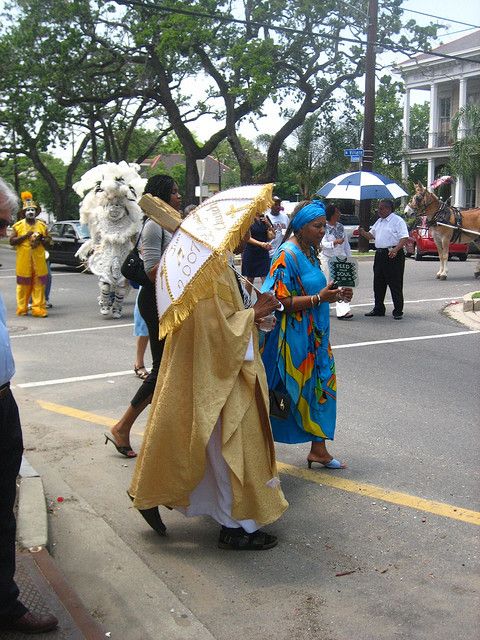
Tremé’s music story includes major jazz figures such as Jelly Roll Morton and Alphonse Picou, as well as modern musicians such as Trombone Shorty. Hearing those names in the streets where musicians, artists, and craftspeople still contribute to the neighborhood’s story makes the subject feel current rather than sealed in the past.
The tour also looks beyond early jazz. New Orleans’ brass-band tradition continues to shape the city’s sound, and the guide explains how music remains part of local life. You may hear about different genres across the centuries rather than one narrow version of jazz history.
This is where the guides’ different personalities can make a real difference. Erin has been singled out for clear explanations and a strong command of local history. Nika is known for energetic storytelling, humor, music, and the ability to answer questions without rushing people. Kweku has been praised for connecting music, heritage, and local history in an engaging way. Angela, Eva, Claire, and other guides have also led walks praised for their warmth and subject knowledge.
You cannot request that every guide will be available, so it is best to treat the named guides as examples of the team rather than a guarantee. Still, the repeated praise for the guides tells you something useful: the quality of the experience depends heavily on who leads the group, and this company has several guides who can carry the subject well.
Same streets, a different century:
- New Orleans Haunted History Ghost Tour
★ 4.5 · 2,084 reviews - Paddlewheeler Creole Queen Historic Mississippi River Cruise
★ 4.5 · 1,948 reviews - New Orleans Food and History Walking Tour
★ 5.0 · 1,544 reviews - New Orleans: Creole Queen History Cruise with Optional Lunch
★ 4.3 · 1,112 reviews
Civil rights, Plessy, and the history left out
The tour is not only about music. It also covers the civil rights movement and the legal and social forces that shaped African American life in New Orleans.
One guide has been praised for explaining Plessy v. Ferguson and for making connections between familiar textbook history and what happened in New Orleans. That is a valuable approach. You already may know the case as a legal milestone, but walking through Tremé helps you place such events within real communities and local streets.
The guide may also address common misconceptions and explain how official versions of New Orleans history can leave out residents’ experiences. This is a good fit if you want more than a cheerful music tour. You will need to pay attention, ask questions, and accept that the city’s past includes injustice as well as celebration.
At the same time, the tone is not described as overly formal. Past guides have used humor, personal stories, pictures, and music to keep the walk moving. That makes the material easier to absorb during a hot afternoon or a long stretch between landmarks.
HBO’s Tremé locations without losing the real neighborhood
Fans of HBO’s Tremé will recognize several filming locations. The show gives you a point of entry, especially if you already know its musicians, streets, or storylines.
The tour handles those locations as part of the neighborhood rather than as a movie set tour. You see where the series filmed, then return to the people, music, and history that existed before the cameras arrived and continue after they left.
That balance is important. If you want a detailed episode-by-episode production tour, this may not be enough. If you want to understand why Tremé made such a strong setting for the series, the real streets and local context are far more useful than a list of television references.
What the walking pace feels like
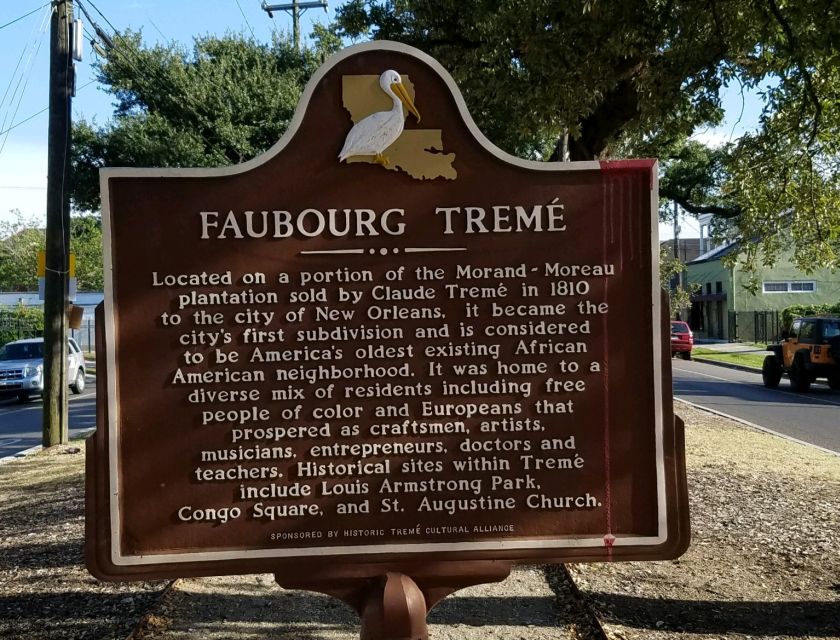
The tour covers a manageable amount of ground over roughly an hour and 45 minutes. Multiple stops break up the walking, and the guides have been praised for allowing enough time at landmarks instead of hurrying from one point to the next.
Heat is the main physical concern. One past group walked in very hot conditions, and the guide made a point of finding shade when stopping to speak. That kind of care cannot be guaranteed at every departure, so bring sun protection and water for your own comfort. The tour operates in rain as well, and one guide handled showers by finding shelter and using the pause for more discussion.
The activity is wheelchair accessible. Still, this is a public-street walking tour, so practical conditions can vary with weather, sidewalks, and the route used that day. If you have specific mobility concerns, confirm details when booking.
Is $22 a fair price?
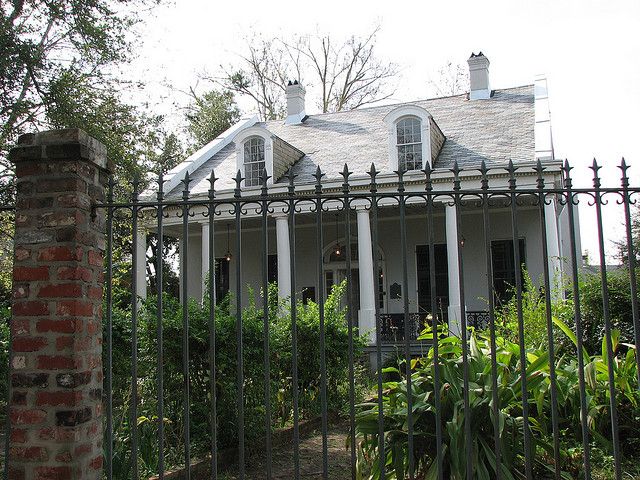
At $22 per person, this is a strong value if you want context rather than a quick sightseeing loop. You get a licensed guide who is also a local historian, more than 90 minutes of interpretation, and a route that combines music, African American history, Creole culture, civil rights, architecture, religion, and television history.
Food and drinks are not included. That keeps the base price low, and it gives you freedom to choose where to eat afterward. One past group stopped at Tremé Coffeehouse, but you should treat food stops as dependent on the guide and day rather than a fixed feature of the tour.
The real value is the explanation. You could walk around the area alone, but you would miss why Congo Square matters, how the brass-band tradition fits into the city’s story, and what was lost when parts of the neighborhood were cleared. At this price, the guide’s interpretation does much of the work.
Who should book this Tremé walk?
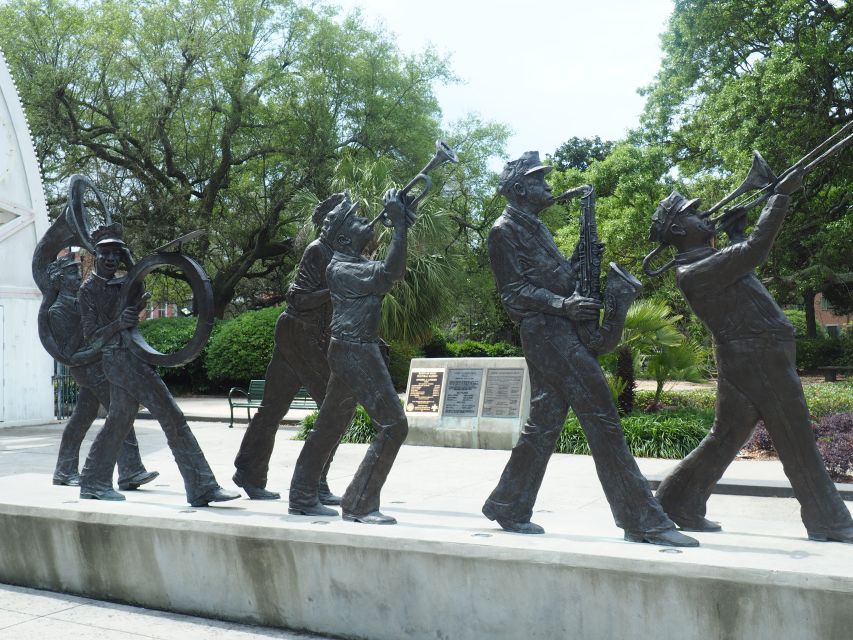
I would choose this tour if you want to understand New Orleans through Black history and music. It is especially useful early in your visit because it gives you names, places, and ideas that will make later jazz clubs, brass bands, museums, and neighborhood walks easier to understand.
It also suits fans of Tremé, people interested in civil rights history, and anyone who feels the French Quarter does not tell the whole New Orleans story. Families with older children may appreciate the music and visual landmarks, though the subject matter requires enough maturity for discussions of slavery and racism.
I would think twice if you want a relaxed stroll with little narration. This is a talkative, content-heavy experience. You will get the most from it if you enjoy asking questions and listening closely.
Book at least a little time before your next appointment. You can cancel for a full refund up to 24 hours ahead, and reserve now while paying later, which helps if your New Orleans schedule is still changing.
My call: book it for the history behind the sound
Book this Tremé tour if you want the story behind New Orleans music, not just the soundtrack. The combination of Congo Square, Armstrong Park, St. Augustine Church, the Tomb of the Unknown Slave, civil rights history, jazz figures, brass bands, and Tremé locations gives you a serious and enjoyable introduction to one of the city’s most important neighborhoods.
Bring comfortable shoes, sun protection, and an open mind. If possible, leave time afterward to revisit a museum or landmark you pass on the walk. At $22, this is one of the better ways to turn a short visit to Tremé into a much fuller understanding of New Orleans.
FAQ
Where does the Tremé tour begin?
The tour begins at The Voodoo Lounge, 718 N. Rampart Street, at the corner of North Rampart Street and Orleans Street. Check in at the box office inside the lounge to receive your wristband.
How long does the tour last?
The scheduled duration is 105 minutes. The walk may run longer if the group has many questions or the guide has additional material to share.
What language is the tour conducted in?
The tour is conducted in English.
Is the tour wheelchair accessible?
Yes, the activity is listed as wheelchair accessible.
What should I bring?
Bring comfortable walking shoes and sun protection. Since the tour operates rain or shine, you should also prepare for the weather forecast.
Can I bring luggage or a large bag?
No. Luggage and large bags are not allowed on the tour.
Can I cancel my booking?
Yes. You can cancel up to 24 hours in advance for a full refund. You can also reserve now and pay later.
Newest history tours we have reviewed in New Orleans
- New Orleans: 1.5-Hour Voodoo History Evening Tour★ 4.5 · 34 reviews
- New Orleans: Wicked History Walking Tour with a Local Witch★ 4.3 · 29 reviews
- New Orleans: Swamp Boat Ride and Historic Plantation Tour★ 4.7 · 303 reviews
- New Orleans: Garden District Food, Drinks & History Tour★ 4.9 · 97 reviews
- New Orleans: French Quarter Saints & Sinners History Tour★ 4.6 · 56 reviews
- New Orleans: French Quarter Food History Walking Tour★ 4.9 · 713 reviews
- New Orleans: Drunk History Walking Tour★ 4.2 · 165 reviews
- New Orleans, French Quarter: Pirate History Walking Tour★ 5.0 · 45 reviews
New Orleans History Tours, compared.
New Orleans Garden District History Walking Tour
Read our review →
French Quarter Historical Sights and Stories Walking Tour
Read our review →
New Orleans Small-Group Haunted History Carriage Tour
Read our review →

Paddlewheeler Creole Queen Historic Mississippi River Cruise
Read our review →

Creole Queen History Cruise with Optional Lunch
Read our review →
Browse the lists this tour appears in