
Review · NEW ORLEANS HISTORY TOURS
New Orleans: Early Evening Cocktail History Tour
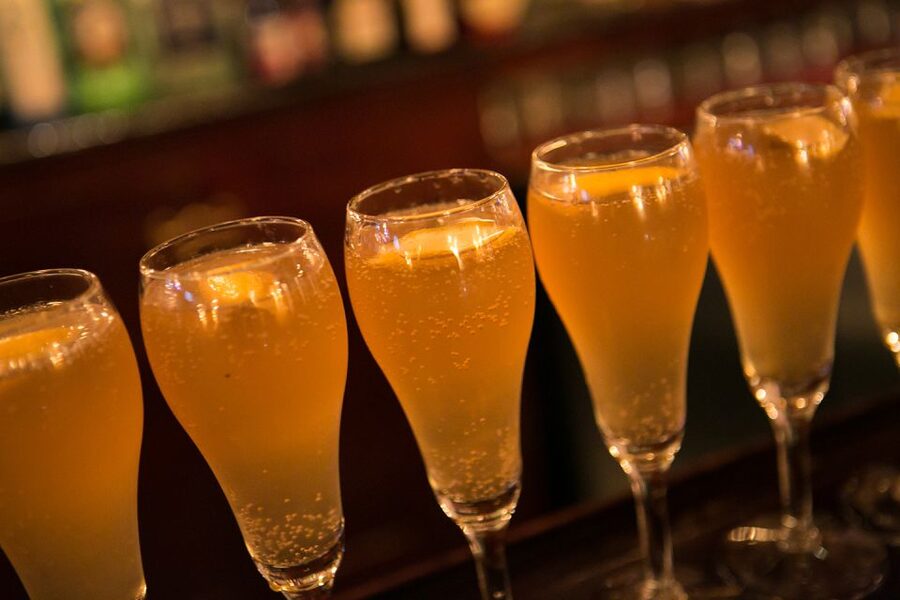
New Orleans treats cocktails as part of its cultural history, not just something poured into a glass. This three-hour walk takes you from a rum punch to a Sazerac, Brandy Crusta, Pimm’s Cup, Ojen Frappé, and Roffignac, with the exact drink choices depending on the stop and the evening.
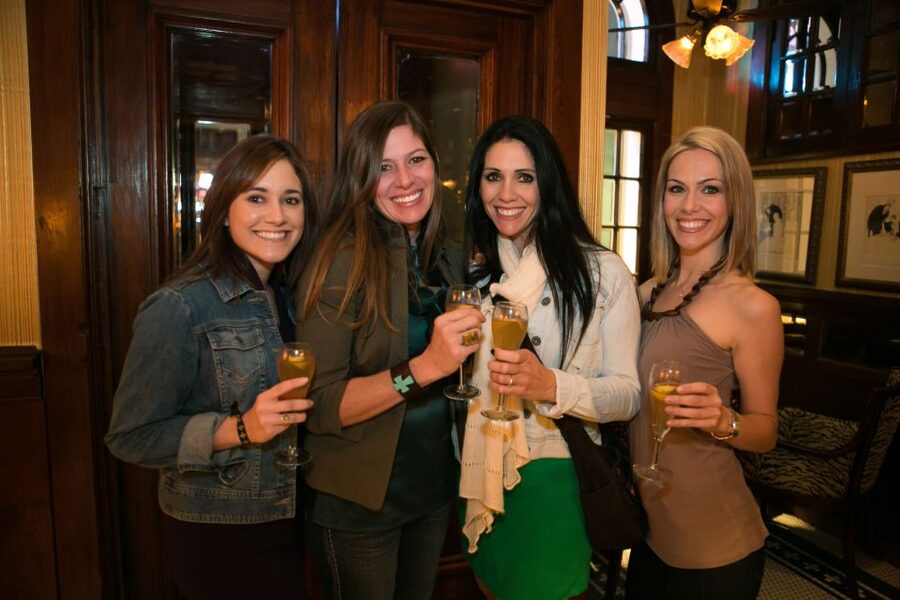
I like the four full cocktails and the short walks between bars, which keep the night moving without turning it into a pub crawl. I also like the guides’ mix of drink lore and city history. Beth, Mike, Ben, Cat, and Lindsay are all praised for making the material lively and easy to follow. The main drawback is practical: food is not included, and four cocktails in three hours is a serious amount of alcohol, so eat before you arrive.
Key points to know before booking
- Four historic cocktails: Taste drinks linked to New Orleans and the years before Prohibition.
- A short French Quarter walking route: Each transfer takes about five minutes on foot.
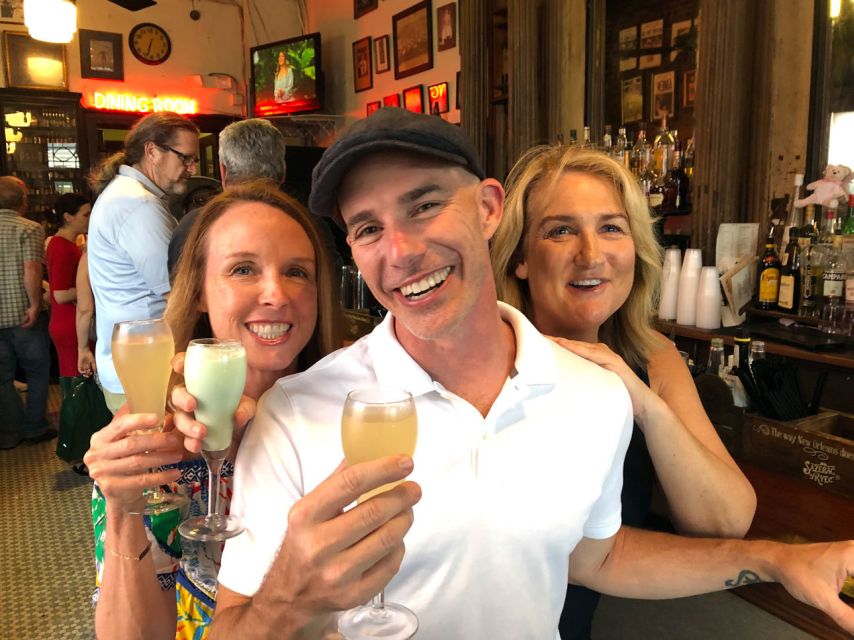
- Strong guide-led storytelling: Guides such as Beth, Mike, Ben, Cat, and Lindsay explain both cocktail origins and local history.
- A real absinthe connection: The Sazerac stop helps explain how 19th-century cocktails were once treated as medicine.
- A polished bar setting: Stops include a tropical courtyard, a former 19th-century icehouse, and cocktail bars with local character.
- No meal included: Have dinner or a substantial snack first, and bring photo ID if you look under 21.
Four drinks, four stops, and a short walk through New Orleans
This experience begins at Patrick’s Bar Vin, at 730 Bienville Street, as evening arrives in the French Quarter. You meet your English-speaking guide, settle into the first bar, and start with a drink rather than a long lecture.
The route includes four cocktail stops. Each stop lasts about 40 minutes, and the walks between them take roughly five minutes. That rhythm matters. You have time to listen, taste, ask questions, and enjoy the room, but you are not left standing on a street corner while the guide gathers the group.
The tour is about three hours in total and ends back at the starting point. There is no hotel pickup or drop-off, so you will need to make your own way to Bienville Street. Since the route stays within the French Quarter area described for the experience, the short walking sections are easy to fit into an evening in the city.
More History Tours in New Orleans:
- New Orleans Garden District History Walking Tour
★ 5.0 · 2,879 reviews - French Quarter Historical Sights and Stories Walking Tour
★ 5.0 · 2,724 reviews - New Orleans Small-Group Haunted History Carriage Tour
★ 4.5 · 2,289 reviews
Stop one: rum punch in a tropical courtyard
The first cocktail is a homemade rum punch, presented as the first popular drink containing booze. That framing gives the opening stop a broad starting point. Instead of beginning with a single New Orleans recipe, your guide sets up the larger story of how mixed drinks developed.
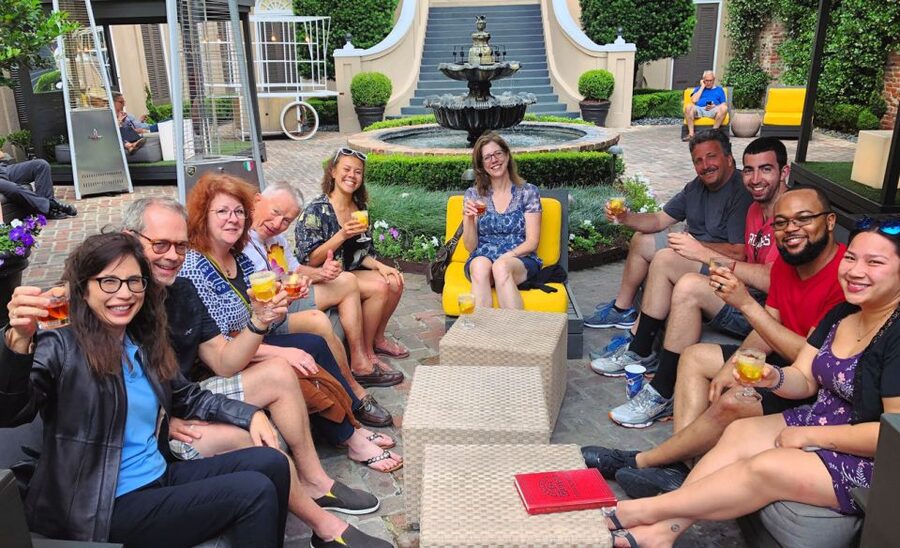
The setting is Patrick’s Bar Vin, a luxurious wine bar with a tropical courtyard. It is a gentler beginning than a loud late-night bar. You can get comfortable, meet the rest of the group, and let the guide explain the basic ideas behind cocktails before the more local recipes appear.
I like starting with rum punch because it makes the subject approachable. You do not need to know anything about bitters, apothecaries, or pre-Prohibition drinking culture. The first glass gets everyone involved, while the guide fills in the background.
The opening stop also gives you a chance to decide how quickly to drink. This is important because four cocktails arrive during the evening. You do not need to treat each one like a race. Sipping slowly will help you enjoy the flavors and remember the stories.
Stop two: Sazerac, Brandy Crusta, and the medicine cabinet
After about five minutes on foot, the group reaches 3rd Block Depot, a modern saloon set in a 19th-century icehouse. That combination of old building and current bar gives this stop a useful sense of place, even before the drink arrives.
Here, you choose between a classic Sazerac and a Brandy Crusta. The Sazerac is tied to a Creole apothecarist in the 19th century, when cocktails were connected with medicine. This is also the point where the tour tackles the real story of absinthe, rather than treating it as a cartoonish green spirit surrounded by myths.
The Sazerac is one of the drinks most closely linked with New Orleans, so this stop will appeal to anyone who wants the city’s cocktail identity explained in context. You learn how a drink can become part of a city’s public image, while also hearing about the older habits and ingredients that shaped it.
The Brandy Crusta offers a different path through the same period. It is another pre-Civil War drink, giving you a taste of the period before Prohibition and before modern cocktail menus settled into familiar categories.
The choice between the two is a small but useful detail. If you have already tried a Sazerac elsewhere, the Brandy Crusta may give you a less familiar style. If the Sazerac is on your New Orleans wish list, this is a natural place to try it with some background attached.
Stop three: Peychaud’s Bar before Prohibition
The third five-minute walk leads to Peychaud’s Bar, where the drinks move toward the years just before Prohibition. The stop includes either a Pimm’s Cup or an Ojen Frappé, two choices that show a lighter and more refreshing side of the city’s drinking culture.
The Pimm’s Cup is refreshing and easy to approach, especially if you are beginning to feel the weight of the earlier drinks. The Ojen Frappé is tied to Carnival time and offers a more unusual taste for anyone who wants to try something less familiar.
This stop helps prevent the tour from becoming a simple parade of heavy, spirit-forward classics. The drinks vary in character, and that variety is one reason the four-stop format works. You are not drinking four versions of the same thing.
Peychaud’s Bar also fits the tour’s larger aim: connecting local names and customs with the wider history of cocktails. Your guide explains the drinks as products of their time, not just as recipes to copy at home.
The guides are a major part of this section. Beth is praised for using books and articles to explain the past in plain language. Mike is noted for linking cocktail history with practical New Orleans suggestions, including places to eat and things to do after the tour. Ben is described as funny and informative, while Cat is praised for a natural, easy manner. Lindsay is also singled out for keeping the group engaged.
That range matters because cocktail history can become dry if it is delivered like a lecture. The best guides keep one foot in the facts and the other in the room, pointing out why a drink matters while letting you enjoy the evening.
Same streets, a different century:
- New Orleans Haunted History Ghost Tour
★ 4.5 · 2,084 reviews - Paddlewheeler Creole Queen Historic Mississippi River Cruise
★ 4.5 · 1,948 reviews - New Orleans Food and History Walking Tour
★ 5.0 · 1,544 reviews - New Orleans: Creole Queen History Cruise with Optional Lunch
★ 4.3 · 1,112 reviews
Stop four: Roffignac and local jazz at Bourbon O Bar
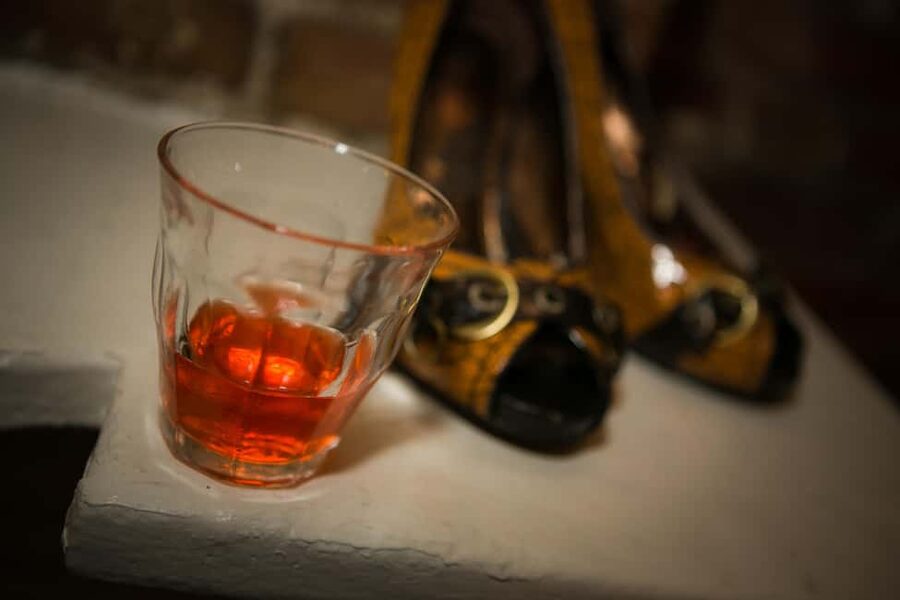
The final stop is Bourbon O Bar, where you try the Roffignac highball. It is a less familiar drink, linked to the city’s last French-born mayor. Ending with this obscure local favorite gives the tour a stronger sense of discovery than finishing with only the city’s most famous cocktail.
The Roffignac is also a useful reminder that New Orleans drink culture is wider than the Sazerac. Some of the city’s best stories belong to drinks you may not see on every bar menu. The guide explains the connection, and you finish with a cocktail that has a clear local tie.
Bourbon O Bar serves local food, but food is not part of the tour price. The stop does give you the option of buying something separately, and a live local jazz band begins at 8 p.m. If your tour reaches Bourbon O after that time, the music can add a pleasant final note. The exact timing depends on the start time, so do not book this experience solely for the band.
Ending here also gives you a natural choice. You can stay for food or music, or leave once the formal tour is over. The activity itself ends back at the starting point, so check the timing before making firm plans for the rest of your night.
What the cocktail history adds to the evening
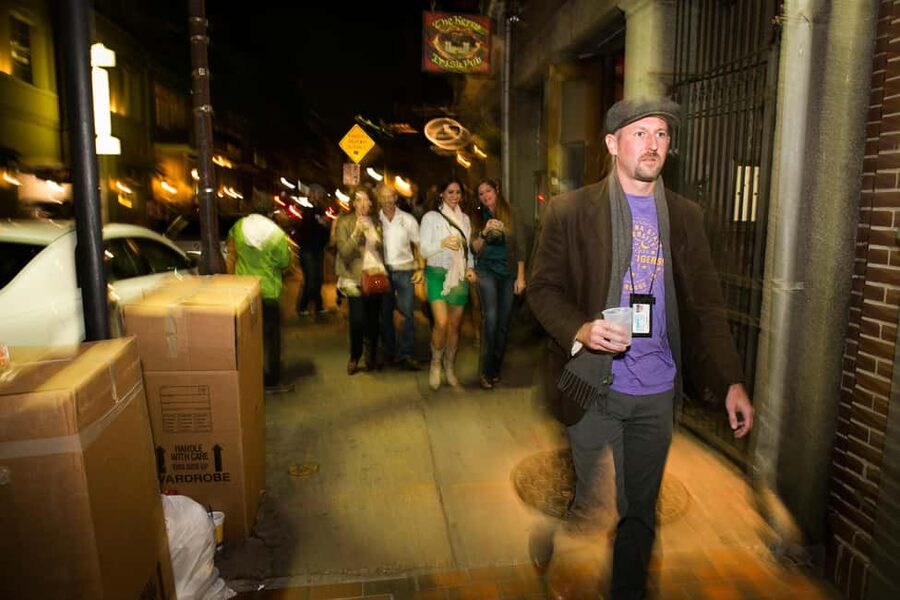
The strongest feature is not simply the number of drinks. It is the way the guide explains the wider story around them.
You hear about cocktails before Prohibition, the link between early drinks and medicine, absinthe, local apothecaries, Carnival customs, and the city’s French connections. That context gives each glass a purpose. The rum punch opens the general story, the Sazerac and Brandy Crusta point to earlier formulas, the Pimm’s Cup and Ojen Frappé show another side of the period, and the Roffignac brings the history back to a specific New Orleans figure.
I also like the way the tour connects the bars themselves to the experience. You are not moving through anonymous tasting rooms. The first venue has a tropical courtyard, the second occupies an old icehouse, and the final bar may have live jazz. These places give the guide something concrete to talk about and make the evening feel like a walk through the French Quarter rather than a classroom with drinks.
The experience is relaxed by design. You can ask questions, compare drinks, and talk with the people in your group. Several guides are praised for knowing the bartenders and staff, which helps the stops feel connected to the local bar scene.
The value of four cocktails for $95
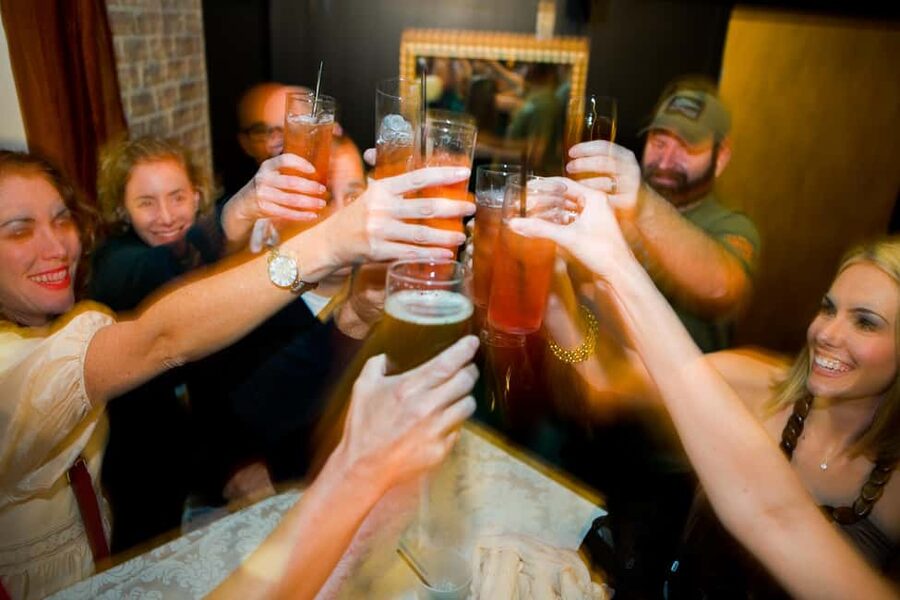
At $95 per person, this is not a cheap way to drink in New Orleans. The price includes the local guide, four cocktails, and gratuities for the servers and bartenders. It does not include food or a tip for your guide.
The value depends on what you want from the evening. If you would simply order four standard drinks on your own, you could likely spend less or more depending on the bars. But doing that would not provide the guide’s explanations, the planned route, or the chance to taste several older and less common recipes in a logical sequence.
The cost makes more sense for someone who would otherwise pay for a cocktail at several well-regarded bars and wants the history explained along the way. It is also a good use of one evening if you are new to New Orleans and want an introduction to both the French Quarter and the city’s drinking traditions.
The price is less appealing if you do not care about cocktail history, prefer to choose your own food stops, or drink very slowly. Four cocktails are included, and you are paying for that full tasting format. If you plan to skip several drinks, the experience loses some of its value.
Who will enjoy this tour most
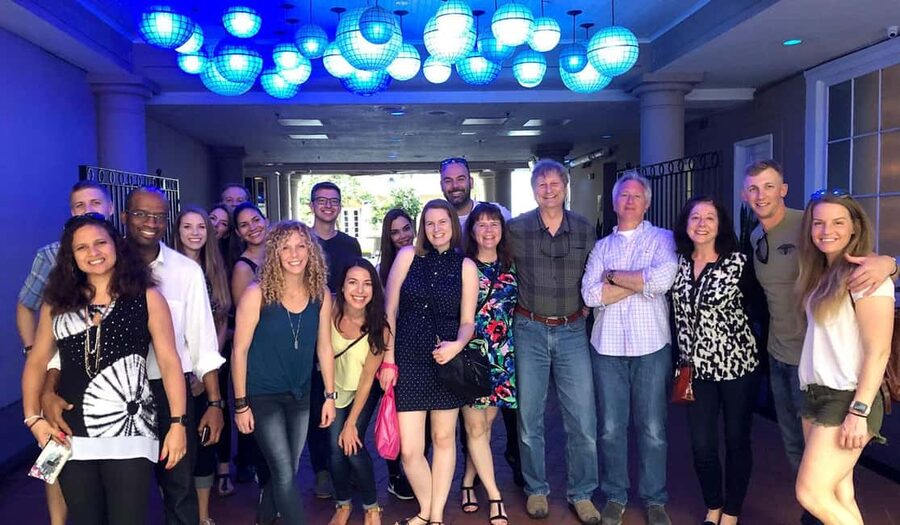
I would choose this tour for an adult who enjoys drinks with a story attached. It suits first-time visitors who want a structured introduction to New Orleans, as well as repeat visitors who have already seen the main sights and want a more specialized evening.
It is particularly useful if you are curious about:
- Classic cocktails and pre-Prohibition recipes
- The Sazerac and the history of absinthe
- New Orleans connections to Carnival, apothecaries, and French culture
- Good bars with atmosphere rather than loud party venues
- A guided experience that combines walking, drinking, and local history
You must be at least 21, and your guide may ask for identification. Bring a passport or ID card. The activity is listed as wheelchair accessible, though the route includes short walks between venues, so it is sensible to confirm any specific access needs when booking.
I would not choose it for children, anyone avoiding alcohol, or someone looking for a food tour. It is also not the right pick if you want a late-night party crawl. The tone is more cultured and conversational, with the focus on drinks and stories.
Practical ways to enjoy the evening
Eat before you arrive. This is the single most useful tip. Food is not included, and four cocktails can catch up with you quickly, even when the drinks are served over three hours.
Give yourself time to reach 730 Bienville Street. The meeting point is Patrick’s Bar Vin, and the activity returns there at the end. Since no transportation is provided, plan your route to and from the French Quarter separately.
Check the starting time carefully. The tour lasts three hours, and the jazz at Bourbon O Bar begins at 8 p.m., but not every start time will line up with the music. Treat the band as a possible bonus, not a guaranteed part of the tour.
Keep an open mind about the exact bars and drinks. The planned experience features the venues and cocktails described above, but one participant found that the actual stops did not always match the description exactly. The replacement venues and drinks were still well received, but you should book for the guided cocktail-history experience rather than for one single bar or recipe.
The guide’s tip is optional and not included. Server and bartender gratuities are covered, which makes the $95 price easier to understand, but you may still want cash or another payment method available for your guide.
Should you book the New Orleans Cocktail History Tour?
Book it if you want four substantial tastings, a short French Quarter walk, and a guide who can explain why New Orleans cocktails matter. The strongest reason to go is the combination of unusual drinks and lively storytelling. You may leave with a new favorite, a better sense of the Sazerac, and a list of bars or food stops for later.
Think twice if you want dinner included, dislike drinking several cocktails in one evening, or need a fixed promise of a specific bar and recipe. For everyone else, the three-hour route offers a well-paced way to spend an early evening, with enough local detail to make the drinks feel like part of New Orleans rather than simple refreshments.
FAQ
Where does the cocktail tour start?
The tour starts at Patrick’s Bar Vin, located at 730 Bienville Street in New Orleans.
How long does the experience last?
The tour lasts three hours and ends back at the meeting point.
How many cocktails are included?
Four cocktails are included in the price.
Is food included?
No. Food is not included, although the final stop, Bourbon O Bar, features local food that you can purchase separately.
Do I need to be 21?
Yes. You must be at least 21, and the guide may ask for a passport or other photo ID.
Is the tour wheelchair accessible?
Yes, the activity is listed as wheelchair accessible. The route also includes short walks of about five minutes between stops.
Newest history tours we have reviewed in New Orleans
- New Orleans: 1.5-Hour Voodoo History Evening Tour★ 4.5 · 34 reviews
- New Orleans: Wicked History Walking Tour with a Local Witch★ 4.3 · 29 reviews
- New Orleans: Swamp Boat Ride and Historic Plantation Tour★ 4.7 · 303 reviews
- New Orleans: Tremé African American & Creole History Tour★ 4.9 · 208 reviews
- New Orleans: Garden District Food, Drinks & History Tour★ 4.9 · 97 reviews
- New Orleans: French Quarter Saints & Sinners History Tour★ 4.6 · 56 reviews
- New Orleans: French Quarter Food History Walking Tour★ 4.9 · 713 reviews
- New Orleans: Drunk History Walking Tour★ 4.2 · 165 reviews
New Orleans History Tours, compared.
New Orleans Garden District History Walking Tour
Read our review →
French Quarter Historical Sights and Stories Walking Tour
Read our review →
New Orleans Small-Group Haunted History Carriage Tour
Read our review →
Paddlewheeler Creole Queen Historic Mississippi River Cruise
Read our review →
Creole Queen History Cruise with Optional Lunch
Read our review →
Browse the lists this tour appears in