
Review · ITALY HISTORY TOURS
Genoa: Historic Guided Tour of Christopher Columbus’ House
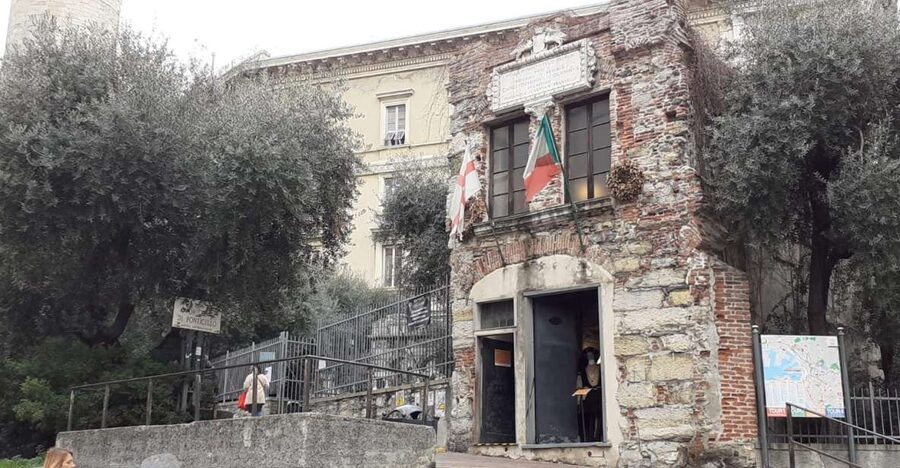
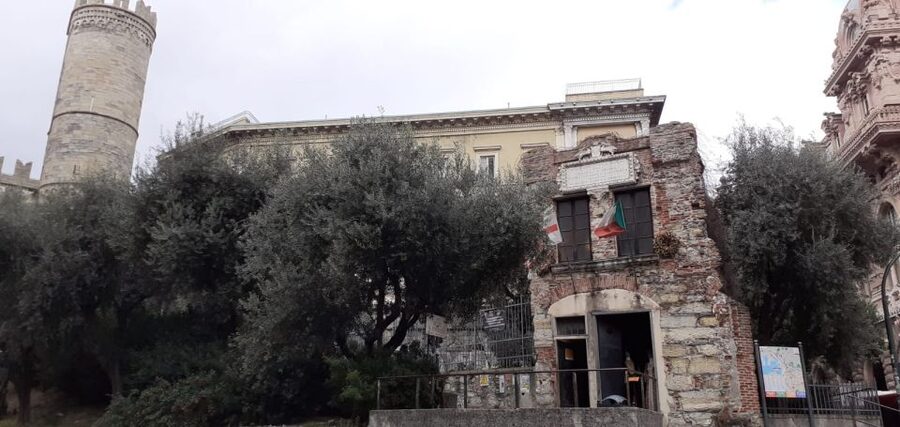
Christopher Columbus’ Genoa story begins in a small house just outside Porta Soprana, not in a grand palace. The ground floor once served as a workshop, while the family rooms sat above a wooden-beamed attic. That modest setting gives the tour a useful human scale.
I like the small groups of six, which make a short visit feel personal rather than rushed. I also like that the guide continues beyond the house to the Sant’Andrea Cloister and nearby medieval walls. The main drawback is the brief advertised duration, about 20 minutes, though some guides spend much longer with you.
Key points at a glance
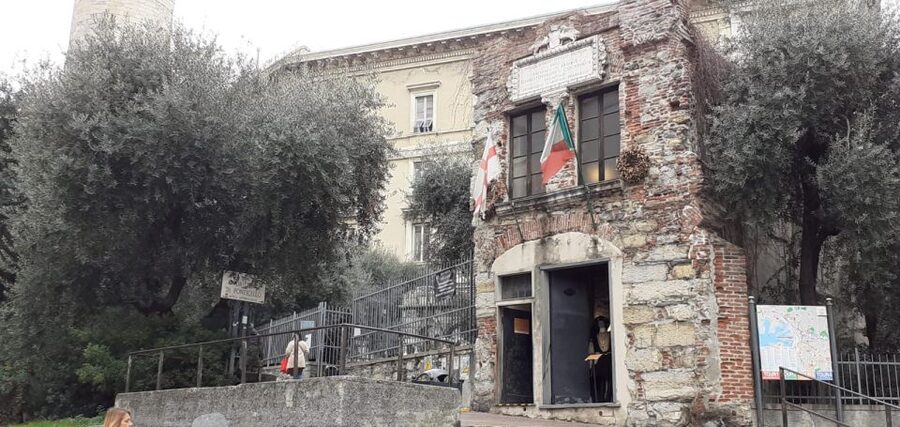
- Columbus’ family home: See the compact house linked to his childhood years in Genoa.
- A working home: Learn how the ground floor functioned as a workshop beneath the private rooms.
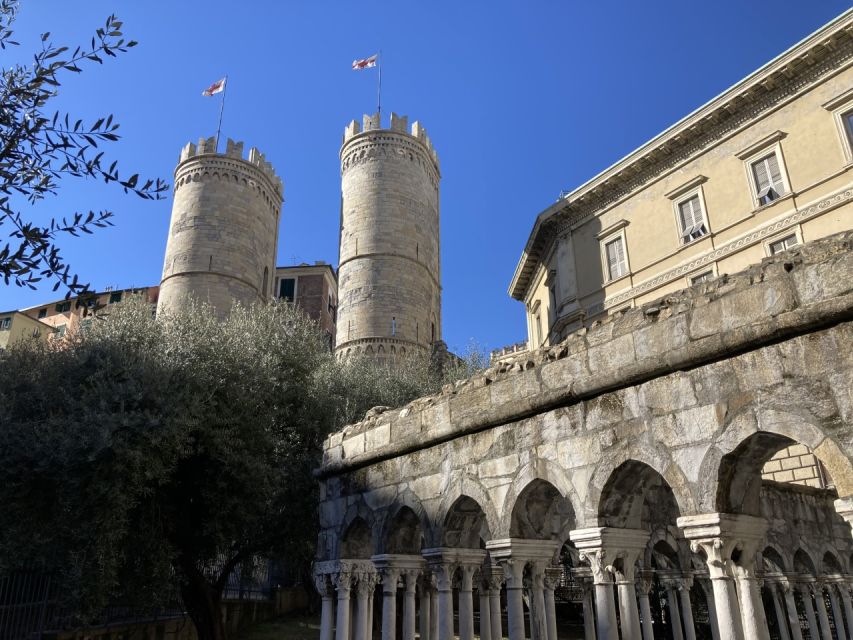
- Three medieval sights: The visit includes Casa di Colombo, Sant’Andrea Cloister, and Porta Soprana.
- Small bilingual groups: Tours are offered in English or Italian for no more than six people.
- Strong guide-led experience: Guides such as Luisa and Georgia have been praised for clear local history and archaeological context.
- Good value at $12: The low price works especially well if you want a quick historical stop near Genoa’s old center.
Why this little house matters
Genoa’s connection to Columbus can feel grand and symbolic, but Casa di Colombo is quite the opposite. It is a modest historic building tied to the family’s daily life. According to archival records, Domenico Colombo moved here in 1455, when Christopher was four years old.
That detail gives the tour its focus. You are not simply looking at a monument to an explorer. You are seeing the kind of house in which a working family lived and earned its living. The ground floor was used as a workshop, with an attic of wooden beams separating it from the upper floor.
The upper level held rooms for private use. This division between work and home helps you picture the building as a living space rather than a display case. The house is valuable less for its size than for the questions it raises about Columbus’ early years and the setting that shaped them.
I also appreciate the restraint of the presentation. The tour is not designed as a full biography of Columbus or an extended account of his voyages. It concentrates on the house, the family, and Genoa’s medieval setting. If you want a focused introduction, that is a strength. If you want a long discussion of the Americas, you may find it too short.
More Guided Tours in Italy:
- Rome: Colosseum with Arena, Roman Forum and Palatine Guided Tour
★ 4.0 · 5,598 reviews - Venice: St. Mark’s Basilica Guided Tour & VR History Intro
★ 3.9 · 4,880 reviews - Colosseum with Arena, Roman Forum and Palatine Hill Guided Tour
★ 4.5 · 3,526 reviews
Starting beside Porta Soprana
The house sits not far from Porta Soprana, just outside the ancient medieval walls. This makes it easy to pair with a walk through Genoa’s old center, especially if you are already exploring the area around the historic gate.
Porta Soprana helps explain why the location matters. The house is not isolated from Genoa’s past. It sits in an area still regarded as the medieval heart of the city, where old defenses, religious buildings, and narrow urban spaces come together.
Your meeting instructions are important: meet the guide inside the venue, not outside or in the nearby area. That wording is easy to miss, and one visitor specifically wished it had been made clearer. Arrive with enough time to find the entrance without turning the start of a 20 minute tour into a guessing game.
The ticket is valid only on the date booked. The activity also allows cancellation up to 24 hours before the scheduled time and offers a reserve now, pay later option. Those policies give you some flexibility, but they do not remove the need to arrive on the correct day.
Inside Casa di Colombo
The house visit is the core of the experience. The guided portion is advertised at 15 to 20 minutes, with the full activity generally listed as about 20 minutes. In practice, the length can vary. Some guides have spent closer to 30 minutes, while others have continued for nearly an hour when including the nearby wall area and cloister.
Inside, expect an explanation of the building’s structure and use. The ground floor workshop is one of the most interesting details because it places the family in an ordinary working environment. The wooden-beamed attic above it divides the practical part of the house from the private rooms.
That arrangement lets the guide talk about the building as architecture and as a home. The visit is not only about who lived there. It is also about how the house worked, how it was arranged, and how its reconstruction affects what you see today.
The building itself has been rebuilt, and the process of reconstruction is part of the explanation. A good guide will help you separate what is directly tied to the historic structure from what reflects later work. This is where the quality of the guide matters most.
Luisa has been singled out for a thorough explanation, while Georgia has been praised for extending the visit to the surrounding sights. One guide was an archaeologist, bringing a careful approach to evidence and interpretation. That kind of background is useful here, since the house is small and the details need context.
The Sant’Andrea Cloister and medieval walls
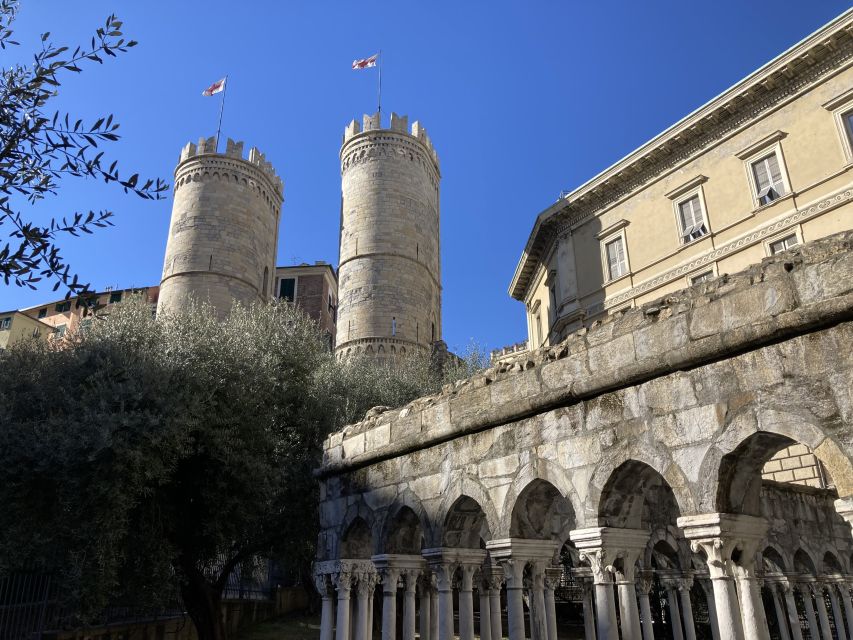
The experience does not end when you leave the house. The guide also takes you to the Cloister of Sant’Andrea, rebuilt in the area behind Casa di Colombo and Porta Soprana.
This addition is one of the best reasons to book a guided visit rather than simply glance at the building from outside. A cloister can look plain at first, especially if you do not know what to notice. The guide points out details that you might otherwise walk past.
The cloister also broadens the visit. You move from one family’s home to the larger medieval setting around it. The nearby walls and gate show how the area functioned as part of Genoa’s defended city, while the cloister adds a religious and architectural layer.
The walk is short, but it helps connect the sights. One guide described the area through several centuries of history meeting in one place. That is a useful way to understand the stop: it is not three unrelated attractions, but a compact lesson in how Genoa grew around its homes, walls, and religious buildings.
Do not expect a major museum circuit. This is a small cluster of sites, and the value comes from the explanation. Without a guide, you may spend only a few minutes looking around. With one, the same spaces become easier to read.
More History Tours in Italy:
- Colosseum: Underground and Ancient Rome Tour
★ 4.7 · 12,691 reviews - Colosseum & Ancient Rome with Arena Floor Option I Max 6 People
★ 5.0 · 3,306 reviews - Rome: Colosseum, Ancient Rome Tour or AudioGuided Tour
★ 4.4 · 2,879 reviews - Colosseum Underground & Ancient Rome Guided Tour
★ 4.5 · 2,590 reviews
What the small group changes
The group limit is six people. That is a strong fit for a site this size, where a large crowd would make it hard to hear or see the guide.
A small group also gives you room to ask about the parts that interest you. You can focus on the building’s reconstruction, Columbus’ family, the workshop, or the medieval surroundings. The visit can feel more like a conversation than a speech.
This matters even more because the tour is short. A large group often needs more time for everyone to gather, hear instructions, and move between rooms. With only a few participants, the guide can keep the pace brisk and still respond to questions.
The experience has also worked well for families and very small parties. One family of three received a personalized visit and was shown the areas that interested them most. That does not mean every tour will be private, but the six person limit gives you a better chance of direct contact with the guide.
Guide quality is the main value
At $12 per person, this is an easy activity to justify if you are already near Porta Soprana. The house alone is small, so the price is not paying for hours of access or a large collection. You are paying for the explanation and for the added walk through the cloister and medieval area.
That makes the guide the key part of the value. The strongest visits have included clear accounts of the house’s structure, local Genoese history, archaeology, and the family connected to the building.
Several guides have made a lasting impression. Luisa has been described as thorough and well prepared. Georgia has spent extra time at the house, the cloister, and the Barbarossa Wall area. One guide’s archaeological background helped keep the discussion careful, especially when interpreting old structures and incomplete evidence.
The general rating is 4.4 from 186 reviews, and the praise is concentrated around the guides’ enthusiasm, local knowledge, and ability to explain the area. I would not book this expecting a dramatic theatrical performance. Book it for a clear, thoughtful account of a small place that benefits from expert interpretation.
Is 20 minutes enough?
For Casa di Colombo itself, yes. The house is compact, and a concise explanation can cover the family, workshop, private rooms, wooden beams, and reconstruction without dragging.
The advertised 20 minutes also makes this easy to fit between other Genoa sights. You can use it as a quick historical stop before continuing through the medieval center. That is especially useful if you are working around a train schedule or have only part of a day in the city.
Still, you should not treat the duration as an exact promise. Some visits have lasted around 30 minutes, and one extended to nearly an hour with the surrounding sights. That extra time is a pleasant bonus if you are interested, but it may matter if you have a tight schedule.
I would allow at least 30 minutes around the booking, and more if you want to listen carefully and explore the nearby area with the guide. The tour itself is short, but meeting the guide, entering the venue, and moving to the cloister take some breathing room.
Who should book this experience?
This is a good choice for you if you like small historic sites with a strong local connection. It gives you a quick look at Columbus’ early life without asking you to commit to a long museum visit.
It also suits anyone exploring Genoa’s medieval center. Since Casa di Colombo sits near Porta Soprana, the tour can add structure to an area you might otherwise see only from the street. The guide helps you understand how the house, gate, walls, and cloister relate to one another.
Families may appreciate the brief format, especially if children are unlikely to enjoy a long lecture. The small group also makes it easier to hear and ask questions.
The visit is less suitable if you need step-free access. The activity is not recommended for people with mobility impairments or wheelchair users. Accessibility details inside the house are limited, so you should treat that restriction seriously rather than assume the compact size makes the visit easy.
You should also skip it if your main interest is Columbus’ later voyages. This tour centers on his early years, the family house, the building’s structure, and Genoa’s medieval surroundings.
Practical tips for a smoother visit
Meet inside the venue, not outside. This is the most important arrival detail, and it has caused confusion for at least one participant.
Choose the English or Italian option that suits you when booking. The live guide leads the visit in one of those two languages, and the small group makes it easier to follow the explanation.
Allow a little extra time beyond the stated 20 minutes. The visit may finish quickly, but guides sometimes extend the discussion through the cloister and nearby medieval features.
Pair the tour with Porta Soprana and a walk through the surrounding medieval area. The experience makes more sense when you see the house as part of Genoa’s old urban fabric rather than as a single isolated stop.
Finally, keep your expectations focused. This is not a full-day attraction and not a grand palace. Its appeal is the chance to look closely at a modest home and hear how it fits into the city’s past.
Should you book Casa di Colombo?
I would book this tour if you are near Porta Soprana and want a short, low-cost introduction to Columbus’ Genoese childhood. The $12 price is strong value because it includes the house, the Sant’Andrea Cloister, and a guide who can explain details you would likely miss alone.
The best reason to go is the small group and the quality of the local guiding. The main caution is the limited size of the house and the possibility that the scheduled time may feel brief. For a quick, focused stop in Genoa’s medieval center, that is a fair trade.
FAQ
Where does the tour take place?
The tour takes place at Casa di Cristoforo Colombo near Porta Soprana in Genoa, Liguria.
How long does the tour last?
The listed duration is 20 minutes, with the guided house visit taking about 15 to 20 minutes. Some visits may last longer when the cloister and nearby medieval features are included.
What sights are included?
The visit includes Casa di Colombo, the Cloister of Sant’Andrea, and Porta Soprana or the surrounding medieval wall area.
Is the tour offered in English?
Yes. The live tour guide offers the experience in English or Italian.
How many people are in each group?
The group is limited to six participants.
Where should I meet the guide?
Meet the guide inside the venue. Do not wait outside or in the nearby area.
Is the tour suitable for wheelchair users?
No. The experience is listed as unsuitable for wheelchair users and people with mobility impairments.
Can I cancel the booking?
Yes. You can cancel up to 24 hours in advance for a full refund. The ticket is valid only on the date booked.
Newest history tours we have reviewed in Italy
- Guided Cultural Tour of the Godfather Film in Messina★ 5.0 · 31 reviews
- SU NURAXI BARUMINI Unesco World Heritage Site★ 5.0 · 129 reviews
- Picnic aperitif in the vineyard of an ancient trullo in Martina Franca★ 5.0 · 21 reviews
- Brescia the Unexpected: History, Local Stories & a drink★ 5.0 · 31 reviews
- Bologna historical art walking tour with hidden gems and tastings★ 5.0 · 108 reviews
- Bolognese Cooking Class with Margherita in the Historic Center★ 5.0 · 26 reviews
- Best of Bologna in one day : Food, architecture, art and history★ 5.0 · 27 reviews
- Private or semi-private tour of the historic center of Bologna★ 5.0 · 34 reviews
Italy History Tours, compared.
Colosseum: Underground and Ancient Rome Tour
Read our review →
Colosseum with Arena, Roman Forum and Palatine Guided Tour
Read our review →
St. Mark’s Basilica Guided Tour & VR History Intro
Read our review →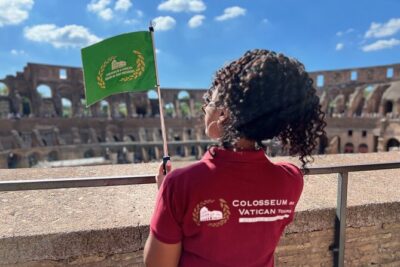
Colosseum with Arena, Roman Forum and Palatine Hill Guided Tour
Read our review →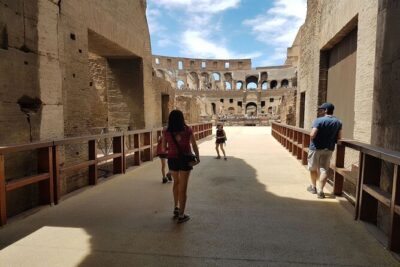
Colosseum & Ancient Rome with Arena Floor Option I Max 6 People
Read our review →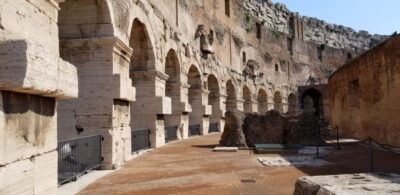
Colosseum, Ancient Rome Tour or AudioGuided Tour
Read our review →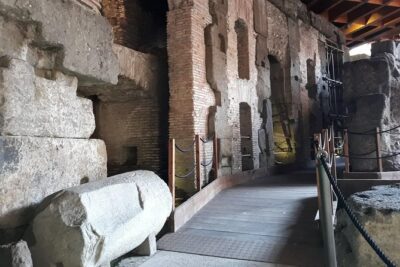
Colosseum Underground & Ancient Rome Guided Tour
Read our review →
Venice’s Best: Basilica, Doge’s Palace, Gondola & History Gallery
Read our review →Browse the lists this tour appears in