
Review · DUBAI HISTORY TOURS
Old Dubai Historic Guided Tour: Creek, Street Food & Souks
Old Dubai makes the best counterpoint to Dubai’s towers. In three to four hours, this tour takes you from an Emirati heritage house and old lanes to Dubai Creek, where wooden trading vessels still share the water with a simple abra ferry. You finish among the perfumes, spices, and gold of Deira’s famous souks.
I like two things right away: the tour gives you a useful cultural starting point with Arabic coffee and dates, and it mixes sights with small food tastings instead of treating Old Dubai like an outdoor museum. The $10 price is unusually low for a guided walk with a boat ride and several included refreshments.
The main consideration is the pace. You’ll walk on uneven streets in the heat, spend time in active shopping areas, and have limited time at some stops. This is not the best choice for wheelchair users, people with mobility impairments, infants, or anyone carrying large luggage.
Key points to know before booking
- The tour begins with Emirati hospitality: Visit a traditional house, drink Arabic coffee, eat dates, and see photographs explaining the UAE’s past.
- The abra ride is short but meaningful: Crossing Dubai Creek by traditional boat connects Bur Dubai with Deira and gives you a close look at the waterway that helped shape the city.
- Food is part of the tour: Expect Karak tea and samosas, with Arabic coffee, dates, and other local tastings included.
- The guides are the main strength: Ahmed Hussein, Nasser, Khan, Ibrahim, Hossam, and Maaz are praised for clear explanations, humor, patience, and help with bargaining.
- The souks are shopping stops, not just photo stops: You’ll have a chance to examine spices and jewelry and try negotiating with merchants.
- The value is hard to beat: For $10 per person, you get a guide, heritage-house entry, museum or heritage-site access, food, drinks, water, and the abra ride.
Why Old Dubai is worth your morning or afternoon
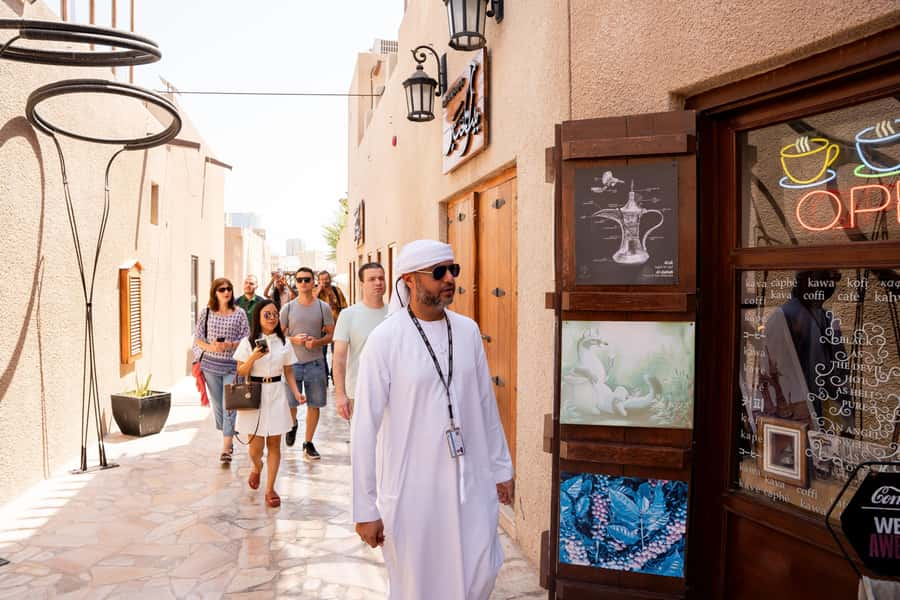
Dubai’s modern center can make the city seem newly built from glass and steel. Old Dubai tells a different story. The Al Fahidi area preserves low traditional buildings, narrow lanes, wind-tower shapes, courtyards, mosques, and shops linked to the creek.
You won’t see every part of the historic districts in great detail. Instead, you get a compact introduction that connects architecture, food, trade, religion, and family life. That is the tour’s real value. A guide can explain why the creek mattered, how trade shaped the city, and how Dubai changed so quickly without reducing the place to a collection of photo stops.
The experience suits a first visit particularly well. If you have already spent time in Dubai’s older districts, the route may feel familiar, but a good guide can still add context. The guide team includes speakers of English, German, Spanish, Italian, and French. Ibrahim, for example, is praised for his Spanish, while Maaz is noted for speaking clearly and slowly to groups with several nationalities.
More Food and History Tours in Dubai:
- Dubai Old Town, Culture, History, Street food and Souks Tour
★ 5.0 · 170 reviews - Sevilla Food Tour: Tapas, Wine, History & Traditions
★ 5.0 · 3,468 reviews - Victoria Guided Food and History Tour
★ 5.0 · 2,015 reviews
Starting with coffee, dates, and an Emirati home
The meeting point is Al Khayma Heritage Restaurant, near Sharaf DG Metro Station. If you select the pickup option, hotel collection and return are available from central Dubai hotels. Check the exact meeting details for your booking, since the starting arrangement depends on the option you choose.
The first major stop is the heritage restaurant and traditional Emirati house. You’ll receive Arabic coffee and dates before touring the house. The welcome is more than a snack. Coffee is a central part of hospitality in the UAE, and the serving ritual gives your guide a natural way to explain local customs.
Inside, photographs show earlier chapters of the country’s story. This is where the tour begins to put Dubai’s speed of change into perspective. The house helps you picture daily life before the city’s present-day skyline took shape.
Food portions are not meant to replace lunch, but they do make the history easier to connect with. Some tour descriptions and departures include extra tastes such as luqaimat or tea made with camel’s milk, though the confirmed inclusions are Arabic tea or coffee, dates, Karak tea, samosas, and bottled water.
The heritage-house stop lasts about 30 minutes. That is enough time for an introduction, but not enough for a slow museum visit. If you love detailed exhibits, you may want to return independently later.
Al Seef and the old lanes of Al Fahidi
From the heritage house, the group walks through Al Seef. This waterfront area presents traditional-looking architecture beside newer development, giving you a quick visual lesson in how Dubai packages its past for the present.
You’ll make a photo stop near Al Seef Mosque and then continue toward the Al Fahidi district. The contrast is the point. In one short walk, you see restored buildings, narrow passages, modern businesses, and the creek-facing commercial world that grew around them.
Your guide adds the details that signs cannot provide. Judith, who took the tour with guide Khan, particularly valued explanations of Dubai’s geography, culture, and past. That kind of commentary matters here because the buildings alone do not explain how the neighborhood functioned.
Expect roughly 30 minutes at Al Seef and another 15 minutes around Al Fahidi Fort. The fort stop is mainly for photos, walking, and a guided explanation rather than a long indoor visit. You’ll get a useful outline of Dubai’s development, but this is not a full archaeological tour.
Wear shoes that can handle pavement and uneven surfaces. The walk is described as easy by one participant, but the tour is still unsuitable for people with mobility impairments and wheelchair users. Comfortable clothing, sunglasses, and a sun hat are sensible choices.
Bur Dubai Souk before crossing the creek
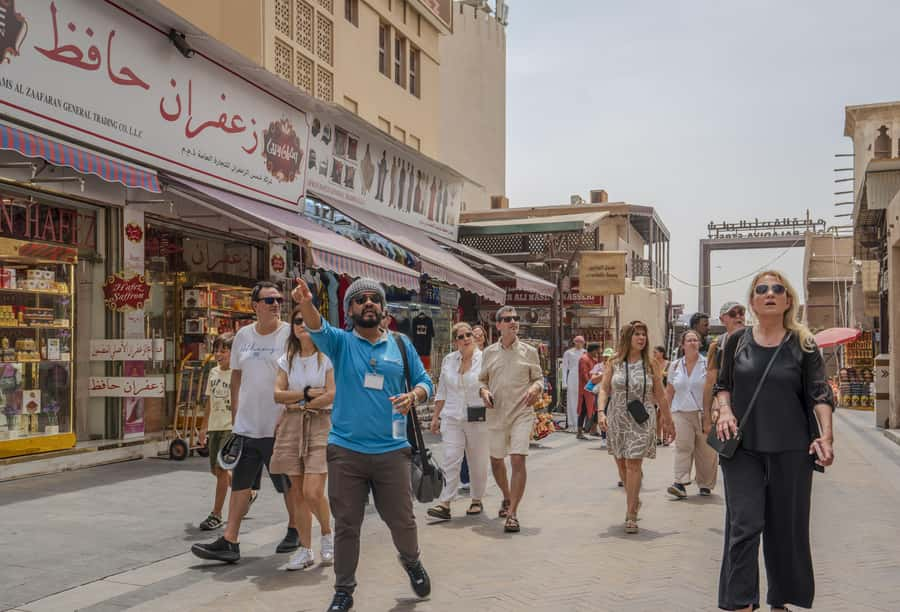
The route continues through Bur Dubai Souk, where shops and covered passages give the area a more commercial feel. You’ll have time for photos and a short explanation from your guide before reaching the abra dock.
This is a good point to ask questions. The route moves quickly, and guides such as Nasser, Hossam, and Ahmed Hussein are praised for encouraging questions rather than delivering a speech without pause. Ahmed Hussein is also noted for checking on everyone during the walk, a useful habit in the heat and in crowded lanes.
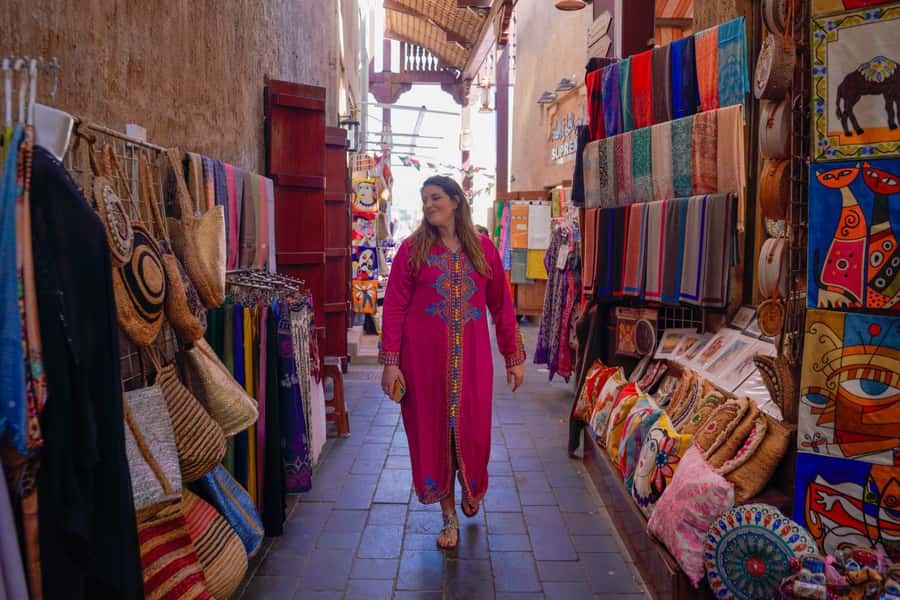
The souk can feel more aggressive than the heritage-house visit. Shopkeepers may invite you to look at scarves, souvenirs, clothing, or other goods. You are not required to buy anything. Keep your pace, listen to your guide, and treat bargaining as part of the experience rather than a contest.
The tour’s low price does not mean every purchase is a bargain. It covers the guided visit and included tastings, not shopping. If you buy something, compare prices and agree on the amount before paying.
More Guided Tours in Dubai:
- History and Hauntings of Salem Guided Walking Tour
★ 5.0 · 14,564 reviews - Edinburgh: Edinburgh Castle Guided History Tour with Tickets
★ 4.8 · 9,933 reviews - Historic Charleston Guided Sightseeing Walking Tour
★ 5.0 · 6,216 reviews - Rome: Colosseum with Arena, Roman Forum and Palatine Guided Tour
★ 4.0 · 5,598 reviews
The abra ride on Dubai Creek
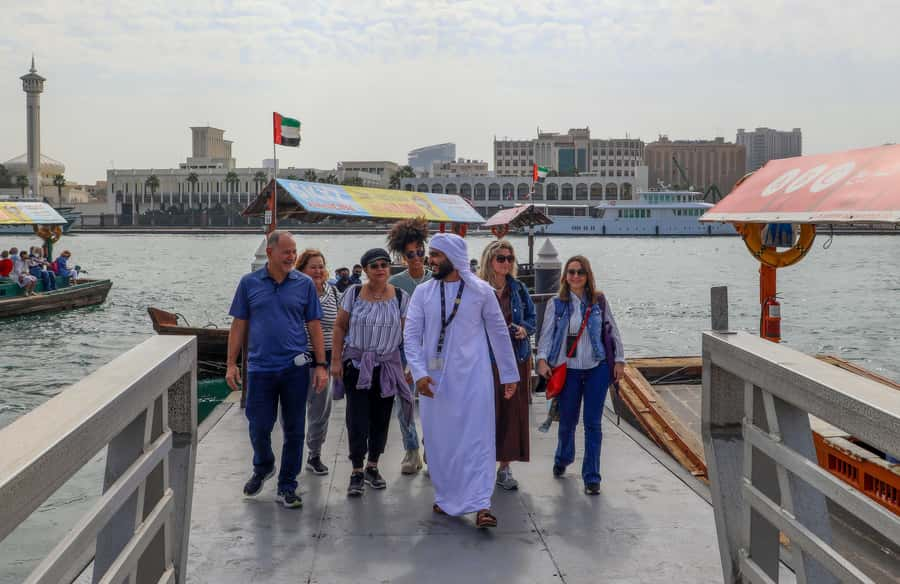
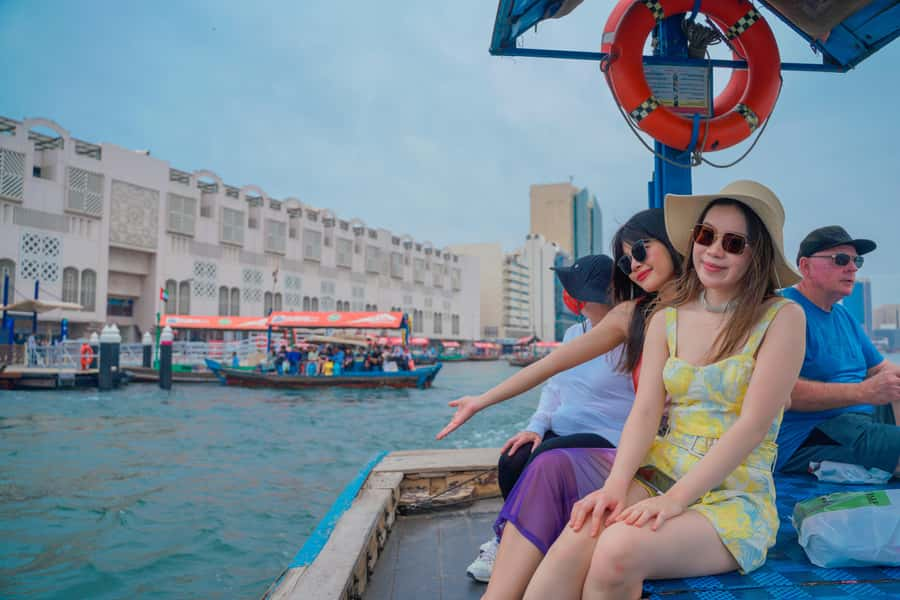
At Bur Dubai Abra Dock, you board a traditional abra for a short ride across Dubai Creek. The crossing is listed at about 15 minutes, including time for photos and views.
This is one of the tour’s most memorable pieces because it is both a ride and a lesson in geography. The creek separates Bur Dubai from Deira, and the boat gives you a direct view of the waterway that supported trade. You’ll see larger trading ships, waterfront activity, and Dubai’s newer skyline rising behind the older districts.
Do not expect a sightseeing cruise with a running commentary at every moment. The abra is a practical local boat, and part of its charm is its simplicity. You sit close to the water and watch the city pass at eye level.
The boat can also be a welcome break from walking. Still, this is an open-air activity, so a hat, sunglasses, and water are useful. The tour includes a bottle of water, but you should arrive prepared for the sun.
Spice Souk: scents, color, and salesmanship
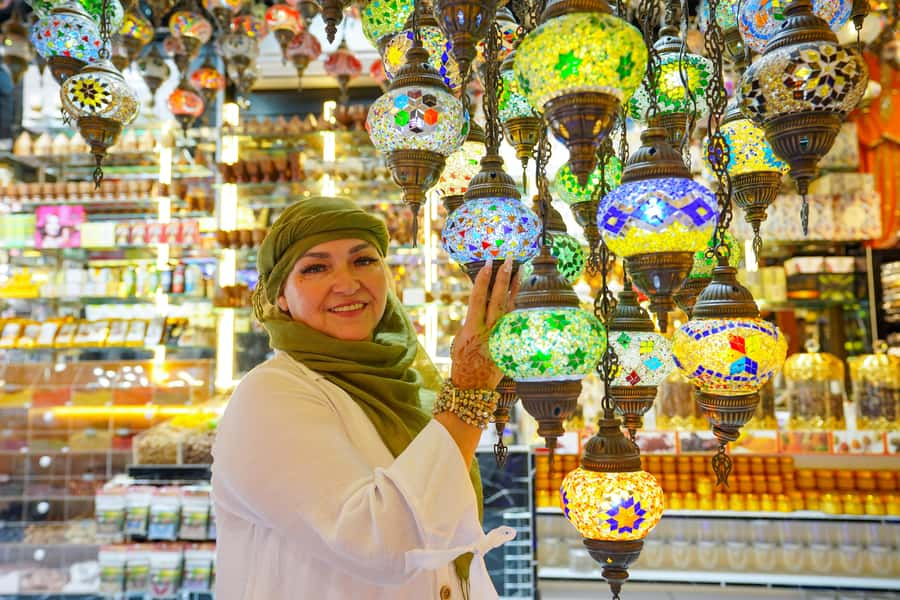
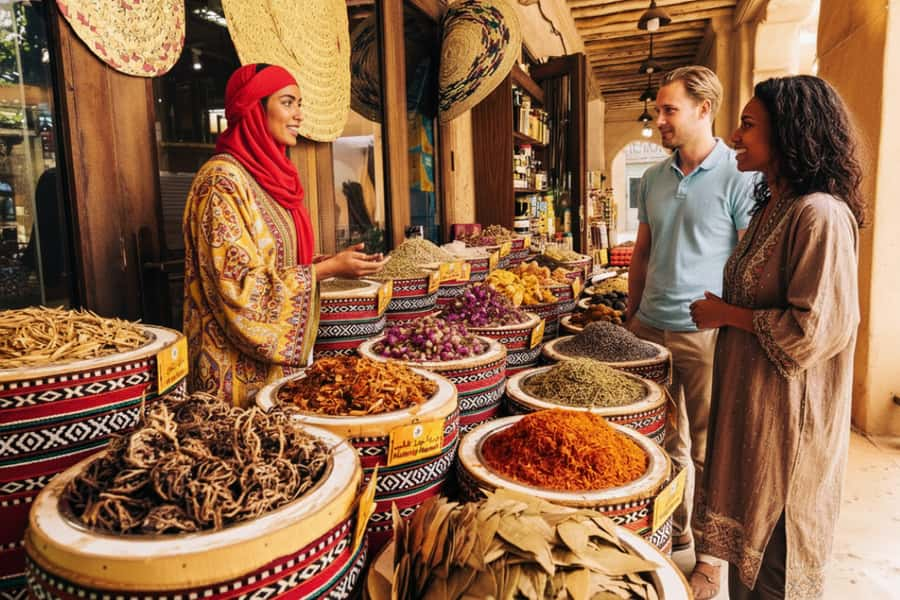
On the Deira side, the group visits the Spice Souk for about 30 minutes. This is the most sensory part of the route. You’ll see sacks, jars, and displays of spices and dried ingredients, and you can stop to smell and examine the merchandise.
The souk is a working shopping area, not a silent exhibit. Sellers may offer samples or encourage you to enter their shops. Your guide can explain what you are seeing and help you understand the bargaining process.
Several guides receive praise for practical help in the markets. Iqbal is specifically noted for assisting with negotiations, while other guides are described as friendly and generous with their time. That help can be useful if you want to buy something but are unsure how to begin.
Bargaining works best when you remain polite and realistic. Ask the price, decide what the item is worth to you, and be prepared to walk away. You do not need to accept the first offer, but you also should not treat every conversation as a battle for the lowest possible price.
The 30-minute visit gives you an introduction, not a chance to inspect every shop. If spices are your main interest, consider returning later with more time and a clear idea of what you want.
Gold Souk: the grand finale
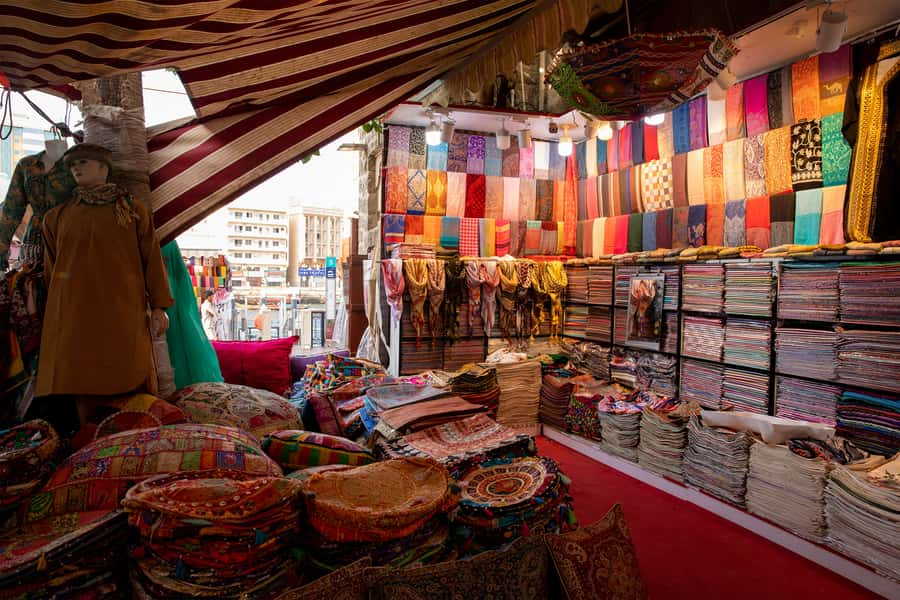
The Gold Souk is usually the final major stop. Here the visual impact comes from the scale and shine of the displays: necklaces, bracelets, rings, precious stones, and large pieces of jewelry arranged under bright lights.
You can walk through with the group, take photos where permitted, and listen to your guide explain the market. The stop lasts about 30 minutes, which is enough to see the main lanes and understand the atmosphere.
The Gold Souk is not only for shoppers. Even if you have no interest in buying jewelry, it shows another side of Dubai’s trade culture. The Spice Souk feels earthy and aromatic; the Gold Souk is polished, formal, and focused on precious materials.
If you do shop, ask about weight, workmanship, stones, and the final price. Your guide may offer bargaining advice, but you remain responsible for checking what you are buying. The tour gives you access and context, not a guarantee that every shop offers the best deal.
Some departures effectively finish around the Gold Souk, after which you may make your own way back. One practical account of the route describes returning toward Al Khayma Heritage Restaurant by abra water taxi. Confirm your exact end point and transport arrangements when booking, especially if you have a tight schedule afterward.
Food and drink: small tastes with real value
The food is modest but well chosen. Arabic coffee and dates begin the tour, and Karak tea with samosas gives you a casual taste of everyday refreshments during the walk.
Karak tea is a sweet, spiced milk tea widely enjoyed in the Gulf. It is a useful addition to the tour because it feels less formal than the coffee service at the heritage house. The samosa adds a savory snack and helps break up the walking route.
Do not book this as a food tour in the usual sense. You are tasting local items while learning about the district, not sitting down for a full meal. If you need a substantial lunch, plan one before or after the tour.
The food also makes the $10 price more impressive. A paid heritage visit, multilingual guide, drinks, snacks, water, and boat crossing would normally add up quickly if arranged separately. You are paying for an efficient introduction rather than luxury or extensive time at each location.
Guide quality makes the difference
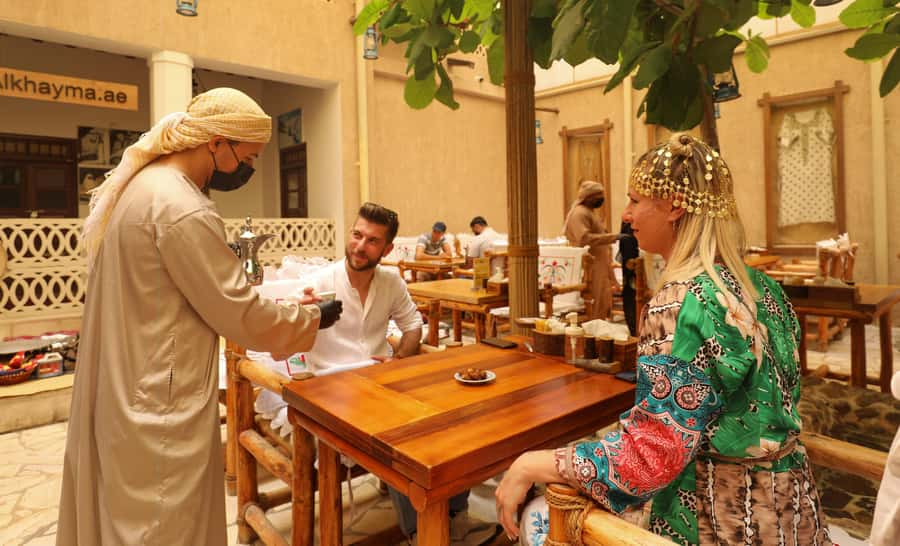
The guide can shape this experience more than any single stop. The strongest guide feedback centers on clear storytelling, warmth, humor, and attention to the group.
Ahmed Hussein is praised for explaining culture and checking on participants. Nasser is described as cheerful, helpful, and well informed. Khan receives credit for making geography and history easy to follow, while Hossam is praised for creating a welcoming atmosphere. Ibrahim is a strong choice for Spanish speakers, and Maaz is noted for careful, understandable delivery.
Those details matter because the route covers several subjects in a short period. You need someone who can explain without turning the walk into a lecture. The best version of this tour helps you connect the house, mosque, fort, creek, food, and markets into one clear story.
The stated rating is 4.9 from 156 ratings, with strong praise across many nationalities. One four-star rating still describes the tour as interesting and enjoyable, which is a useful reminder that no guided walk suits every pace or expectation. The overall pattern points to consistently good guiding, but your exact experience will depend on the assigned guide and group.
Timing, comfort, and who should book
The tour lasts three to four hours, with starting times based on availability. Morning departures are generally the easiest choice for walking comfort, while an evening option can offer a different feel in the souks. If you choose the 5:00 PM tour, the Coffee Museum cannot be visited.
You should bring comfortable shoes, sunglasses, a sun hat, and comfortable clothes. Large bags and luggage are not allowed, and baby strollers are not permitted. The tour is not recommended for children under two or for people with mobility limitations.
I would recommend it to first-time visitors, couples, solo visitors, families with older children, and anyone staying in modern Dubai who wants a quick connection to the city’s older quarters. It also suits repeat visitors. One participant who had been to Dubai many times found the tour gave new meaning to familiar surroundings.
The multilingual guide options make it practical for international groups. The optional hotel pickup is useful if you are staying in central Dubai, though meeting at Al Khayma Heritage Restaurant near Sharaf DG Metro Station is straightforward for many visitors using the metro.
Free cancellation up to 24 hours before the experience and reserve-now, pay-later booking add flexibility. Those policies are helpful if your Dubai schedule may shift, but check the selected departure and pickup option carefully.
Is this Old Dubai tour worth booking?
Yes, if you want an inexpensive, well-organized introduction to Dubai’s older neighborhoods. The combination of heritage house, local snacks, creek crossing, and souks gives you more variety than a basic walking tour, and the $10 price offers excellent value.
Book it with realistic expectations. You will not get hours inside every museum, a full meal, or a quiet private walk. You will walk in the heat, encounter active sales pitches, and move at a group pace.
I would choose this tour early in a Dubai visit. It gives you context for the city before you spend the rest of your trip among skyscrapers, malls, and resort beaches. If you want a short cultural outing with food, transport, and a guide included, this is an easy choice.
FAQ
How long does the Old Dubai tour last?
The tour lasts about three to four hours. Starting times depend on availability.
Where does the tour meet?
The meeting point is Al Khayma Heritage Restaurant. The nearest metro station is Sharaf DG Metro Station. Pickup and drop-off are available as an optional choice from central Dubai hotels.
What food and drinks are included?
The tour includes Arabic tea or coffee, dates, Karak tea, samosas, and bottled water. Some food descriptions also mention extra tastings such as luqaimat or camel’s-milk tea, but the confirmed inclusions are the items listed above.
Is the abra boat ride included?
Yes. A traditional abra ride along Dubai Creek is included in the tour.
Which languages are available?
Live guides are available in English, German, Spanish, Italian, and French.
Is the tour suitable for wheelchair users or young infants?
No. The tour is not suitable for wheelchair users or people with mobility impairments, and it is not recommended for children under two. Baby strollers and large bags are not allowed.
Newest history tours we have reviewed in Dubai
- Dubai Half Day Tour: Discover Old Dubai’s Heritage & Culture★ 4.5 · 97 reviews
- Dubai: Dubai Frame Where Heritage Meets Modernity★ 4.0 · 25 reviews
- Hatta Mountain Tour, Hatta Dam, Heritage Village, Honeybee Garden★ 5.0 · 23 reviews
- Historic Old Dubai & Souk Small Group Walking Tour★ 5.0 · 156 reviews
- 57 Heritage Safari with Dune Buggy★ 5.0 · 29 reviews
- Private Historic Old Dubai and Souks Walking Tour featuring Hidden Gems★ 5.0 · 27 reviews
- Private Full Day Hatta Visit Dam Heritage Village Lake★ 5.0 · 28 reviews
- Private Full Day Old Heritage & Modern Dubai City Tour with Lunch★ 5.0 · 30 reviews
Food & History Tours, compared.
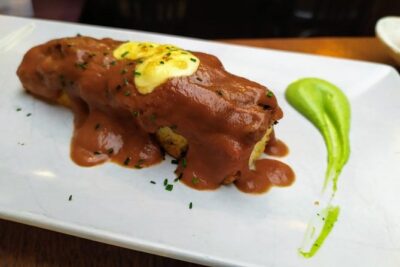
Sevilla Food Tour: Tapas, Wine, History & Traditions
Read our review →

Dublin Historical Centre Food Tour with 8 Food Tastings & Drinks
Read our review →



Boston Pizza Lovers Food and History Walking Food Tour
Read our review →
Rome Food Tour in the Historic Centre with 8+ Food Tastings
Read our review →Browse the lists this tour appears in