
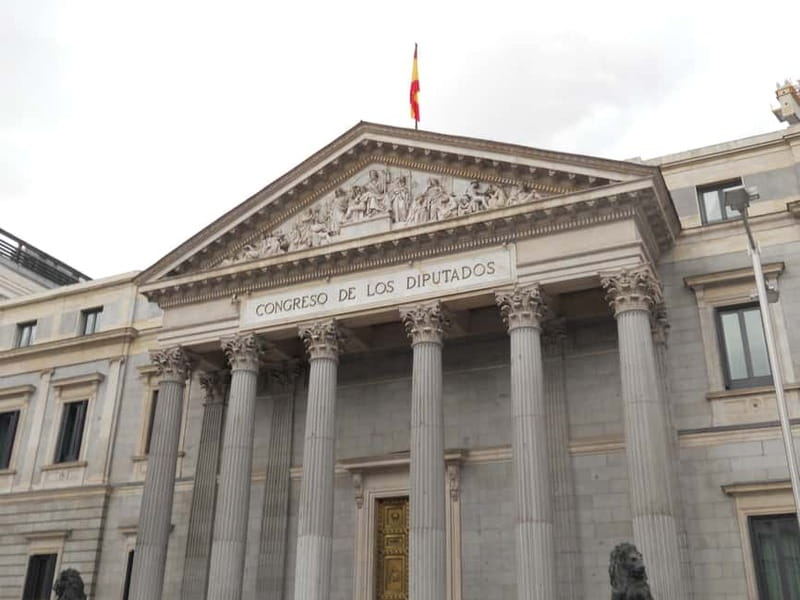
Review · MADRID HISTORY TOURS
Madrid: Tour of the Historic City Center
Madrid’s old center is best understood on foot, one narrow street at a time. This 3.5-hour walk follows the city shaped by the Habsburg dynasty, linking grand squares and royal buildings with quiet lanes, old convents, market stalls, and tapas streets. You get the big sights, but also the small details that are easy to miss on your own.
I like the way the tour connects architecture with everyday life, rather than treating Madrid as a row of monuments. I also like the practical help: guides such as Anne and Silvia offer restaurant ideas, point out tourist traps, and suggest places to explore after the walk. The main consideration is language: the tour is offered in German, and the long walking route takes place rain or shine.
Key things to know before you book
- A full walk through Habsburg Madrid: The route covers Puerta del Sol, the Royal Palace, Almudena Cathedral, Plaza Mayor, the Literary Quarter, and many smaller historic stops.
- Useful local advice: Expect restaurant suggestions, tapas guidance, warnings about tourist traps, and recommendations for the rest of your stay.
- A strong architecture focus: Spanish architects designed the route to explain both Madrid’s past and the design of its buildings.
- A look beyond the headline sights: Cava Baja, the Carboneras convent, Plaza de la Paja, and the Torre de los Lujanes add texture to the walk.
- German-speaking guides: The advertised language is German. Guides named in the experience include Anne and Silvia B.
- Good value for a long city walk: At $47 per person for 211 minutes, the price makes the most sense if you want context, personal advice, and a carefully connected route.
Starting beneath the bear at Puerta del Sol
The tour begins at the bear statue in Puerta del Sol, one of Madrid’s most useful central meeting points. This is not just a convenient place to gather. It is a lively crossroads and a good introduction to the way Madrid works, with major streets spreading out toward the older quarters and newer parts of town.
From here, the guide sets the historical frame. Madrid’s old center grew strongly under the Habsburg rulers, and the route helps you see how royal power, religion, trade, and ordinary street life shaped the city. I appreciate this kind of beginning because it gives the rest of the walk a clear purpose. You are not simply ticking off buildings. You are watching the city develop around them.
The first section passes the Church of San Ginés and the Convent of Las Descalzas Reales. These stops help balance the better-known royal sights. San Ginés brings religious and urban history into the walk, while Las Descalzas Reales points to the power and wealth held by religious institutions.
The route then leaves the widest, busiest paths whenever possible. In the narrower streets, your guide can point out how Madrid’s older center differs from its grand public squares. The walk is designed to include the architectural value of the buildings, so look up as you go. Facades, towers, doorways, and the changing width of the streets all help tell the story.
More History Tours in Madrid:
- Madrid Essential: Historic Center, Plaza Mayor & Royal Palace
★ 5.0 · 6,416 reviews - Madrid Tapas & Taverns Small Group Food & History Tour
★ 5.0 · 2,664 reviews - Madrid Historical Tour with Local Guide in Eco Tuk Tuk Private
★ 5.0 · 876 reviews
Royal Madrid at the palace and cathedral
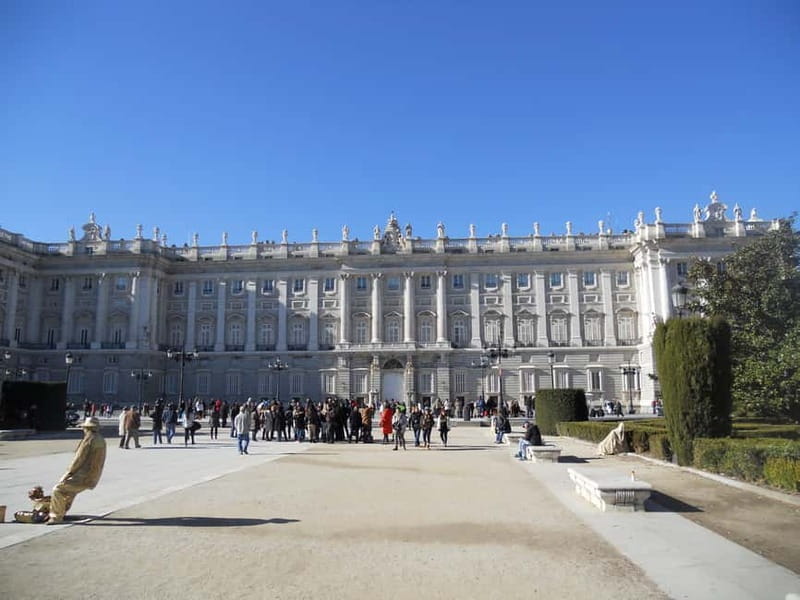
The Royal Palace of Madrid is one of the tour’s major sights. You see the palace from the outside and learn about its place in the city’s history. Since entrance fees are not included, this experience should be understood as a guided city walk rather than a palace interior visit.
That distinction matters when you plan your day. If you want to tour the palace rooms, you will need to arrange a separate ticket and allow extra time. The advantage of seeing it as part of this walk is that you can understand the building in relation to the surrounding streets and institutions before deciding if you want a closer look later.
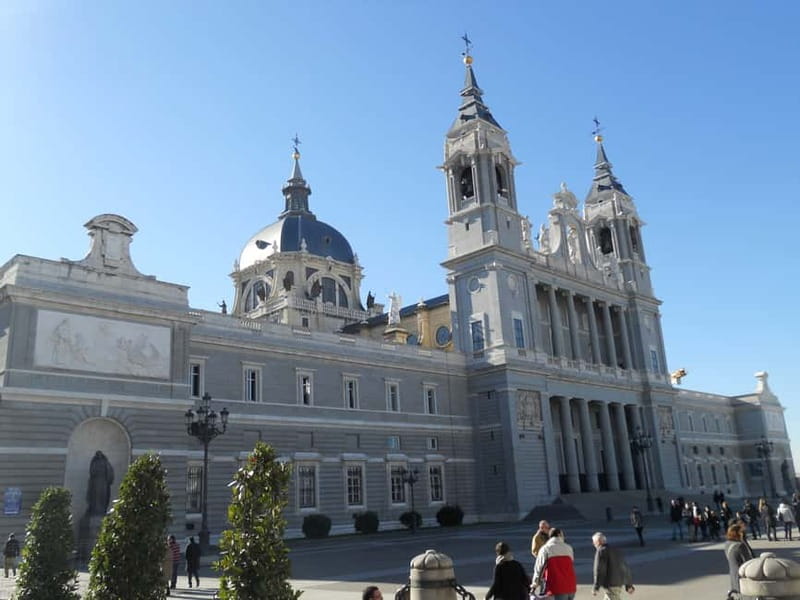
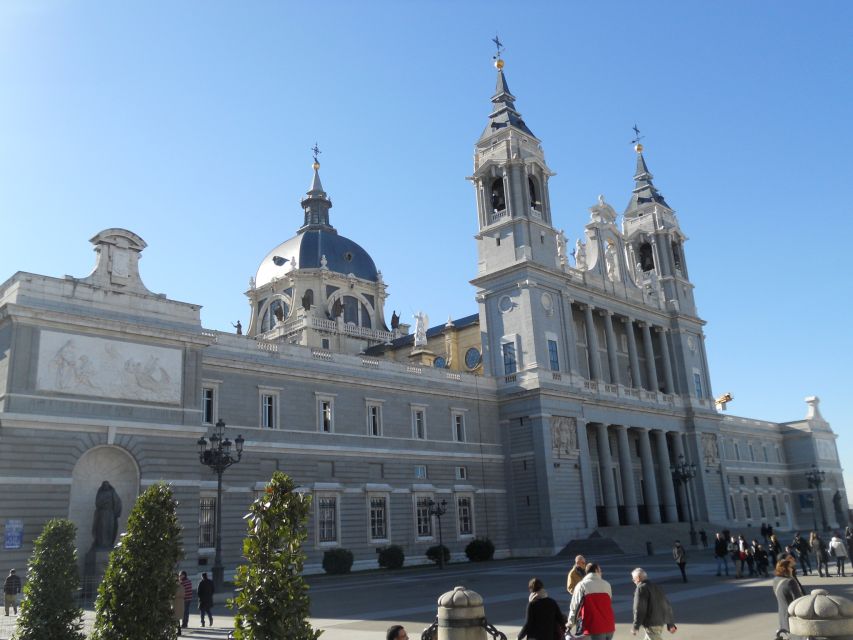
Almudena Cathedral follows as another major landmark. The cathedral gives the route a strong visual contrast with the palace and helps explain the religious side of Madrid’s public center. Your guide also places these buildings within the wider story of the monarchy and the people who lived under it.
One detail I value here is the balance between formal history and human anecdotes. The tour is not meant to bury you under dates. Information from the experience points to a measured pace, with time for questions and individual interests. That can make a large building easier to remember than a long lecture would.
The Palace of the Councils and Plaza de la Villa
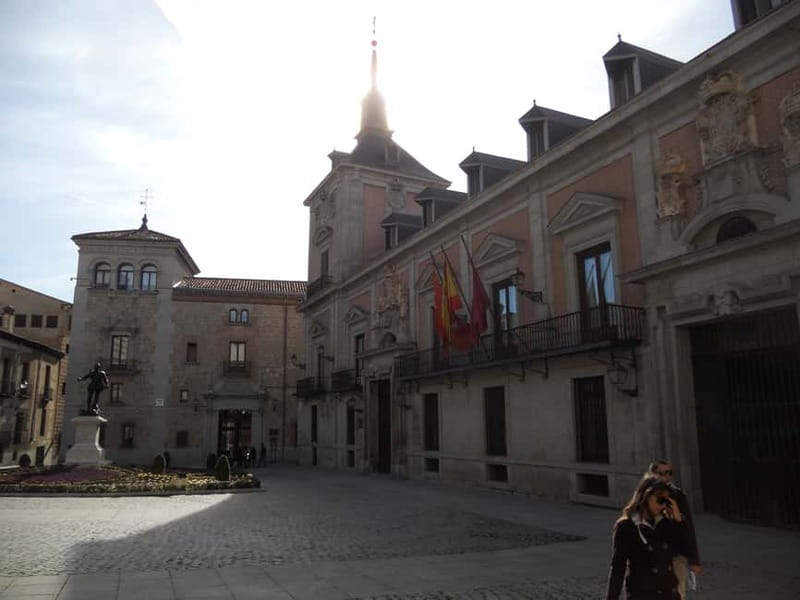
The walk continues to the Palace of the Councils and Plaza de la Villa, a part of Madrid that rewards close attention. The square brings together several historic buildings and gives you a feel for the city’s old civic center.
Nearby, the Torre de los Lujanes adds another layer. This is the sort of stop that can disappear into a busy sightseeing day if you do not know where to look. The guide’s role here is important: you get the story and the reason the building matters, not just a quick name on a map.
I like this section because it slows the pace after the palace and cathedral. Madrid is more than its grandest monuments. A good walking tour earns its price by showing you places you might pass without noticing, then explaining how they fit into the city’s growth.
The route also includes anecdotes along the way. These are useful when they serve the place in front of you, and the guide appears to use them to make Madrid’s past more human. Anne, one of the named guides, is also the author of a Madrid guidebook, Glücksorte in Madrid. That background can be especially helpful if you want recommendations that go beyond the usual central attractions.
Convent, square, and the quieter side of old Madrid
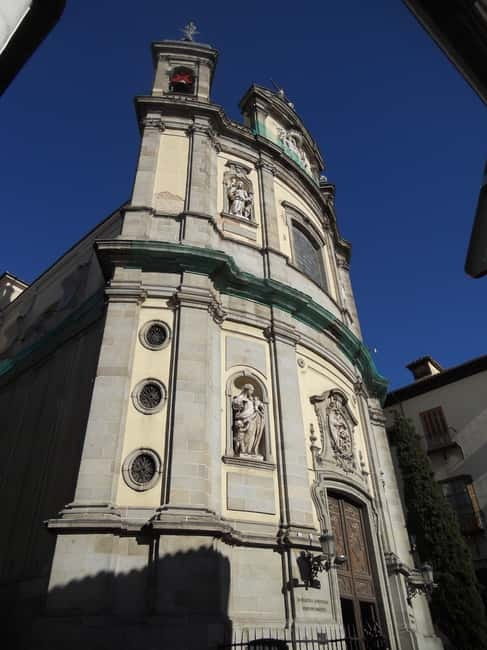
The Monastery of Corpus Christi las Carboneras is another stop on the route. It gives you a quieter religious setting after the civic buildings and royal sights. The presence of convents and monasteries in the itinerary shows how much of Madrid’s old center was shaped by religious life.
The walk then reaches Plaza de la Paja. This square adds a different mood and helps you see how public spaces worked in earlier Madrid. Rather than treating each stop as an isolated photo opportunity, the guide connects streets, squares, buildings, and the people who used them.
This part of the tour may appeal most to you if you prefer atmosphere and context to a fast list of famous sights. The route includes the main monuments, but it also makes room for corners where the city’s older character is easier to sense. You should expect plenty of standing and walking, with no promise of indoor shelter if the weather changes.
Same streets, a different century:
- Madrid Historic Centre Food Tour with Authentic Tapas & Wines
★ 5.0 · 814 reviews - Madrid Historical Walking Tour
★ 5.0 · 721 reviews - Madrid in a Day Tour:Royal Palace, Historic Center & Prado Museum
★ 5.0 · 628 reviews - Madrid Local’s Tapas Tour Dinner with a side of History
★ 5.0 · 530 reviews
Cava Baja, taverns, and practical food advice
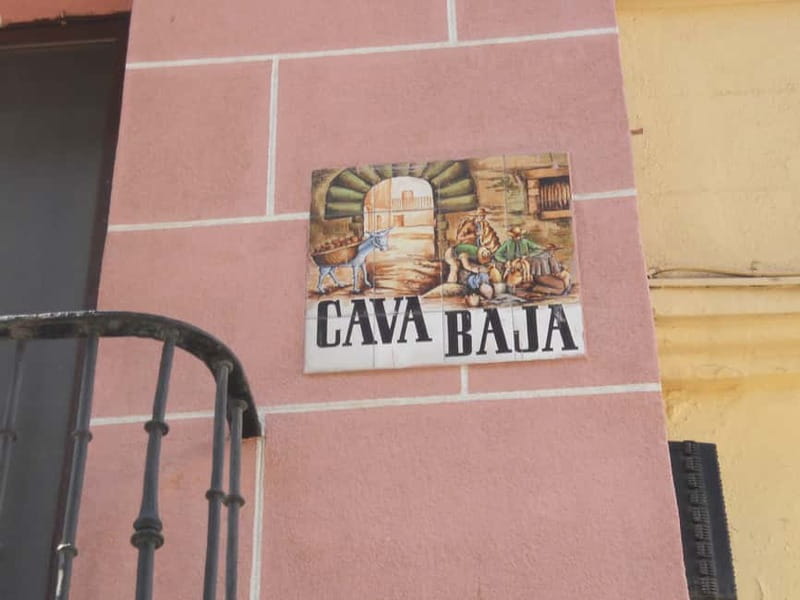
Cava Baja is one of the most useful stops for anyone planning to eat in Madrid. The old street is known for its taverns and tapas bars, and the guide offers restaurant suggestions as part of the experience. This is where the tour shifts from history toward the practical business of enjoying the city.
I like getting food advice during a walking tour because it comes at the right moment. You are seeing the street, learning how it fits into Madrid, and getting ideas for where to return later. The experience also includes warnings about tourist traps, which can help you make better choices in a busy central district.
Do not expect a food tour with tastings included. Food and drinks are not listed as part of the price, and the focus remains on walking, history, architecture, and advice. Still, Cava Baja gives the tour a welcome local angle. It reminds you that Madrid’s old center is not only a museum of royal buildings. It is also a place where people meet, eat, and stay out late.
One guide, Anne, is praised for giving a useful tapas tip after the walk. That kind of advice is a real benefit if your visit is short and you want to turn one good neighborhood walk into an evening plan.
San Miguel Market and Plaza Mayor
The covered Market of San Miguel is another headline stop. The market is a natural place to discuss Madrid’s food culture and the way central markets attract both locals and sightseers. Since the walk does not include food tastings, think of this as a guided orientation rather than a market meal.
The market is close to Plaza Mayor, one of Madrid’s defining public spaces. Here, the grand scale of the square contrasts with the narrow lanes visited earlier. The tour uses Plaza Mayor to bring together the city’s political, social, and architectural stories.
This is also a place where practical guidance matters. Central squares and famous markets can be easy places to overspend or choose a mediocre meal. Having someone point out tourist traps and mark useful places on your map can save time later, especially if this is your first visit.
Plaza Mayor is likely to be one of the busiest points on the route. You should have your camera ready, but do not expect a quiet, private look at the square. The value comes from understanding what you are seeing and how it relates to the rest of old Madrid.
The Literary Quarter and Madrid’s Golden Age
The final part includes the Literary Quarter, a fitting setting for stories about Madrid’s Golden Age. This district connects the city to its writers, theater, and cultural life, adding another side to the royal and religious history covered earlier.
The Golden Age stories help show that Madrid was not only a seat of government. It was also a place of ideas, performance, argument, and artistic work. The guide’s job is to make that cultural past readable in the streets around you.
By this point, you will have crossed several different parts of the historic center. The route has moved from royal power to civic buildings, religious institutions, taverns, markets, public squares, and literary life. That broad range is one reason the tour feels more useful than a simple palace-and-plaza walk.
At the end, you can ask for a viewing terrace visit if one is available as part of the tour arrangement. The information provided does not specify the terrace location or guarantee it, so treat this as an optional request rather than a fixed final stop. Still, it could be a pleasant way to finish a long walk with a wider view over Madrid.
How the 211-minute length affects the experience
The advertised duration is 211 minutes, or just over three and a half hours. That is long enough to cover a large part of central Madrid without turning the day into a rushed sprint.
A tour this length asks something from you. Wear comfortable shoes and be ready to walk through streets, squares, and historic areas for most of the session. The route is wheelchair accessible, but you should still consider that old city centers can involve crowded streets, uneven surfaces, and frequent stops. The supplied information confirms accessibility, but it does not give detailed route information about every surface or restroom break.
The pace appears designed to leave room for explanation. One account specifically describes no haste and a good tempo without excessive information. That will suit you if you want history explained clearly rather than delivered at top speed.
The tour runs rain or shine. Madrid often rewards outdoor sightseeing, but you should check the forecast and dress accordingly. There is no indication that the route changes substantially for poor weather, so bring suitable shoes and clothing.
German guides and the personal side of the walk
The advertised tour language is German. That is the most important booking detail for many people. If German is comfortable for you, the tour offers a chance to discuss your own interests rather than simply follow a set speech.
Guides named in the information include Anne and Silvia B. Anne is described as a Madrid guidebook author, and her approach includes personal recommendations for different interests. Silvia B. is praised for being friendly, attentive, well educated, and able to hold the group’s attention while explaining how rulers and ordinary people shaped the city.
Those details point to a tour with a strong guide-led character. The exact guide may vary, so you should not book solely on the assumption that one named person will lead your departure. Still, the experience is clearly built around the guide’s ability to adapt the walk, answer questions, and connect architecture with history, food, and present-day Madrid.
The high rating of 5 from 87 reviews supports the idea that the human side is a major strength. The repeated themes are useful local information, strong organization, historical and architectural explanation, friendly guides, and practical advice for the rest of a Madrid visit.
Is $47 a fair price?
At $47 per person, this is not the cheapest way to see Madrid’s center. You can walk through Puerta del Sol, Plaza Mayor, Cava Baja, and other areas without paying for a guide. The question is what you want from those three and a half hours.
I consider the price reasonable if you value structure and context. You cover a wide area, receive explanations at major and minor sights, get warnings about tourist traps, and leave with restaurant suggestions and a marked map for later exploring. A private guidebook can provide facts, but it will not answer your questions or adjust recommendations to your interests.
The value is weaker if you mainly want entrance visits. Palace and other admission fees are not included, and the tour does not promise interior access to the major buildings. You are paying for a guided walk, not an attraction pass.
The reserve-now-and-pay-later option also gives you some flexibility when making plans. Cancellation is free up to 24 hours in advance for a full refund, according to the booking conditions. Keep those terms in mind if your Madrid schedule is still changing.
Who should book this Madrid walk?
I would choose this tour for a first visit, especially if you want a clear introduction before exploring Madrid on your own. It is also a good fit if you enjoy architecture, city history, literary connections, and food advice in the same outing.
It suits German-speaking visitors who prefer a calm pace and room for questions. Families and older visitors may appreciate the wheelchair-accessible format, though everyone should be prepared for a long outdoor walk.
I would be less inclined to book it if you want a Spanish or English tour, a food tasting experience, or extensive interior visits. Independent walkers who already know Madrid’s old center may also find some of the route familiar.
Final verdict: a smart first walk through central Madrid
Book this tour if you want Madrid’s historic center explained as a living city rather than a list of monuments. The route covers the major sights, but its best feature is the connection between royal buildings, old convents, civic squares, taverns, markets, and literary streets.
The strongest reason to go is the guide. Anne and Silvia B. bring the kind of personal detail that can change how you see the rest of your trip, from a better tapas stop to a building you would otherwise walk past. At $47, the tour earns its keep through that context and practical advice, not through included admissions.
Give yourself comfortable shoes, accept the possibility of rain, and choose it early in your stay if you can. You will finish with a better map of Madrid in your head and several ideas for where to return that evening or the next day.
FAQ
Where does the tour start?
The tour starts at the bear statue in Puerta del Sol, Madrid.
How long does the tour last?
The tour lasts 211 minutes, which is about three and a half hours.
What language is the tour offered in?
The live tour guide language is German.
What sights are included on the route?
The route includes Puerta del Sol, the Church of San Ginés, the Convent of Las Descalzas Reales, the Royal Palace of Madrid, Almudena Cathedral, the Palace of the Councils, Plaza de la Villa, Torre de los Lujanes, the Monastery of Corpus Christi las Carboneras, Plaza de la Paja, Cava Baja, San Miguel Market, Plaza Mayor, and the Literary Quarter.
Is the Royal Palace entrance included?
No. Entrance fees are not included in the tour price.
Does the tour include food or drinks?
Food and drinks are not listed as included. The guide does provide restaurant suggestions and advice about taverns and tapas bars.
Is the tour wheelchair accessible?
Yes. The activity is described as wheelchair accessible.
Does the tour operate in bad weather?
Yes. The tour takes place rain or shine.
Can I ask for a viewing terrace at the end?
You can request a viewing terrace at the end of the tour. The information does not specify the terrace location or guarantee access.
What is the cancellation policy?
You can cancel up to 24 hours in advance for a full refund. The reserve-now-and-pay-later option lets you book without paying immediately.
Newest history tours we have reviewed in Madrid
- Madrid: Tapas, Taverns & History Tour★ 4.7 · 71 reviews
- Madrid: Tuk-tuk tour of the historic center and highlights★ 4.7 · 20 reviews
- Madrid: Small-group historical walking tour★ 4.9 · 19 reviews
- Madrid: Authentic Tapas Evening Tour with a side of History★ 4.9 · 37 reviews
- Madrid: Royal Palace, Prado Museum & Historic Center Tour★ 4.6 · 50 reviews
- Madrid City Tour: Culture and History★ 5.0 · 29 reviews
- Tapas Crawl in Madrid Historical Quarter for Lunch or Dinner★ 4.9 · 45 reviews
- Madrid: History of Tapas Walking Tour and Tasting★ 4.7 · 30 reviews
Madrid History Tours, compared.
Madrid Essential: Historic Center, Plaza Mayor & Royal Palace
Read our review →
Madrid Tapas & Taverns Small Group Food & History Tour
Read our review →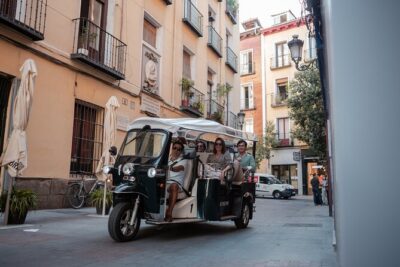
Madrid Historical Tour with Local Guide in Eco Tuk Tuk Private
Read our review →
Madrid Historic Centre Food Tour with Authentic Tapas & Wines
Read our review →
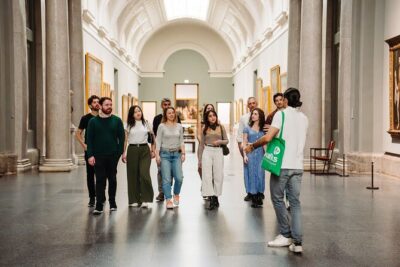
Madrid in a Day Tour:Royal Palace, Historic Center & Prado Museum
Read our review →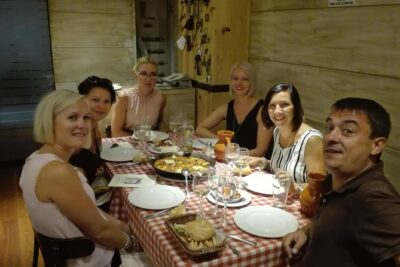
Madrid Local’s Tapas Tour Dinner with a side of History
Read our review →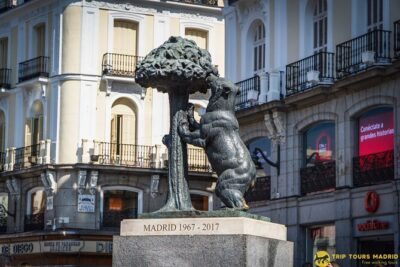
Guided Tour of Madrid of the Austrias and the Historic Center
Read our review →Browse the lists this tour appears in