
Review · GREECE HISTORY TOURS
Kalamata : Historical Gossip Tour
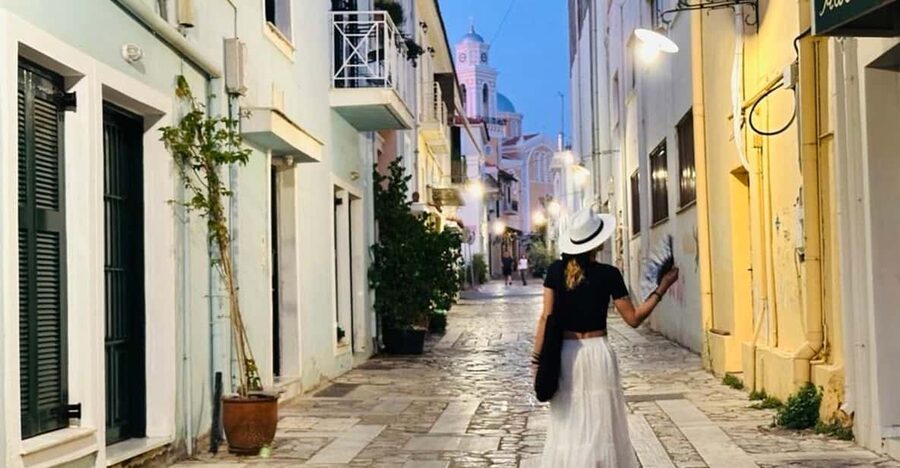
Kalamata’s old center has more than handsome churches and stone streets. This two-hour walking tour follows the town’s shadowy side, from cursed princesses and pirate raids to secret agents, royal affairs, political murders, and the war mission that helped defeat Nazi Germany. Guide Tina, also called Photina, brings the stories with high energy, humor, and a strong command of Greek history.
I like the way the tour connects local events to much larger European stories, and I like that it uses official documents, articles, and diaries as the basis for tales often left out of standard guidebooks. The main drawback is physical: the tour is not suitable for wheelchair users or people with mobility impairments, and Kalamata’s sun can make walking tiring without water, sunscreen, and a hat.
Key points to know before you book
- Stories with a darker edge: Expect tales of royal curses, brutal murders, secret scandals, spies, pirates, and religious mysteries.
- A local guide with personality: Tina, also known as Photina, leads in English or Greek and uses humor, passion, and lively storytelling.
- A wider view of Kalamata: The walk links the town’s buildings and legends to Ottoman rule, European politics, and the Second World War.
- A short, useful introduction: At two hours, this is easy to fit into a Kalamata visit and can help you see the center with fresh context.
- Bring practical gear: Wear comfortable shoes and carry water, sunscreen, and a sun hat. Photography is allowed.
- Good value for history fans: At $41 per person, the price pays for a focused guided walk rather than transportation, meals, or museum admission.
Kalamata’s darker stories begin in the old center
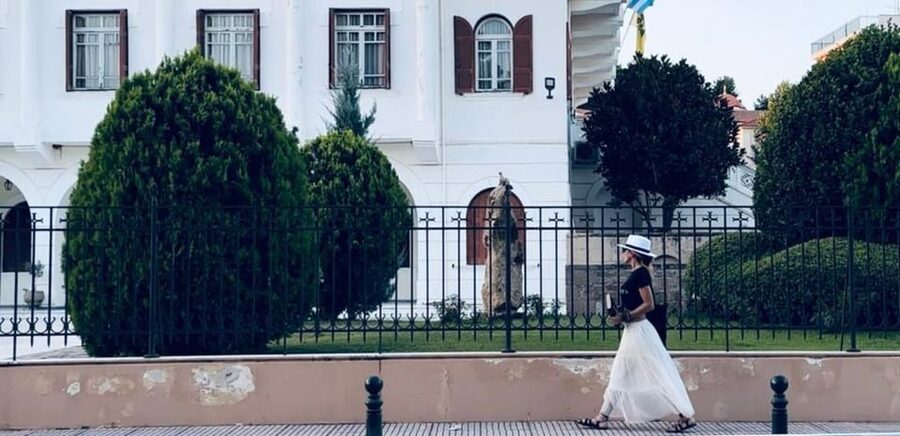
The tour starts at the statues in the middle of the square. That central meeting point is practical, but you should check the exact square details when booking so you can arrive without a last-minute search.
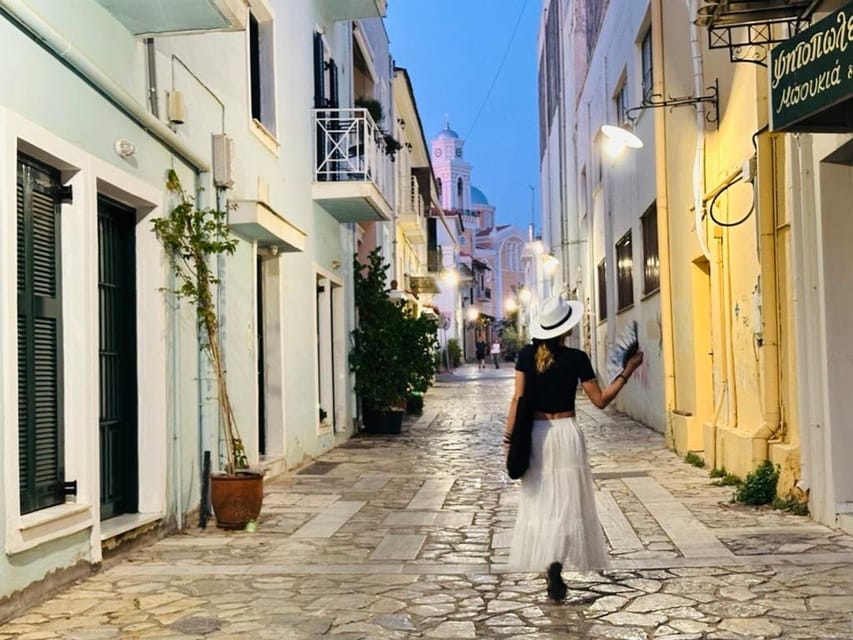
From there, the route moves through Kalamata’s historic center and uses famous buildings and sites as the setting for its stories. This is not a standard parade of dates and architectural labels. You are looking at the town through the people who lived behind those walls, passed through its streets, or left their mark on its politics and legends.
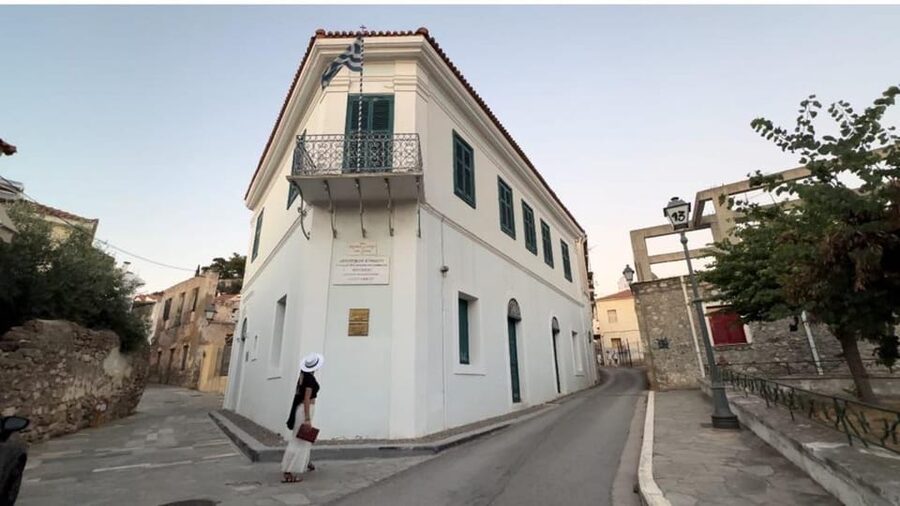
I like this approach because Kalamata becomes more than a place to photograph. A church can point to a religious mystery. A public building can open a story about power, betrayal, or a murder that still carries unanswered questions. A street or square can connect local events to rulers, crusaders, pirates, or wartime agents.
The exact order of the stories may depend on the guide and the day, so think of the experience as a connected walk rather than a fixed museum route. The important thread is the way local places give shape to dramatic events.
More History Tours in Greece:
- Athens: Ancient Greek Theater Performance
★ 4.7 · 2,481 reviews - Historical Delphi One Day Tour with Arachova Stop & Expert Guide
★ 4.5 · 1,247 reviews - From Athens: Ancient Corinth Day Trip with Canal & VR Guide
★ 4.6 · 1,073 reviews
From Ottoman rule to the first liberation
One of the tour’s central themes is Kalamata’s liberation after 400 years of Ottoman rule. The town is presented as the first to be liberated during the Greek struggle, giving the local story a strong place in the national story.
That context matters. You are not simply hearing that a town changed hands. You are considering what liberation meant after centuries of Ottoman control, and how local heroes became part of a much larger fight over Greece’s future.
The tour also looks at the less polished side of those heroes. That balance is useful. Historical figures are rarely only noble or only cruel, and the stories here examine ambition, private scandals, and the choices that shaped public events.
If you already know the basic outline of Greek independence, this walk may give you a more personal angle. If you know little about the period, it offers an accessible starting point without requiring you to read a long book before arrival.
Crusaders, pirates, rulers, and cursed princesses

The tour’s cast is deliberately broad. You may hear about crusaders, pirates, bloodthirsty rulers, godlike heroes, spies, lovers, and traitors. These figures give the walk a storybook quality, but the aim is not simply to entertain you with old legends.
The darker tales show how power worked. Pirates and crusaders were not just colorful names from the past. They were part of the military and political forces that affected the region. Rulers could shape the fate of a town through violence, marriage, ambition, or fear.
The stories of cursed princesses and mythical battles add a different layer. They show how memory changes over time, with official accounts, religious traditions, and local legends often sitting side by side.
I especially like this mix for people who find conventional historical tours too dry. You still get dates, places, and political context, but the information arrives through human drama. The caution is that a lively story can blend documented events with legend. A good listener should enjoy both while paying attention to which parts come from official records and which belong to mythology.
The Catherine the Great connection
One of the tour’s unusual questions concerns the scandalous love affairs of Catherine the Great and their connection to Kalamata. That is the kind of link that makes a local walking tour feel larger than its map.
The value here is not only the royal gossip. The story shows how Kalamata could intersect with international politics and powerful figures far beyond the Peloponnese. It also reflects the tour’s main promise: private relationships and public decisions often affect each other.
You should not expect a full biography of Catherine the Great. The subject appears as one thread in a wider walk, alongside stories of rulers, lovers, and political intrigue. That is a strength if you enjoy variety, but anyone hoping for a detailed study of one person will find the tour too broad.
Same streets, a different century:
- Historic Athens: Small Group Electric Bike Tour
★ 4.9 · 966 reviews - Acropolis, Parthenon & Athens Old City Heritage Walking Tour
★ 4.5 · 876 reviews - Private Biblical Tour Ancient Corinth & Isthmus Canal from Athens
★ 5.0 · 762 reviews - Ancient Olympia: Archaeological Site and Museum Entry Ticket
★ 4.3 · 555 reviews
A murder case and the trouble with official silence
Another major question involves a famous murder case that remains classified in the British Foreign Office. The file is reportedly still unopened, which gives the story a modern political edge.
This is where the tour’s title, Historical Gossip, becomes useful. Gossip can sound light, but these are not only amusing rumors. The walk asks why some events were recorded, why others were suppressed, and how governments protect secrets long after the people involved are gone.
I would listen carefully to the guide’s wording here. A classified file can create a strong mystery, but the absence of public evidence also limits what anyone can prove. The best way to enjoy this section is to treat it as a documented historical question with unanswered parts, not as a solved crime.
That balance is one reason the guide matters so much. Tina’s style is energetic and playful, but the tour also depends on her ability to separate fact, interpretation, and legend. The available information describes her as a history student working toward a higher university degree, which helps explain the academic interest behind the storytelling.
Kalamata’s spies and the Second World War
The wartime section asks why Kalamata had such a large number of Allied spies and what secret mission helped determine victory against the German Reich. This gives the tour a sharp change of period, moving from royal scandals and medieval conflict into modern espionage.
For you, this is one of the most useful parts because it shows that Kalamata’s importance did not end with ancient myths or the Greek independence struggle. The town also played a role in the dangerous intelligence networks of the Second World War.
The tour does not promise access to a war museum or a separate military collection. Instead, the story is woven into the walking route and connected to places in the center. That makes the information easy to absorb, though visitors who want maps, military artifacts, or long explanations of wartime operations may need another museum or book as a follow-up.
Still, the contrast is effective. A town can carry several layers of secrecy: a royal affair in one era, a political murder in another, and a covert Allied mission much later.
The role of churches and religious stories
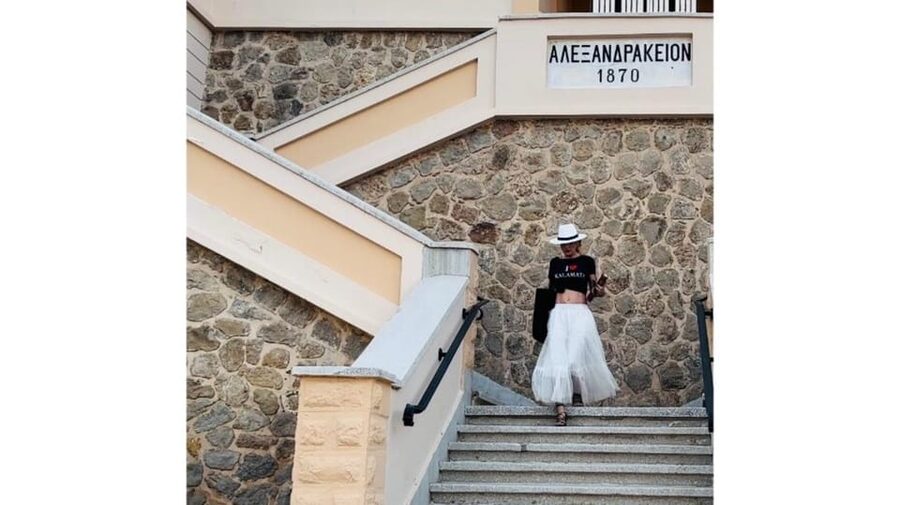
Religious buildings and icons form another strand of the route. One story involves a religious icon and a church, while other sections touch on mythology and the restless dead.
You should expect the buildings to serve as historical settings rather than as a full religious art tour. The guide uses them to explain beliefs, fears, scandals, and events connected to the people who lived around them.
I like this because churches in Greece are not only architectural sights. They can be tied to community memory, political authority, family stories, and local identity. Hearing those connections helps you look more closely at the sites after the tour ends.
Photography is allowed, but you should still follow any rules posted at religious buildings. The tour information does not promise private access or entry to every interior, so think of the included sites as places connected to the guided walk, not guaranteed museum visits.
What the guide adds to the experience
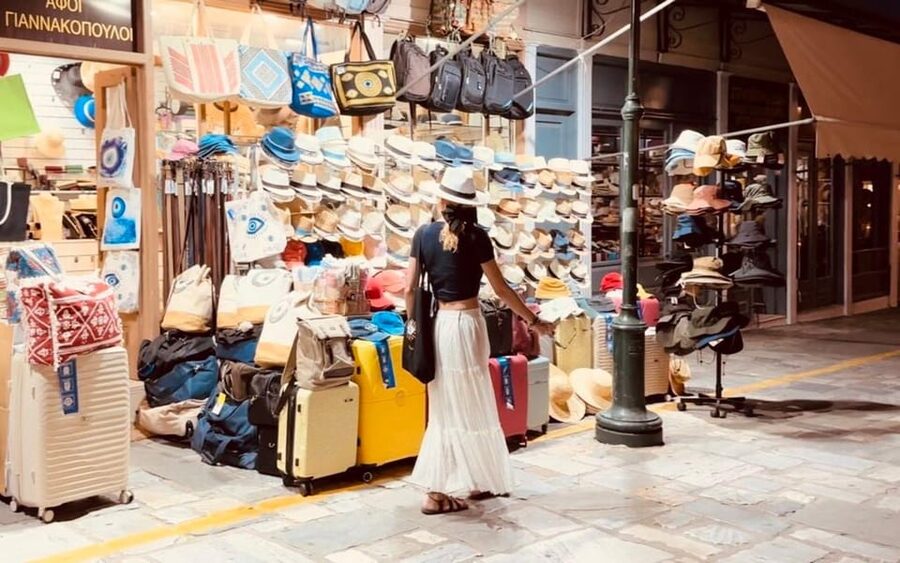
A tour built around gossip lives or dies by its storyteller. Tina, also called Photina, is the guide name attached to this experience. Her style is described as enthusiastic, humorous, and highly energetic, with clear English.
That matters more here than it would on a simple orientation walk. The material includes secret missions, curses, murders, mythical battles, and complicated political links. A flat delivery would make those subjects blur together. Tina’s theatrical energy helps keep the characters and questions distinct.
You should also expect plenty of information. One useful warning is that you may not remember every name or connection after two hours. I would not treat that as a failure. Take a few notes if a particular story interests you, and ask the guide to repeat the name of a building, ruler, or event before moving on.
The tour is available in Greek and English. If you are booking for a mixed-language group, confirm that the selected time is offered in your preferred language.
How demanding is the two-hour walk?
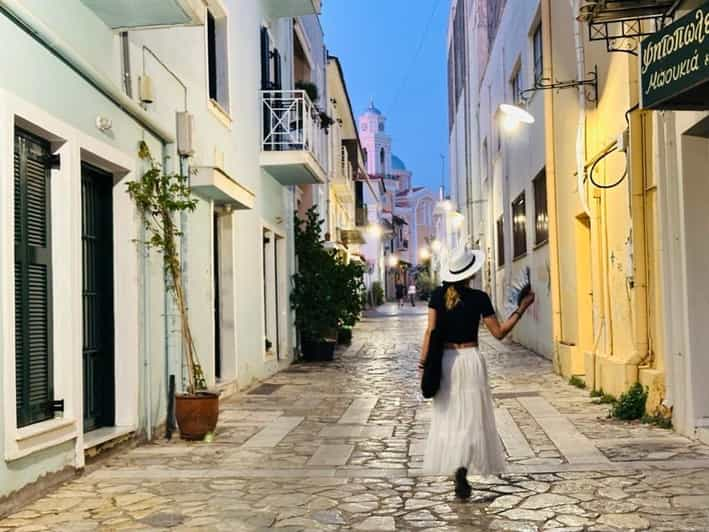
The experience lasts two hours and takes place on foot in Kalamata’s historic center. It is not designed for wheelchair users or people with mobility impairments, so accessibility should be your first booking check.
The route may not cover a huge distance, but standing and walking in the sun can still be tiring. One person with a sore foot found that sitting down for coffee made it possible to continue, which offers a practical lesson: if you have foot or stamina problems, ask the guide at the start how much walking and standing to expect.
Wear comfortable shoes. Bring water, a hat, and sunscreen, especially during hot weather. You can carry a camera because photography is allowed, but avoid letting pictures distract you from the stories. The value is in the connection between the site and the tale.
There is no hotel pickup or drop-off. You make your own way to the statues in the middle of the square, and there are no meals or drinks included. Museum and attraction entrance fees are also separate if the route includes a place that charges admission.
Is $41 a fair price?
At $41 per person, this is more expensive than a casual self-guided stroll, but the comparison is not quite fair. You are paying for a live guide who organizes the town’s legends, political stories, war connections, and local records into a single two-hour experience.
I think the value is strongest if you enjoy storytelling and want more than a list of buildings. The tour can give you a useful framework for the rest of your Kalamata stay. Afterward, you may look at the old center with more curiosity because you know which places carry stories of power, secrecy, faith, or conflict.
The value is weaker if you mainly want museum entry, transport, or a long architectural lecture. Those are not included. The tour also cannot cover every period in depth, so you are buying range and personality rather than a specialist seminar.
Free cancellation is available up to 24 hours before the start time, and you can reserve now and pay later. Those terms make it easier to fit the walk into a changing Peloponnese itinerary.
Who should book this Kalamata tour?
I would recommend it to curious first-time visitors, history fans, people who enjoy mythology, and anyone who prefers human stories to a standard monument checklist. It also suits visitors who want a short activity that adds context without taking up an entire day.
It is a particularly good match if you like questions with no neat answer. Why was a file kept classified? How did a Russian empress connect to Kalamata? Why did Allied spies gather here? The tour keeps asking those questions while grounding them in the old center.
I would be more cautious if you need step-free access, dislike walking in the sun, or want a quiet, formal presentation. The guide’s energy is part of the appeal, but it may feel intense if you prefer a slow and restrained style.
FAQ
Where does the tour meet?
The meeting point is at the statues in the middle of the square in Kalamata.
How long does the tour last?
The walking tour lasts two hours.
What languages are available?
The tour is available in Greek and English.
Who leads the tour?
The guide is Tina, also known as Photina.
What does the tour cover?
It covers Kalamata’s historic center through stories about crusaders, pirates, cursed princesses, rulers, heroes, spies, lovers, traitors, battles, scandals, murders, and wartime missions.
Is the tour suitable for wheelchair users?
No. The tour is not suitable for wheelchair users or people with mobility impairments.
What should I bring?
Bring comfortable walking shoes, water, a sun hat, sunscreen, and a camera.
Is photography allowed?
Yes, photography is allowed.
Are meals and drinks included?
No. Meals and drinks are not included.
Are hotel transfers included?
No. Hotel pickup and drop-off are not included.
Are museum entrance fees included?
No. Entrance fees for museums or attractions are not included.
Can I cancel for a refund?
Yes. You can cancel up to 24 hours in advance for a full refund.
Should you book it?
Book this tour if you want Kalamata told through secrets, scandals, legends, and political drama rather than only dates and monuments. At two hours, it is a manageable introduction, and Tina’s lively delivery gives the material a human face.
Skip it if mobility is a concern or if you want guaranteed museum admission and a detailed study of one historical period. For most curious visitors who can handle a walking tour, the price is reasonable for a focused local guide and a fresh way to understand Kalamata’s past.
Newest history tours we have reviewed in Greece
- Delphi: Ancient Footpath Delphi Hiking★ 5.0 · 18 reviews
- Olous – Guided Snorkelling Excursion to Discover Olous Sunken Ancient City★ 4.5 · 31 reviews
- Chania’s Clash of Empires: A Self-Guided Audio Tour★ 4.5 · 28 reviews
- From Kolymbari: Ancient Diktyna & Hidden Beach Quad Safari★ 5.0 · 22 reviews
- Epidavros sea kayak at the Ancient sunken city tour, small ancient theater★ 5.0 · 96 reviews
- Sea Kayak Epidavros – Ancient Sunken City Tour★ 5.0 · 213 reviews
- Ancient Corinth Private Tour from Corinth★ 5.0 · 56 reviews
- Casa Parlante Historical Museum Tour in Corfu★ 4.5 · 19 reviews
Greece History Tours, compared.

Historical Delphi One Day Tour with Arachova Stop & Expert Guide
Read our review →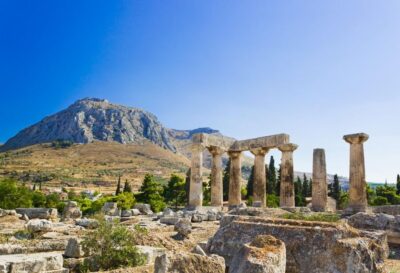
Ancient Corinth Day Trip with Canal & VR Guide
Read our review →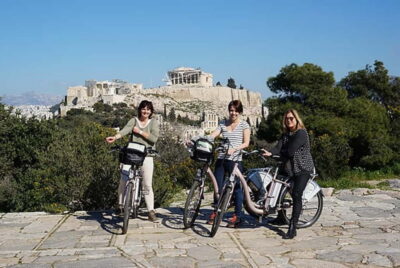
Historic Athens: Small Group Electric Bike Tour
Read our review →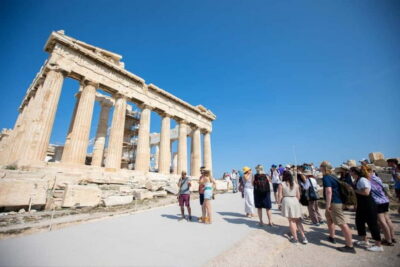
Acropolis, Parthenon & Athens Old City Heritage Walking Tour
Read our review →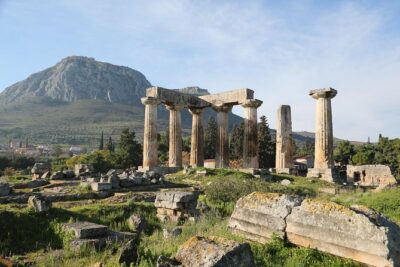
Private Biblical Tour Ancient Corinth & Isthmus Canal from Athens
Read our review →
Ancient Olympia: Archaeological Site and Museum Entry Ticket
Read our review →
Browse the lists this tour appears in