
Review · AMSTERDAM HISTORY TOURS
Amsterdam: Historic Tram Ride on Heritage Line to Amstelveen
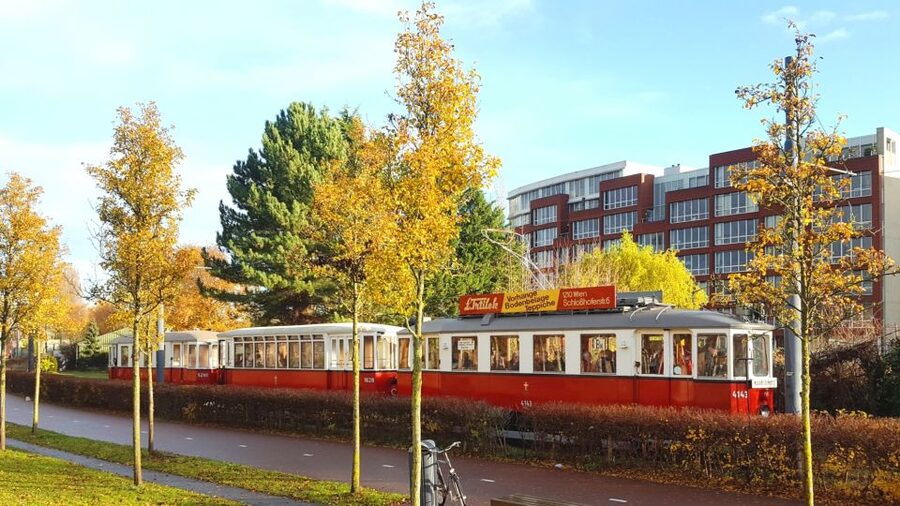
The best part of this ride is the fully restored tram car, where the conductor still punches your ticket and signals the driver with a whistle and bell. You also get a look at old tram practice, including red flags used to protect crossings and the work involved in preparing the car for its return trip.
I like the authentic hands-on details and the chance to use the ride as a cheap way to reach Amsterdam Forest or Bosbaan lake. I also like the short one-hour format, which fits neatly into a day of sightseeing. The main drawback is the route itself: much of the line may feel ordinary, with less to see than the lovingly maintained tram suggests.
Key points to know before you go
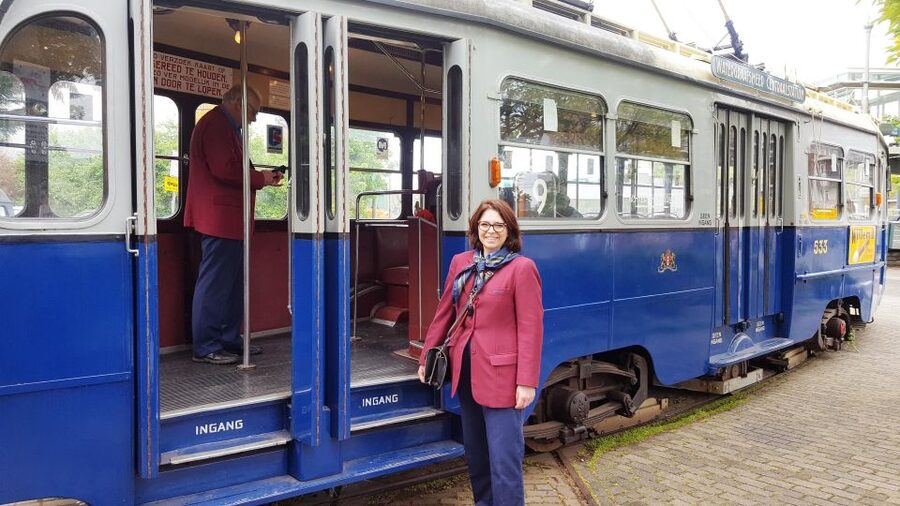
- Ride a restored Lijn 30 tram: Travel from Haarlemmermeerstation to Amstelveen and back on a tram and track more than 100 years old.
- Enjoy old-school tram sounds: Listen for the conductor’s whistle, the ring of the bell, and the steady hum of the car.
- Use the stops as part of your day: You can get off near the Olympic Stadion, Amsterdam Forest, Bosbaan lake, Heemtuinen, or Amstelveen’s Old Village.
- Expect a real museum-style departure: Exchange your ticket at the Tramshop, then follow staff to the tram.
- Pay little for a long outing: At $9 per person, the return ticket is inexpensive, especially if you use the route to visit one of the stops.
- Plan for limited access: Non-folding wheelchairs, electric wheelchairs, and non-folding strollers are not allowed, and the ride is not suitable for people with motion sickness.
Boarding the Lijn 30 at Haarlemmermeerstation
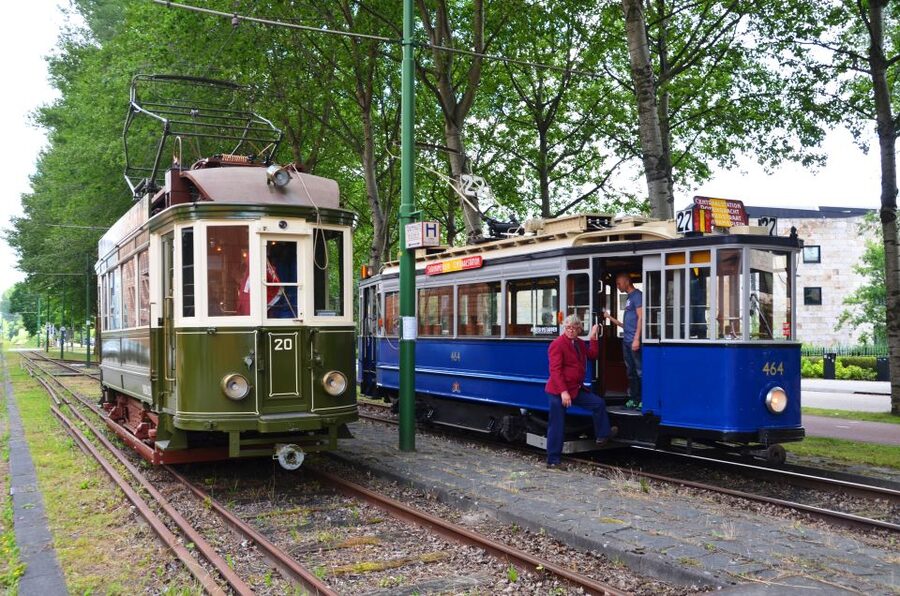
Your ride begins at Haarlemmermeerstation, home of the Electric Tram Museum Amsterdam. First exchange your ticket at the Tramshop. From there, a host or greeter guides you to the waiting tram.
That small bit of procedure matters. You are not simply hopping onto a regular city tram with a contactless card. This is a preserved railway experience, and the ticket exchange helps set the tone before you board.
The tram car has been restored and maintained to keep its old-fashioned character. Once aboard, expect the conductor to punch your ticket by hand. It is a simple gesture, but it gives the ride a physical connection to the past that a modern transport museum display cannot provide.
The departure also has its own little performance. The conductor blows a whistle and rings the bell to signal that the tram is ready. At crossings, red flags are used to help secure the line. These working details are likely to interest anyone who enjoys old public transport, even if you know little about trams.
The host or greeter may speak Dutch or English. The supplied details do not name individual guides, so do not book this expecting a particular person. The focus is on the vehicle, the route, and the operating ritual.
More History Tours in Amsterdam:
- Amsterdam Food and Cultural Tour with Tastings
★ 5.0 · 4,315 reviews - Amsterdam: Historic City Centre Canal Cruise
★ 4.3 · 659 reviews - Amsterdam: Haunted History and Ghost Walking Tour
★ 4.5 · 488 reviews
What the hour-long ride is really like
The return trip takes about one hour, though the experience is less about getting somewhere quickly than watching an old tram operate as it once did. You hear the bell, whistle, and hum of the car as it moves along a track that is more than a century old.
I like the fact that the tram is not presented as a silent exhibit. It runs. The driver, conductor, signals, stops, and return preparation all form part of the experience. You get to see how the tram functions, rather than only looking at a polished vehicle in a shed.
Stops are called out along the line. You can stay aboard for the full round trip, or step off to explore an area and use a later tram if the service allows. The precise departure times vary, so check availability before booking and pay attention to the schedule if you plan to leave the tram.
At the terminal in Amstelveen, you may see how the tram is prepared for the journey back. You might need to leave the vehicle briefly, or change to another tram altogether. That is not a flaw, but it is worth knowing if you expect to remain seated from Amsterdam to Amsterdam without interruption.
The ride is short enough for children and casual museum fans, but the old car may feel less comfortable than modern public transport. Anyone prone to motion sickness should think twice, since this experience is specifically not recommended for that reason.
Olympic Stadion: a useful first stop
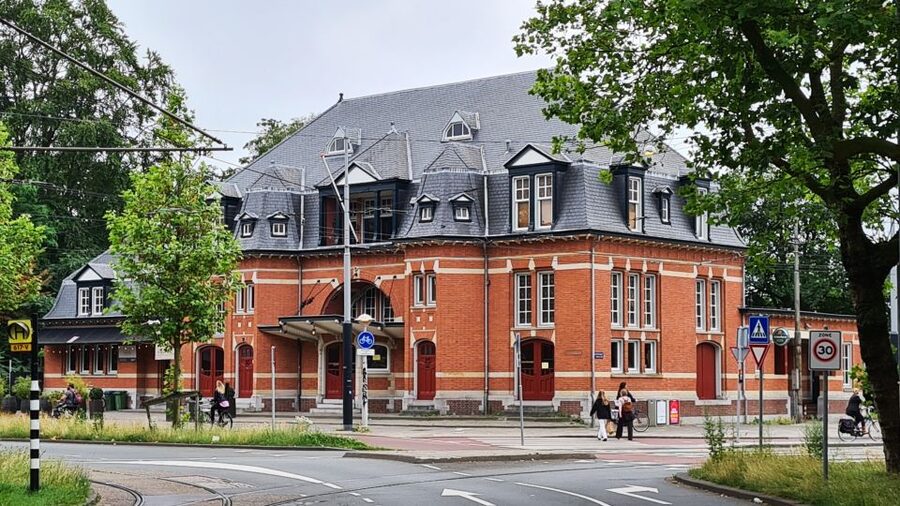
One possible stop is the Olympic Stadion. The supplied information does not include a guided visit inside the stadium, so treat this as a convenient place to get off rather than a stadium tour.
For a visitor interested in Amsterdam’s sporting history, the stop can add an extra layer to the day. It also gives you a way to break up the tram ride instead of treating the trip as a closed loop.
The practical question is timing. The ticket is a return ticket, but the ride lasts one hour and the service has set departure times. If you get off at the stadium, check when the next tram returns. Do not assume you can wander without watching the clock.
Amsterdam Forest and Bosbaan lake
The route also gives access to Amsterdam Forest and Bosbaan lake. These are the strongest reasons to use the tram as more than a transport museum ride.
Amsterdam Forest offers a change from central Amsterdam’s streets and buildings. Bosbaan is a lake within that wider outdoor area. The activity information does not promise a walking tour, boat rental, picnic, or other organized add-on, so you will be exploring independently if you get off there.
That independence can be an advantage. You can make the tram part of a longer outing instead of spending the full hour aboard. Pack your wider day around the stop, but remember that food and drinks are not included, and food and drinks are not allowed inside the tram itself.
The forest and lake stops are also a good fit for anyone who has already seen the central canals and wants a quieter change of scene. Still, do not choose this ride only for grand views from the window. One clear limitation is that the line itself is not packed with sights. The tram is the attraction; the scenery between stops is secondary.
Same streets, a different century:
- Amsterdam High-End Dutch Food & History Tour – Up to 8 guests
★ 5.0 · 482 reviews - Amsterdam: Historic City Sightseeing Canal Cruise
★ 4.5 · 444 reviews - Anne Frank and the Jewish History of Amsterdam Private Tour
★ 5.0 · 307 reviews - Amsterdam: 3-Course Meal in Historic 1st Class Waiting Rooms
★ 4.5 · 292 reviews
Heemtuinen and Amstelveen’s Old Village
Heemtuinen, described as a wildlife garden, offers another possible stop. It is a better choice for someone who wants a short nature break than for someone seeking a major museum or landmark.
Amstelveen’s Old Village provides a different kind of stop, with redbrick buildings and a more traditional village feel. The details available for this activity do not specify opening hours, admission, or a guided program at either location. Check local conditions before building your entire day around them.
The useful point is choice. You can stay on the tram and focus on the old vehicle, or turn the return ticket into a simple excursion to one of several stops. That flexibility gives the $9 fare more value than a standard sightseeing loop that only passes by attractions.
Why the old tram details matter
A ride like this succeeds through small details. The conductor punching your ticket makes the journey feel different from a normal urban tram trip. The whistle and bell mark departure in a way that modern electronic announcements do not.
You also get a glimpse of the practical work behind the ride. Red flags help secure crossings, and the tram may be prepared at the terminal before its return. These moments show the operating side of the line, not just the polished public face.
The restored car is another major strength. A historic tram can easily become a decorative shell, but this one is maintained for actual trips. You get the sound and motion of a working vehicle, along with the visual character of a tram from an earlier period.
That said, this is not a full transport-history lecture based on the information provided. No named guide, audio guide, or detailed commentary is promised. If you want technical explanations about the car or the line, you may need to ask the Dutch or English-speaking host what is available on the day.
Is $9 good value?
At $9 per person, the fare is easy to justify for anyone who likes historic transport. You receive a return trip, a restored tram, a ticket-punching conductor, and the novelty of riding a century-old line.
The value improves if you get off at one of the stops and combine the ride with Amsterdam Forest, Bosbaan lake, Heemtuinen, the Old Village, or the Olympic Stadion. In that case, the tram is both an experience and a useful link to another part of your day.
The value is weaker if you expect a nonstop sightseeing ride through Amsterdam’s most famous streets. The line is not described as a panoramic city route, and the main criticism to keep in mind is that the scenery can feel unremarkable. You are paying for the tram itself, not for a dense sequence of major sights.
The short duration helps. A one-hour round trip does not consume an entire day, and it can fit around other plans. Check the available starting times before reserving, especially if you intend to visit a stop and return on the same service.
Practical limits you should know
The vehicle is not suited to every passenger. Non-folding wheelchairs, electric wheelchairs, and non-folding strollers are not allowed. The activity is also marked as unsuitable for people with mobility impairments, wheelchair users, and people with motion sickness.
Smoking, food, drinks, alcohol, and drugs are not allowed inside the tram. Since food and drinks are not included, plan refreshments outside the vehicle.
You may need to leave the tram at the terminus or change cars before the return trip. This can be part of the old railway operation, but it may surprise you if you expect a continuous seated ride.
Cancellation is flexible up to 24 hours before departure for a full refund. You can also reserve now and pay later, which helps if your Amsterdam schedule is still taking shape. Those booking terms are useful, but the real decision is whether you enjoy vintage transport enough to accept a route that may not offer constant visual interest.
Who will enjoy this tram ride most?
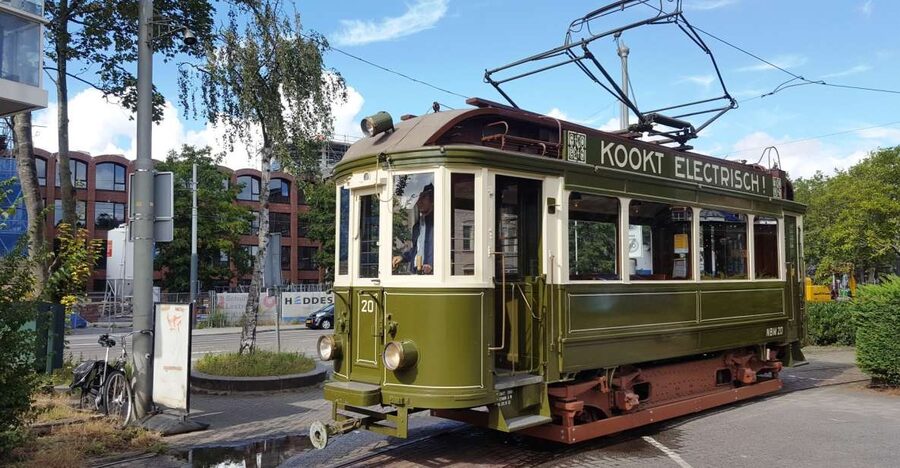
I would recommend it first to people who enjoy old trains, trams, mechanical details, and living museum experiences. Families may also like the ticket punch, bell, whistle, and visible departure routine, though the restrictions on strollers matter.
It is also a good choice if you want to visit Amsterdam Forest or Bosbaan lake without treating the outing as a major organized tour. The $9 return ticket keeps the cost low, and the one-hour format leaves room for other plans.
You may be disappointed if you want a guided sightseeing tour of Amsterdam’s best-known landmarks. The route’s appeal is specialized and hands-on. It rewards curiosity about public transport more than a desire for dramatic city views.
The activity also suits visitors who prefer a small, focused experience rather than a long day trip. You can ride the entire line, get off at a selected stop, or simply enjoy the working details of the tram before returning to the station.
Should you book the Haarlemmermeerstation tram?
Book it if the idea of a conductor punching your ticket on a restored tram sounds better than another standard city ride. The old signals, bells, track, and terminal routine give the experience real character, and $9 is a modest price for a return trip.
I would book it with realistic expectations. The tram is the star, while the route scenery can be ordinary. For the best value, pair the ride with one stop such as Amsterdam Forest, Bosbaan, Heemtuinen, the Old Village, or the Olympic Stadion, and check the return timing before stepping off.
Skip it if you need full wheelchair access, dislike motion on older vehicles, or want a nonstop parade of famous sights. For everyone else with even a passing interest in Amsterdam’s transport past, this is a pleasant, low-cost outing with enough practical detail to make the ride feel genuine.
FAQ
Where does the historic tram ride begin?
The ride begins at Haarlemmermeerstation in Amsterdam, at the Electric Tram Museum Amsterdam. Exchange your ticket at the Tramshop, then follow the host or greeter to the tram.
Where does the tram go?
The Lijn 30 tram travels from Haarlemmermeerstation to Amstelveen and returns to the starting point. Possible stops include the Olympic Stadion, Amsterdam Forest, Bosbaan lake, Heemtuinen, and Amstelveen’s Old Village.
How long does the experience last?
The activity lasts about one hour. Check availability for the exact starting times.
Is food or drink included?
No. Food and drinks are not included, and food and drinks are not allowed inside the tram.
Can I use a wheelchair or bring a stroller?
Non-folding wheelchairs, electric wheelchairs, and non-folding strollers are not allowed. The activity is not suitable for wheelchair users or people with mobility impairments.
Can I cancel the booking?
Yes. You can cancel up to 24 hours in advance for a full refund. The activity also offers a reserve now and pay later option.
Newest history tours we have reviewed in Amsterdam
- Amsterdam: Jewish Quarter and History Guided Tour★ 4.7 · 210 reviews
- Skipping Lines & Sipping Beers: A History Tour of Amsterdam★ 5.0 · 22 reviews
- Amsterdam: Iconic Canals & Historic Sights Walking Tour★ 4.5 · 90 reviews
- Amsterdam: Private Pedicab Historical Sightseeing Tour★ 5.0 · 41 reviews
- Amsterdam Walking Tour:Anne Frank, History & Liberal Culture★ 5.0 · 18 reviews
- Amsterdam: Walking Tour of Historic Center★ 4.6 · 24 reviews
- Amsterdam: Luxury Canal Cruise with Historic VR Experience★ 4.7 · 31 reviews
- Amsterdam: Ghost Walking Tour and Dark History★ 4.8 · 118 reviews
Amsterdam History Tours, compared.

Amsterdam Food and Cultural Tour with Tastings
Read our review →

Amsterdam High-End Dutch Food & History Tour – Up to 8 guests
Read our review →

Anne Frank and the Jewish History of Amsterdam Private Tour
Read our review →
3-Course Meal in Historic 1st Class Waiting Rooms
Read our review →
Browse the lists this tour appears in