
Review · FRANCE HISTORY TOURS
Aix-en-Provence: Between History and City Charm
Aix-en-Provence reveals itself best on foot, one fountain, old passage, and handsome square at a time. This 90-minute walking tour links the city’s grand avenue with its older lanes, churches, courtyards, and stories about the people who shaped Provence.
I like the way it mixes famous names with small human details, especially the stories tied to Paul Cézanne and the odd jokes left by local architects. I also like the flexible feel: guide Paula has adjusted the talk for children, questions, and individual interests. The main consideration is time. With several stops packed into a short walk, you get a lively introduction rather than time inside museums or a slow, detailed architectural study.
Key points at a glance
- Paul Cézanne’s Aix: Hear personal stories linked to the artist and the Lycée Mignet.
- A walk through changing eras: The route moves from La Rotonde and Cours Mirabeau to Saint-Sauveur Cathedral.
- A guide with a personal touch: Paula is praised for humor, warmth, clear English, and adapting the tour to questions.
- Small details matter: Look for architectural jokes, local anecdotes, and images used to show how Aix has changed.
- Good first-day orientation: The route gives you useful ideas for what to see and do after the tour.
- Simple, flexible booking: The price is $29 per person, with cancellation up to 24 hours before departure and payment later.
Starting at La Rotonde, where modern Aix meets the old city
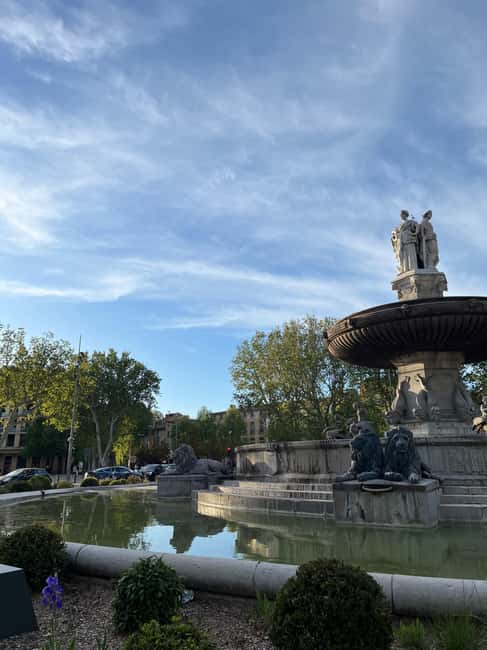
The meeting point is at the fountain in the roundabout across from Five Guys Aix-en-Provence. Your guide holds a Happy Walking Tour sign, so the location should be easy to spot even if you are still getting your bearings.
La Rotonde is a sensible place to begin. It is not just a traffic circle to cross on the way into town. It marks a useful divide between the newer part of Aix and the historic center. The opening talk gives you a basic timeline for the city, helping the later stops make more sense.
I appreciate this sort of beginning because it prevents the tour from becoming a string of unrelated monuments. You get a framework first, then the details have somewhere to land. The guide uses images to show changes over time, which is especially useful when the current streets give only a partial clue to what once stood there.
The meeting point is also practical for a short walking tour. You start in a recognizable public spot rather than at an obscure doorway, and the route finishes at Saint-Sauveur Cathedral. That means you can continue exploring the old center on your own instead of needing transport back to the start.
More History Tours in France:
- Paris: Louvre Museum Entry with History of Mona Lisa
★ 3.9 · 2,823 reviews - Paris: Dark History and Ghostly Guided Walking Tour
★ 4.7 · 1,000 reviews - Vieux Lyon Cultural & Historical Walking Guided Tour (English)
★ 5.0 · 942 reviews
Cours Mirabeau and the everyday life of Aix
The tour gives Cours Mirabeau about 25 minutes, making it one of the main stops rather than a quick pass-by. This tree-lined avenue is the city’s best-known urban promenade, edged by shops, restaurants, and historic facades.
Here, the guide can help you read Aix beyond its pretty surface. The avenue is both a sightseeing route and a place where daily city life happens. You will hear about its role in the city and get a sense of how Aix grew around this broad, social street.
I like having this stop early in the walk. If you are new to Aix, Cours Mirabeau gives you an immediate sense of scale and mood. It is also a useful reference point for later wandering, with lanes and squares branching off toward the older center.
The drawback is that the avenue can be visually distracting. Shops, traffic, restaurant signs, and people compete with the architecture. You may need to focus on the guide rather than expect a quiet, perfectly framed introduction.
The tour also includes a brief photo stop after this section. Do not expect a long pause for carefully composed pictures. It is more useful as a chance to record a few details while the guide continues the story.
Lycée Mignet and the young Paul Cézanne
The Lycée Mignet adds a personal thread to the walk. This is where Paul Cézanne and other important artists from Provence began their school years, and the guide uses the setting to discuss their early lives.
That approach is more engaging than simply listing Cézanne’s birth date and major paintings. You get a glimpse of the young person behind the famous name. The stories help connect the artist to Aix as a real place, not just a name attached to museum labels and painted views.
If Cézanne is a major reason you came to Aix, this part will be particularly useful. It does not replace a dedicated Cézanne tour or museum visit, and the experience does not include museum admission. But it gives you context before you seek out more of his work elsewhere in the city.
The emphasis on people is one of the tour’s strongest features. The guide also talks about other notable residents and people born in Aix, so the city becomes a collection of lives rather than a parade of buildings.
Saint-Jean-de-Malte and the wider European story
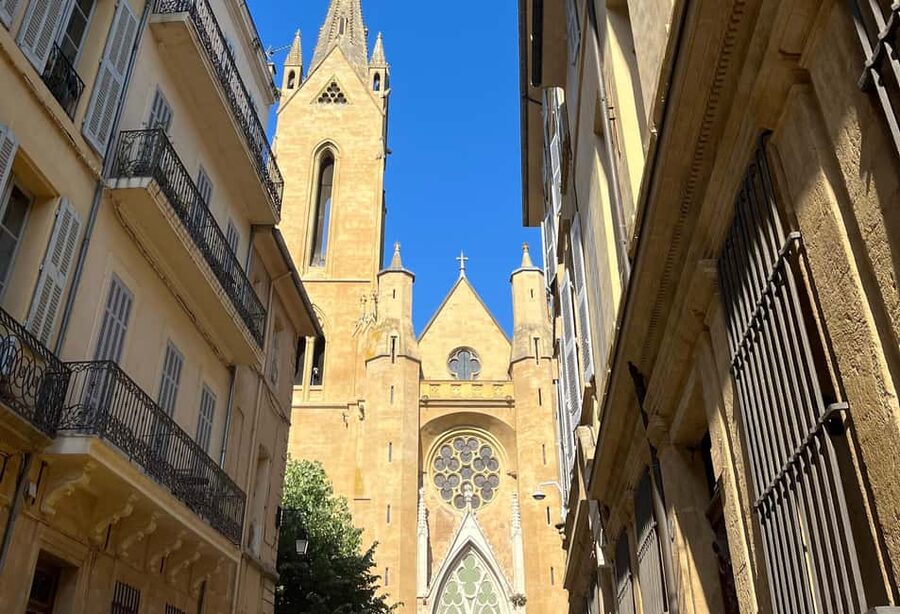
The stop at Saint-Jean-de-Malte lasts around 20 minutes and includes time for photographs and explanation. This church is connected with European history, giving the tour a wider frame than local anecdotes alone.
The value here is the connection between Aix and events beyond Provence. A church can look like an isolated monument if you only admire its walls and windows. A good explanation shows how religious buildings also reflect political links, cultural exchanges, and the ambitions of the people who funded them.
The supplied tour details do not promise interior access, so you should think of this as an exterior and historical stop rather than a full church visit. That matters if you want a long look at art or religious furnishings. You will get more from it if you listen for the connections and ask questions.
The tour is offered in English, Spanish, and Portuguese. The feedback specifically describes Paula’s English as clear and natural, with an easy manner when answering questions. If you choose another language, check the available departure details before booking.
Same streets, a different century:
- Bordeaux: Historic Center & Chartrons District Bike Tour
★ 4.8 · 709 reviews - From Strasbourg: Best Of Alsace Historical Day Trip
★ 4.7 · 633 reviews - Toulouse Food & History Tour with a Chef (in English)
★ 5.0 · 503 reviews - Notre Dame Cathedral: Exterior Guided Tour & Unscheduled Access
★ 4.5 · 409 reviews
Place des Prêcheurs, King René, and local character
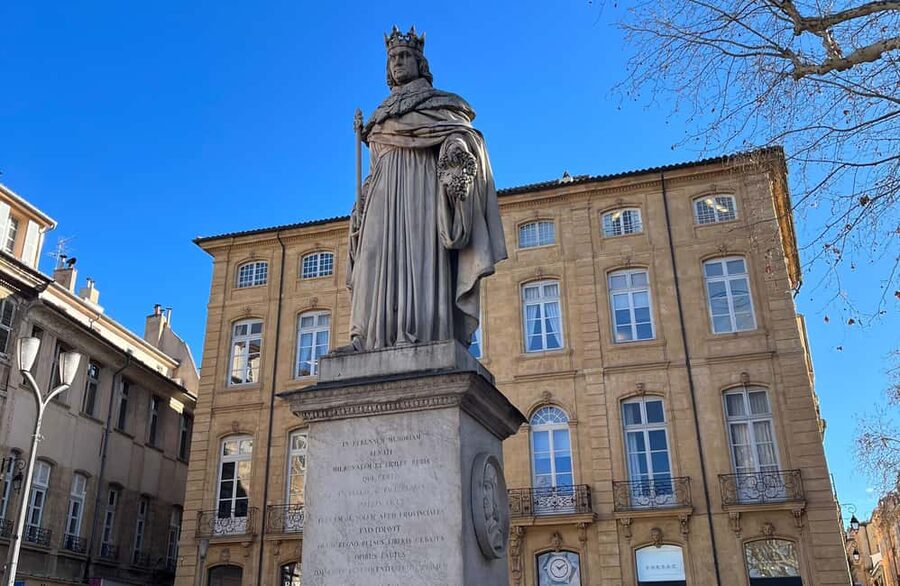
The route continues to Place des Prêcheurs, with a photo stop and guided explanation. This part includes the Fontaine du Roi René, which brings in the story of the beloved king of Aix.
Fountains are a big part of Aix’s visual identity, but they can blur together after a while. A story about the person represented or remembered by one fountain gives you a reason to stop and look closely. Here, the fountain becomes a doorway into local memory and the way Aix honors its past.
This is also where the tour’s lighter side matters. The experience promises curiosities and jokes left behind by the city’s architects. Those details keep the walk from becoming a formal lecture. You may notice how a building or square contains a small visual joke only after the guide points it out.
The listed timing gives this area about 20 minutes, though the full experience is advertised as 90 minutes. In practice, you should expect a brisk route with explanation at selected points, not long periods of free time at every monument.
Place d’Albertas, a quieter pause in the old center
Place d’Albertas receives about 10 minutes. Compared with Cours Mirabeau, this square offers a calmer change of pace, with elegant buildings arranged around a central fountain.
This is the sort of place I want included on an introductory walk. The major avenue is easy to find on your own, but a smaller square can slip past you unless someone leads you there. Place d’Albertas gives you a chance to notice proportion, facades, and the way a public space can feel almost like an outdoor room.
The short stop is enough for orientation and photographs. It is not enough for a long architectural lecture, so use the time to ask about the details that catch your eye. If you enjoy decorative buildings and quiet corners, make a note of the square and return later at your own pace.
The contrast between this stop and the busier parts of the route helps you understand Aix as more than one grand boulevard. The city’s appeal comes from the changes in scale, from open avenues to small pedestrian spaces.
Passage Agard and the useful art of wandering
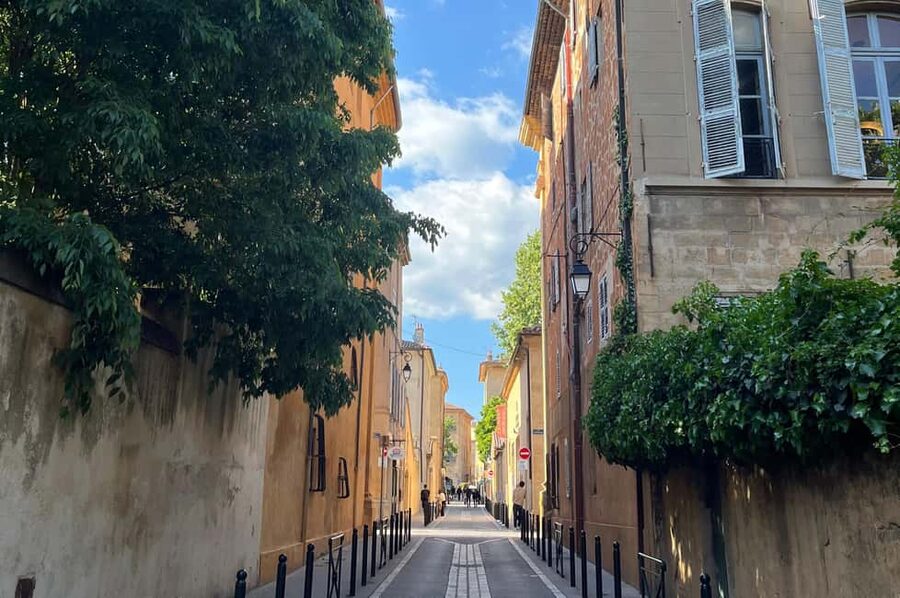
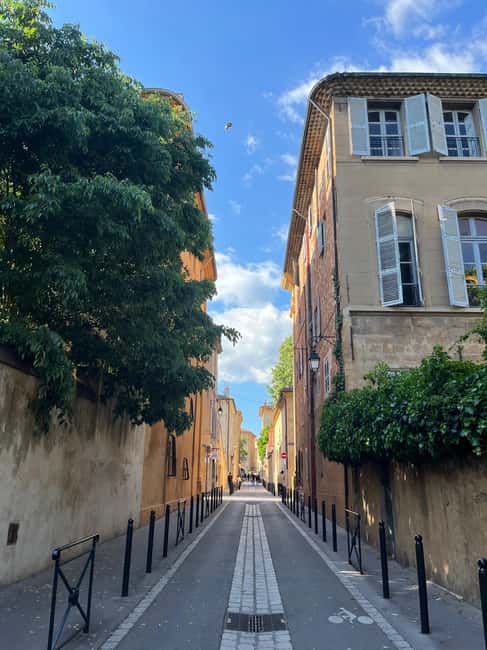
Passage Agard is included among the highlighted places on the route. This pedestrian passage is lined with shops and art galleries, giving the walk a more everyday, local feel.
Passages are easy to miss because they often look like simple shortcuts. Here, the guide turns one into part of the city’s story. You get a sense of how Aix links its main streets through narrower routes and how commerce and art fit into the old center.
This is also a practical stop for your own later exploration. If you want galleries, small shops, or a route away from the main avenue, remember where the passage opens. The tour does not include purchases or museum entry, so you can decide later how much time to spend inside the businesses along the way.
Palais de Justice and the marks left by architects
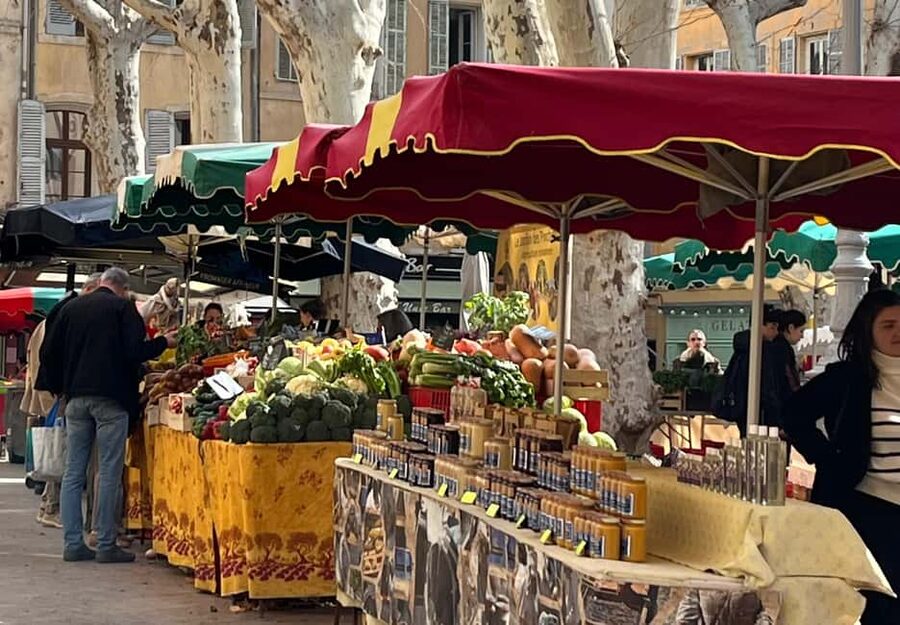
The Palais de Justice section brings in the history of the building, its ruins, and the market square nearby. This is a good example of how the tour handles Aix: not every stop is presented as a perfectly preserved monument.
Ruins can be more instructive than polished facades because they show that cities change, rebuild, and sometimes leave earlier layers visible. The guide’s use of images is useful here, letting you compare the current setting with earlier versions of the place.
The architectural curiosities also fit naturally into this section. You may find that a building tells two stories at once: the official story of its purpose and the playful story hidden in a detail added by its designer. These are the observations that are difficult to pick up from a guidebook while walking alone.
If you prefer uninterrupted sightseeing, the explanations may slow you down. If you like finding out why a building looks the way it does, this is exactly the kind of stop that justifies taking a guided walk.
Hôtel de Ville and the final approach to Saint-Sauveur
The Hôtel de Ville stop lasts about 15 minutes and includes time for photographs and a guided talk. From here, the walk moves toward the cathedral, giving the final part of the route a clear sense of arrival.
The city hall area is a useful place to discuss civic Aix, not only religious or artistic Aix. The guide connects buildings, public spaces, and local stories so you can see how the center functions as a living city rather than an open-air monument.
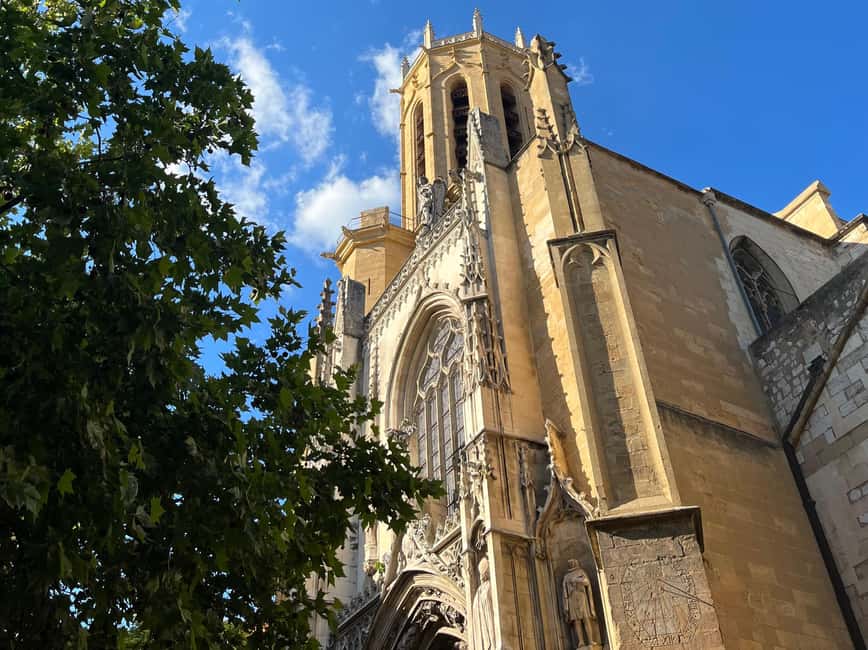
The final stop is the Parish Cathedral of Saint-Sauveur, also called Saint-Sauveur Cathedral. The listed visit includes about 15 minutes for photographs and explanation. The cathedral combines Gothic design, stained glass, and many architectural details, so even a short introduction can help you know where to look.
Do not expect the tour to give you unlimited time inside. The emphasis is on guided interpretation, and the tour ends here. That is a benefit if you want to continue at your own pace afterward. You can stay longer if access and opening conditions allow, but the supplied details do not promise a full interior visit or museum access.
What the guide adds to the walk
The guide is the difference between this being a route map and a useful introduction to Aix. Paula is the guide named repeatedly in the feedback, and she is described as warm, funny, clear in English, and attentive to questions. One booking became a private tour because no other participants had joined, which shows that the group size can vary.
That flexibility is worth noting. Paula has adjusted the content for families and made room for questions about the city and region. She has also offered suggestions for other things to do in Aix, so I would take the tour early in your stay if possible.
The strongest praise focuses on the human side of the guiding: stories that bring history to life, humor, kindness, and genuine interest in the city. A 4.9 rating from 30 ratings supports that impression, though a high score cannot guarantee that every departure will feel identical.
The tour is available in English, Spanish, and Portuguese. Some content may appear in its original language, so check the language choice when selecting your time.
Is $29 a fair price for 90 minutes?
At $29 per person, this is reasonably priced for a guided introduction to central Aix, especially if you value context and local stories. You are paying for a live guide who connects several places, not for admission to museums or special access inside monuments.
The value is strongest when you take the walk near the beginning of your visit. A guide can save you time by showing you the main route, pointing out smaller places such as Passage Agard and Place d’Albertas, and suggesting what deserves a longer return visit.
The price is less compelling if you want a slow architectural tour, extensive cathedral access, or a full Cézanne-focused experience. In that case, you would need to add museum visits or another specialist activity.
The booking terms also reduce the risk. You can cancel up to 24 hours before the tour for a full refund, and you can reserve now while paying later. The walk is wheelchair accessible, which makes it a practical option for many visitors, though the details provided do not explain the surface or accessibility of every passage and stop.
Who should book this Aix walking tour?
I would choose this tour if you are visiting Aix for the first time, want a clear introduction without committing half a day, or enjoy stories about people as much as buildings. Families may also like it because the guide can adjust the content for children and answer individual questions.
It is a good match for anyone interested in Cézanne, Provençal artists, local architecture, or the way European history appears in a small city. The English, Spanish, and Portuguese options add useful flexibility.
I would think twice if you dislike guided pacing or want to spend long periods taking photographs. The route covers many stops, and the 90-minute format means you will keep moving. Museum entry is not included, and the cathedral visit is part of the walking commentary rather than a separate extended visit.
FAQ
How long does the Aix-en-Provence walking tour last?
The advertised duration is 90 minutes. The route includes several guided stops from La Rotonde to Saint-Sauveur Cathedral.
Where does the tour begin?
It begins at the fountain in the roundabout across from Five Guys Aix-en-Provence. The guide holds a sign reading Happy Walking Tour.
Where does the tour finish?
The tour finishes at Saint-Sauveur Cathedral in Aix-en-Provence.
Which languages are available?
The live tour is available in Portuguese, English, and Spanish. Some content may be shown in its original language.
Is the tour wheelchair accessible?
Yes, the activity is listed as wheelchair accessible.
Are museum admissions included?
No. Museum access is not included in the tour price.
Can I cancel the booking?
Yes. You can cancel up to 24 hours before the activity for a full refund. You can also reserve now and pay later.
Should you book it?
Book this walk if you want Aix to make sense quickly. Its best features are the people-centered stories, the links to Cézanne and King René, the smaller stops that are easy to miss, and a guide such as Paula who can add humor and adjust the talk to your interests.
Think of it as a lively orientation, not a complete study of every monument. Take it early, keep your afternoon free for the places that catch your attention, and you will get the most value from the $29 price.
Newest history tours we have reviewed in France
- Avignon: History and Legend Walking Tour★ 4.8 · 122 reviews
- Avignon: Private Walking Tour – Discover History & Heritage★ 4.3 · 45 reviews
- Avignon: Historic District Guided Food & Wine Walking Tour★ 4.8 · 84 reviews
- Arc de Triomphe Rooftop: Unveil History & Breathtaking Views★ 3.1 · 23 reviews
- Arles: Private Guide Tour – Explore History & Culture★ 4.3 · 22 reviews
- The History of Paris: Historical Le Marais Private Tour★ 4.5 · 47 reviews
- Private Half Day Historic Tour★ 5.0 · 58 reviews
- History of Paris City Center w/ Notre Dame Semi-Private 12ppl Max★ 5.0 · 194 reviews
France History Tours, compared.
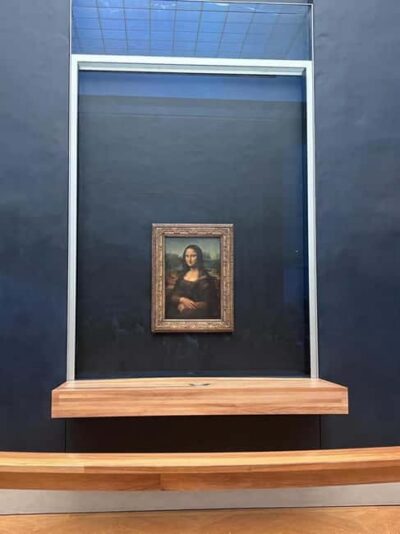
Louvre Museum Entry with History of Mona Lisa
Read our review →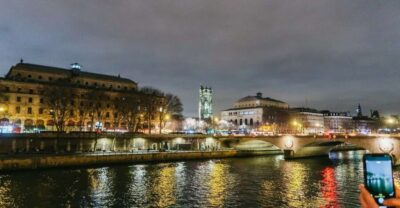
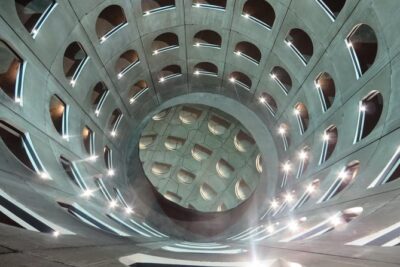
Vieux Lyon Cultural & Historical Walking Guided Tour (English)
Read our review →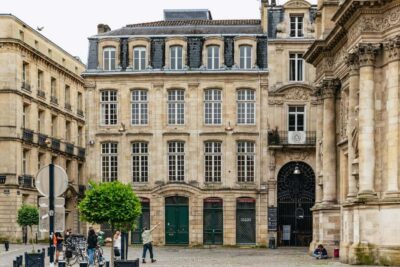
Bordeaux: Historic Center & Chartrons District Bike Tour
Read our review →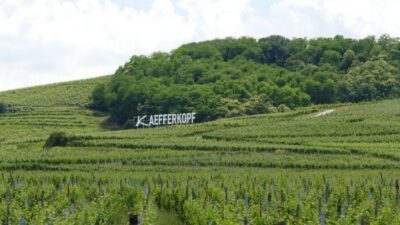
From Strasbourg: Best Of Alsace Historical Day Trip
Read our review →
Toulouse Food & History Tour with a Chef (in English)
Read our review →
Notre Dame Cathedral: Exterior Guided Tour & Unscheduled Access
Read our review →
Strasbourg: Guided Historical Neighborhoods Walking Tour
Read our review →Browse the lists this tour appears in