
Review · KOREA HISTORY TOURS
From Busan: Gyeongju UNESCO World Heritage Guided Day Tour
Gyeongju is Korea’s ancient capital, and this long day trip gives you a useful sweep of its greatest sights without the trouble of arranging several buses and entrance tickets. Bulguksa Temple, the royal tombs, traditional villages, and moonlit palace ruins each show a different side of Silla-era Korea.
I like the choice of three routes, and I like the guides’ practical help. Guides such as Bobby Kim, Jun-a, Olivia, and Song are praised for clear explanations, group management, and taking photos for solo visitors. The tradeoff is simple: this is a full, active day, with up to 100 minutes on the bus each way and plenty of walking.
Key points to know before booking
- Three routes let you shape the day: Choose Yangdong Folk Village, Gyochon Traditional Village, or Gyeongju National Museum.
- Bulguksa begins the historical story: The temple’s stone terraces and wooden halls provide a strong introduction to Silla culture.
- The evening finish is the visual prize: Packages A and B include illuminated Woljeong Bridge and Donggung Palace with Wolji Pond.
- Guides add real value: English, Chinese, and Korean support is available, with guides often helping with photos and timing.
- Expect a packed schedule: Stops are well chosen, but you will need comfortable shoes and a little stamina.
- At $52, transport is the main saving: You pay for a full day of sightseeing, guided context, and return travel from Busan.
Why Gyeongju works so well as a day trip from Busan
Gyeongju is far more than a quick temple stop. It was the capital of the Silla Kingdom, and its historic areas spread across a broad part of the city. That makes independent sightseeing possible, but not always simple in one day.
This tour handles the long-distance transport for you. The coach ride takes about 100 minutes each way, depending on traffic, and pickup points include Seomyeon Station Exit 12, Haeundae Station Exit 5, and KTX Busan Station Exit 1. That range of meeting points is helpful if you are staying in different parts of Busan.
The day lasts between eight and twelve hours. The exact length depends on the route, traffic, and timing at each stop. I would treat it as your main activity for the day, not something to squeeze between other plans.
The group can range from one person to as many as 43. A small group can move faster and may reach Busan early, while a large coach group requires more care at meeting points. Guides including Bobby Kim, Jun-a, Brian, Angela, and Victoria have received special praise for keeping groups together and handling timing well.
More UNESCO World Heritage Tours in the world:
- World Heritage Shirakawa-go and Experience Tours from Kanazawa
★ 5.0 · 4,049 reviews - From Tirana: Berat UNESCO Heritage & Belshi Lake Tour
★ 4.9 · 3,863 reviews - Bali: Tanah Lot UNESCO World Heritage Sites Full-Day Tour
★ 4.7 · 1,947 reviews
Bulguksa Temple gives the day a strong start
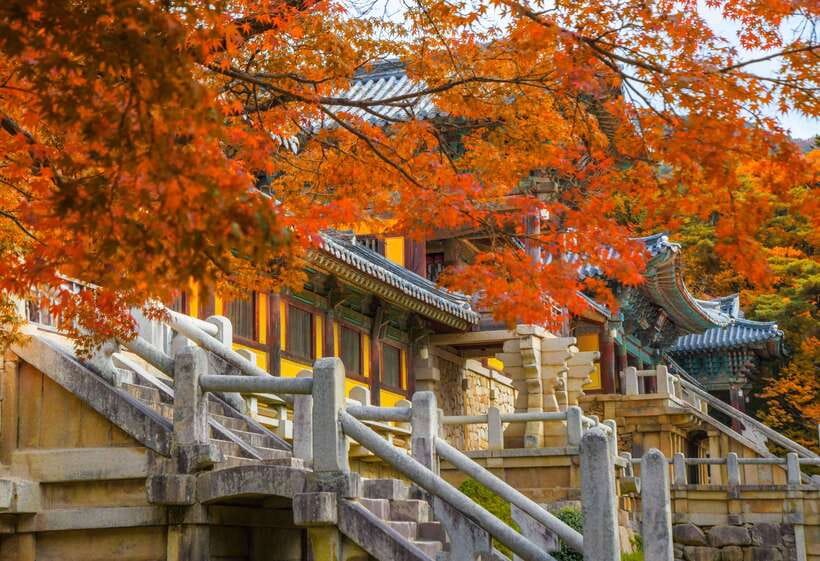
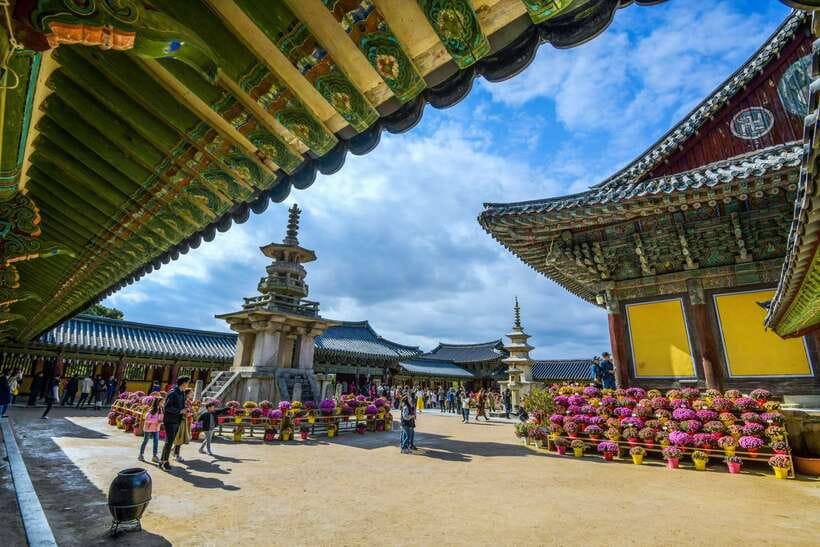
All three packages visit Bulguksa Temple. You get roughly 70 minutes here, usually with a guided walk through the temple complex and time to look around on your own.
The appeal is architectural. Bulguksa is known for its wooden buildings raised on carefully built stone terraces, so the site gives you more than a simple look at a religious building. The terraces, stairs, halls, and surrounding details show the skill and care behind Silla Buddhist design.
A guide makes this stop much more useful. Without context, you might admire the shapes and colors but miss why the temple matters. Guides such as Song, Olivia, and Jun-a are praised for explaining the meaning of each place clearly, which helps you connect the building to the wider story of ancient Korea.
There are stairs and outdoor paths here, so wear shoes with good support. Seventy minutes is enough for a focused visit, but it is not enough for a slow, scholarly study of every corner. The tour gives you an introduction rather than unlimited time.
Choose between Yangdong and Gyochon
The biggest difference between Packages A and B is the traditional village visit.
Package A: Yangdong Folk Village
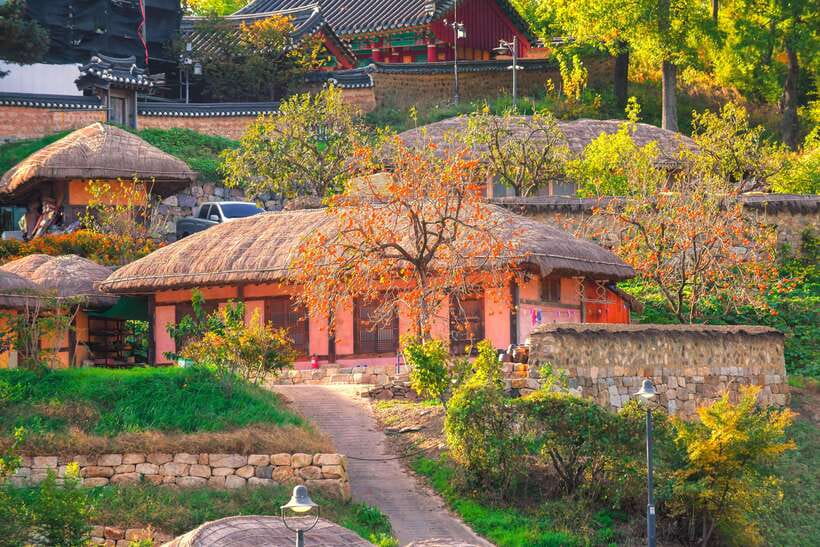
Yangdong Folk Village is a UNESCO World Heritage site with traditional hanok houses linked to the Joseon dynasty. The stop lasts about 90 minutes and includes admission.
This is the better choice if you want a larger village setting and a strong look at old Korean residential life. The houses, lanes, and setting help you picture how families lived across generations. The village is not just a collection of restored buildings. It gives the day a human scale after the grand religious architecture of Bulguksa.
You should expect walking on uneven surfaces and some slopes. The village visit is scenic and cultural, but it takes energy. If you have limited mobility, ask the provider about the route before booking.
More Guided Tours in the world:
- History and Hauntings of Salem Guided Walking Tour
★ 5.0 · 14,564 reviews - Edinburgh: Edinburgh Castle Guided History Tour with Tickets
★ 4.8 · 9,933 reviews - Historic Charleston Guided Sightseeing Walking Tour
★ 5.0 · 6,216 reviews - Rome: Colosseum with Arena, Roman Forum and Palatine Guided Tour
★ 4.0 · 5,598 reviews
Package B: Gyeongju Gyochon Traditional Village
Package B visits Gyochon Traditional Village for about 100 minutes. Here, the focus is the ancestral homes of the Gyeongju Choi clan and the area’s continuing connection to local heritage.
Gyochon makes a good contrast with Yangdong. It feels more closely tied to Gyeongju itself, while Yangdong offers the wider village experience. Choose this route if family history, traditional homes, and a more central historic district appeal to you.
The choice is not about finding a superior package. It is about the kind of cultural setting you prefer. Package A includes Yangdong Village entry, while Package B substitutes Gyochon and follows a slightly different rhythm.
Royal tombs and Hwangnidan Street show old and new Gyeongju
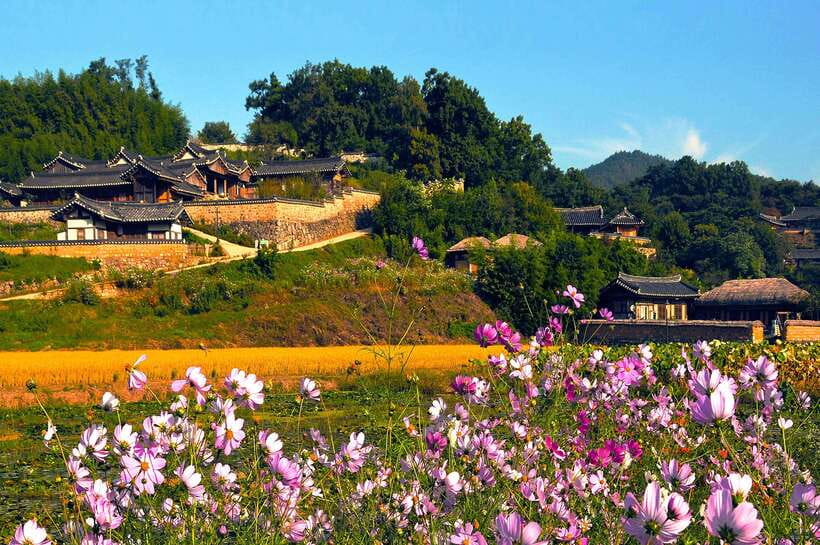
All routes include the Daereungwon Royal Tomb area, with about 75 minutes for the visit. Package A includes admission to the Cheonmachong Tomb.
The grassy burial mounds are among Gyeongju’s most recognizable sights. They look quiet and simple from the outside, but they were built for Silla royalty and contain the remains and possessions of the ancient ruling class. Cheonmachong gives you a closer look at the tomb tradition and the objects connected to it.
This stop is especially valuable after Bulguksa. At the temple, you see faith and craftsmanship. At Daereungwon, you see how power and status were expressed through burial. The guide’s explanation helps turn rounded earth mounds into part of a larger story.
Next comes Hwangnidan Street, with about 30 minutes of free time. This is the modern pause in the schedule, lined with cafes, small shops, boutiques, and street food. Historic buildings and newer businesses share the same area, so you can grab a snack, browse, or take photos.
Thirty minutes is brief. I would not plan a full meal and serious shopping here. Think of it as a chance to stretch your legs and see how Gyeongju has adapted its old center for present-day life.
The evening views make Packages A and B worthwhile
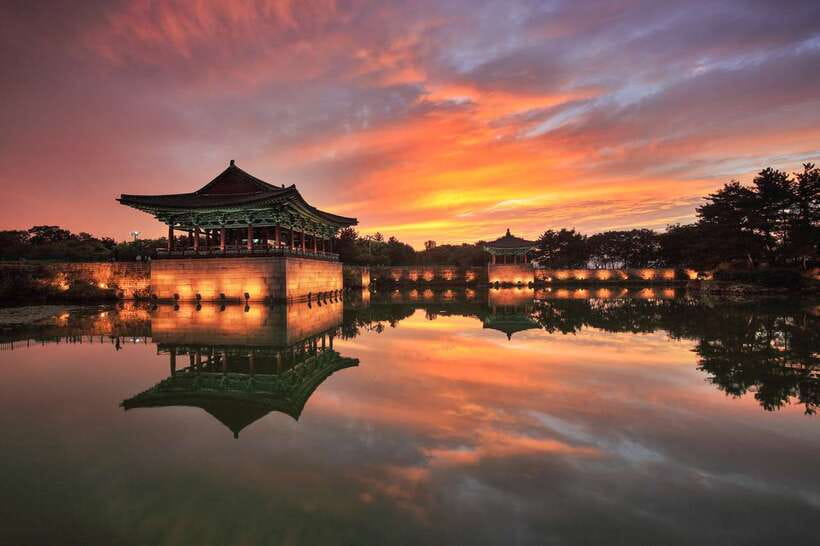
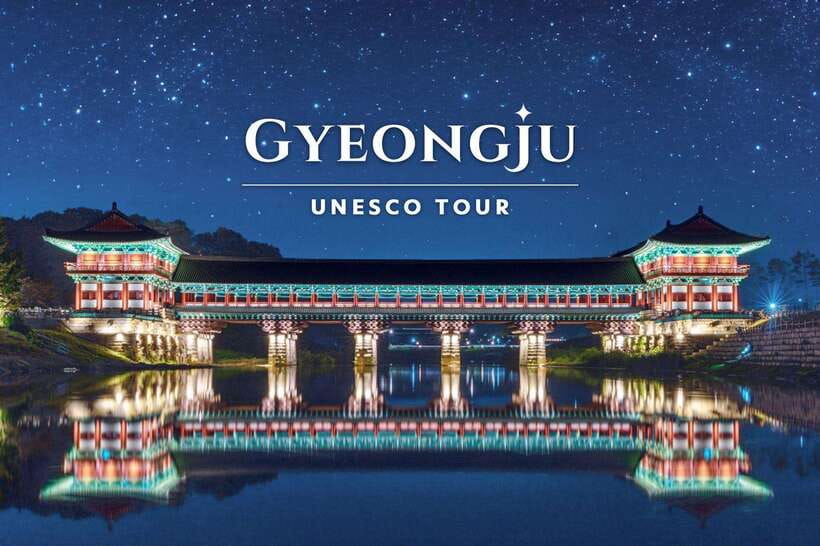
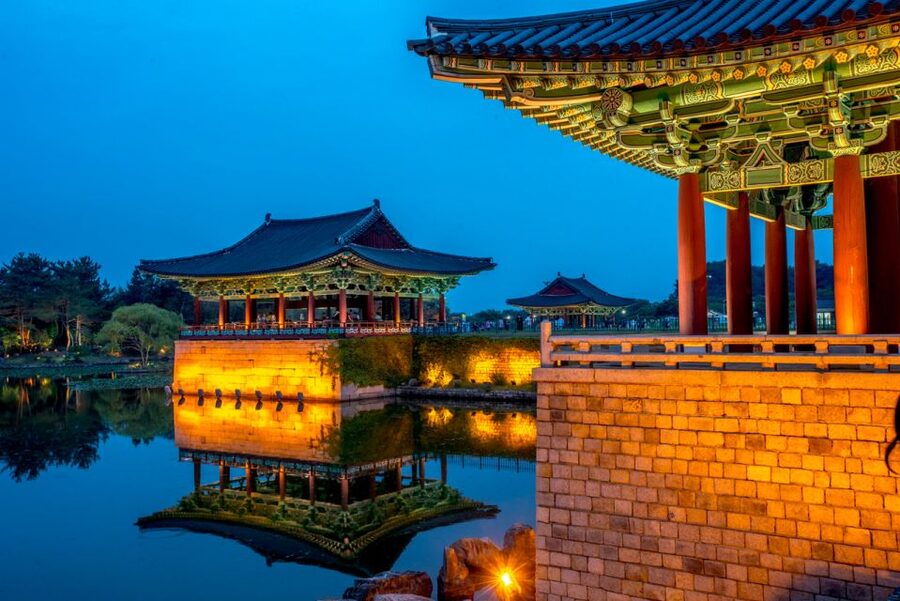
Packages A and B continue to Woljeong Bridge for a photo stop of about 20 minutes. The bridge has been reconstructed in wood and is especially attractive after dark when it is lit.
The stop is short, but the setting photographs well. Your guide may point out useful angles and help with group photos. This practical service comes up often with guides such as Bobby Kim and Song, who are praised for knowing good photo locations and helping solo visitors capture pictures.
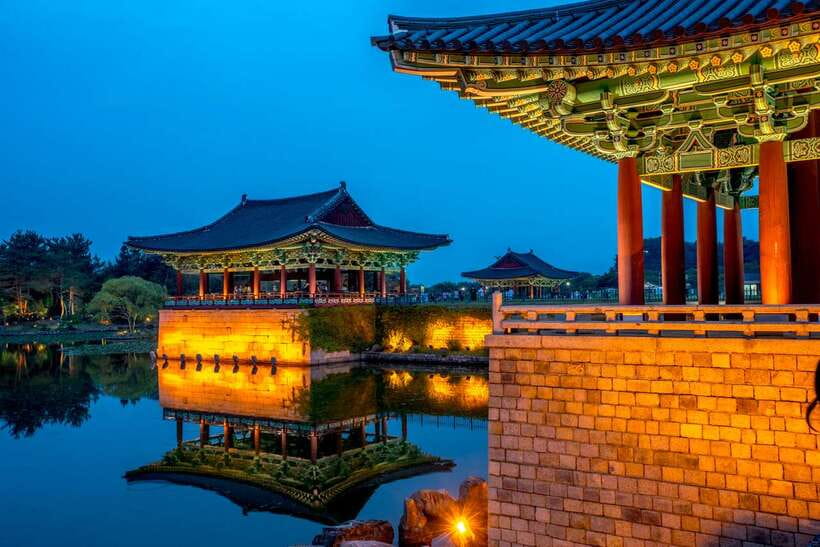
The final stop on these two routes is Donggung Palace and Wolji Pond, with about an hour for sightseeing. This was once part of the Silla palace complex. At night, the lights reflect in the pond, creating the most atmospheric scene of the day.
This is the tour’s strongest finish. After temples, villages, tombs, and city streets, the pond offers a quieter visual moment. The hour gives you enough time to walk, look across the water, and take photos without the stop feeling like a rushed roadside pause.
Keep in mind that evening conditions can vary. Weather and traffic may affect the schedule, and popular dates can bring larger crowds. Still, if night scenery matters to you, Packages A and B have the clearest advantage.
Package C trades night scenery for the national museum
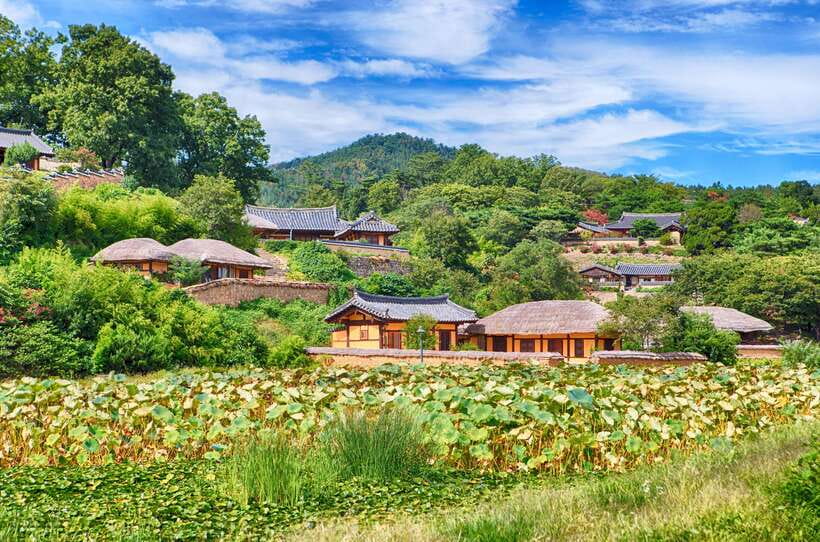
Package C is the museum-focused option. It includes Bulguksa, Hwangnidan Street with the Daereungwon Tomb Complex and Cheomseongdae area, and Gyeongju National Museum.
The museum visit lasts about an hour and is free time rather than a fully guided museum tour. This route suits you if artifacts matter more than evening photography. The collection includes important Silla objects such as golden crowns and Buddhist relics, giving you a chance to see the material culture behind the sites visited during the day.
The compromise is clear. Package C does not list Yangdong or Gyochon, and it does not include the evening visits to Woljeong Bridge and Donggung Palace with Wolji Pond. You get more museum time, but less village life and less night scenery.
If this is your first Gyeongju visit and you want the most varied day, Package A or B may feel more satisfying. If you prefer indoor exhibits and ancient objects, Package C is the more focused choice.
What the $52 price really covers
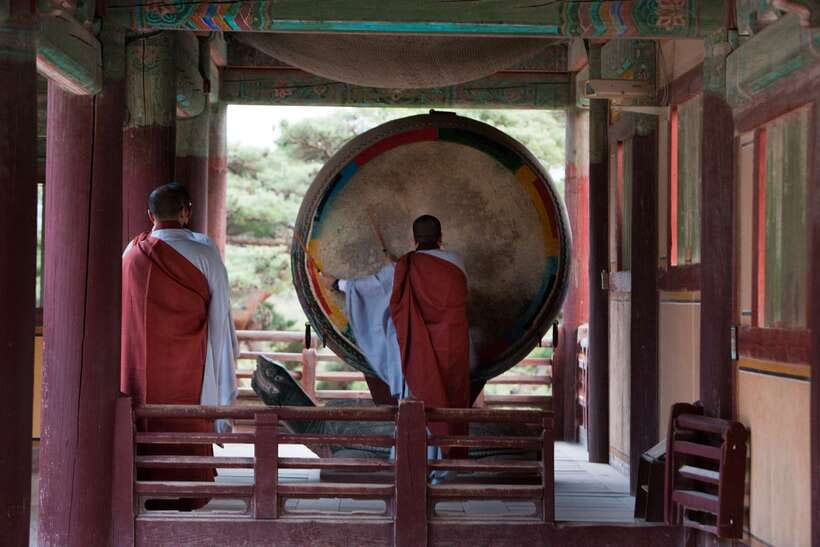
At $52 per person, the value comes mainly from the coach, guide, and amount of ground covered. You are traveling from Busan to Gyeongju and visiting several major areas in one day. Recreating that route independently would require planning local transport, checking opening times, and managing the return trip.
Package A includes Yangdong Village admission and the Cheonmachong Tomb entry. Packages A and B include Donggung and Wolji admission. Meals, insurance, and personal spending are not included.
Lunch is not part of the advertised price, but the day includes an affordable restaurant option according to the tour arrangements described by the guides. Some people choose a traditional Korean meal, and one account notes that meal choices can be selected in advance on the bus for an additional charge. If you need vegetarian food, ask what choices are available before the meal.
The price is strongest for a first visit from Busan. You receive transport, language support, entrance coverage on selected routes, and a guide who explains what you are seeing. The value is weaker if you dislike fixed schedules or want to linger for hours at one site.
Guides make the difference
The tour offers English, Chinese, and Korean-speaking staff. Guide quality matters on a day with this much history, and the most praised qualities are practical ones: clear explanations, good timing, patience, humor, and help with photos.
Bobby Kim is often singled out for friendly group management, useful historical explanations, and taking pictures. Jun-a is praised for warmth, organization, and keeping a busy day moving. Olivia, Song, Brian, Angela, Victoria, Rico, and others are also noted for clear instruction and personal attention.
The guide may explain a site before you enter, then give you free time to explore. That balance works well. You learn enough to understand the place, but you are not forced to remain in a single group for every minute.
The group may include English and Chinese speakers with separate language support. This can mean more than one guide is working with the coach. It also means the exact guide you receive can vary, so book this for the structure and route rather than expecting one particular person.
The real demands of this long day
The biggest issue is stamina. You will walk through temple grounds, villages, tomb areas, bridges, and palace grounds. Several people specifically advise comfortable shoes, and that is not a minor suggestion.
The schedule is tightly planned, but it is designed to give you a taste of many places rather than a slow visit to one or two. A guide may help older members with stairs or difficult sections, but the itinerary itself remains active.
Traffic can affect the coach ride and the order of the day. Weather can also change the experience, especially at outdoor villages and the evening pond. The tour still operates within those conditions, but you should keep your plans flexible after returning to Busan.
Infants aged two and under can join free if they do not occupy a seat. If you bring a stroller, notify the provider 48 hours ahead. These details matter because the day includes a coach ride and multiple outdoor stops.
Who should book this Gyeongju tour
I would recommend it to a first-time visitor staying in Busan who wants the major Gyeongju sights without arranging a complicated day independently. It is also a good fit if you want historical context, photo help, and a clear route through a spread-out city.
Families with older children may appreciate the changing pace: temple, village, tombs, shops, bridge, and pond. Solo visitors can also benefit from guides who are willing to take photos.
I would be more cautious if you want a relaxed holiday pace, dislike coaches, or need long breaks. Package C may suit you best if museums are your priority. Package A is a strong all-around choice for UNESCO village scenery, while Package B offers a traditional village closer to Gyeongju’s central story.
Should you book it?
Book this tour if you want to see a lot of Gyeongju in one day and prefer having transport, timing, and historical explanation handled for you. At $52, it offers solid value, especially with selected admission fees included and return travel from Busan.
Choose Package A for Yangdong Village and the broadest cultural sweep. Choose Package B for Gyochon Village and the same appealing evening finish. Choose Package C for the national museum and Silla artifacts, but understand that you give up the moonlit bridge and pond.
Bring comfortable shoes, keep lunch flexible, and expect a long day. If that sounds like a fair trade for temples, royal tombs, old villages, and a glowing palace pond, this is a sensible way to meet Gyeongju.
FAQ
How long does the tour from Busan to Gyeongju take?
The full activity lasts about eight to twelve hours. The coach ride is listed at around 100 minutes each way, though traffic can affect the timing.
Where can I meet the tour?
Pickup points include Seomyeon Station Exit 12, Haeundae Station Exit 5, and KTX Busan Station Exit 1. The exact meeting point depends on the package booked.
Which languages are available?
Live guide support is available in English, Chinese, and Korean.
What are the three package options?
Package A includes Yangdong Folk Village, Bulguksa Temple, Daereungwon and Hwangnidan Street, Woljeong Bridge, and Donggung Palace with Wolji Pond. Package B replaces Yangdong with Gyochon Traditional Village. Package C includes Bulguksa, the Hwangnidan and Daereungwon area with Cheomseongdae, and Gyeongju National Museum.
Is lunch included?
No. Meals are not included in the tour price. An affordable restaurant option may be available, and meal choices can be arranged in advance on the bus for an additional cost.
Are entrance fees included?
Yangdong Village and Cheonmachong Tomb admission are included with Package A. Donggung and Wolji admission is included with Packages A and B. Personal expenses and other admissions are not included.
Is the tour suitable for infants?
Children aged zero to two can join free if they do not occupy a seat. If you bring a stroller, inform the activity provider 48 hours in advance.
What should I bring?
Wear comfortable shoes. The day includes substantial walking at temples, villages, tombs, and palace grounds.
Can I cancel the booking?
You can cancel up to 24 hours in advance for a full refund. A reserve-now, pay-later option is also available.
Newest history tours we have reviewed in the world
- Bilbao Historical Tour in small group★ 4.7 · 52 reviews
- Bologna: Street Food Tour in the Historic Center★ 4.8 · 125 reviews
- CEBU: Cebu City Heritage and Uphill Guided Tour★ 4.2 · 31 reviews
- Bishkek : City Tour (History, Architects, Statues & Culture)★ 4.9 · 54 reviews
- Blenheim: Omaka Aviation Heritage Centre Admission Ticket★ 4.9 · 31 reviews
- Berlin: Nazi History Walking Tour★ 4.8 · 33 reviews
- Best of Baku: 4-Hour City Tour Historic and Modern Landmarks★ 4.7 · 63 reviews
- Belfast: Best of Belfast History, Culture & Art Walking Tour★ 4.9 · 158 reviews
UNESCO World Heritage Tours, compared.
World Heritage Shirakawa-go and Experience Tours from Kanazawa
Read our review →
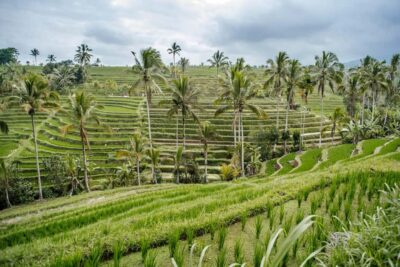
Bali: Tanah Lot UNESCO World Heritage Sites Full-Day Tour
Read our review →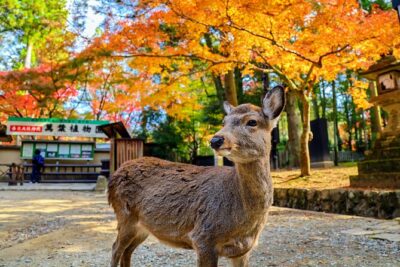
World Heritage Kyoto & Nara Uji Authentic Matcha Experience
Read our review →
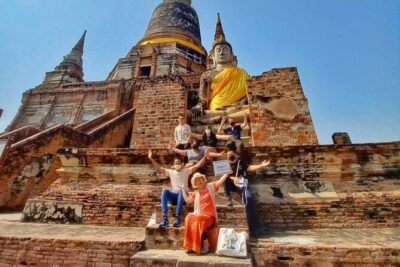
UNESCO’s Ayutthaya Historical Park: Full-Day Tour from Bangkok
Read our review →
Rotterdam: Kinderdijk UNESCO World Heritage Entry Ticket
Read our review →
Morning World Heritage Cruise on the Gordon River from Strahan
Read our review →Browse the lists this tour appears in