
Review · SPAIN HISTORY TOURS
Full-Day Tour Exploring History, Nature and Aloe Vera Farm
Gran Canaria’s best surprise is how quickly the island changes from resort beaches to cave homes, pine-covered mountains, and old Canarian villages. This seven-hour tour gives you a broad first look, from Agüimes and Teror to Roque Nublo, with a local guide such as Tom, Miguel, Simone, Angel, or Maribel leading the way.
I like the wide mix of places and the fact that you do not have to tackle Gran Canaria’s narrow mountain roads yourself. I also like the value: for $59.61, your guide, transfers, insurance, and aloe farm visit are covered. The tradeoff is real, though: you spend much of the day on a coach, and several stops are short.
Key things to know before booking
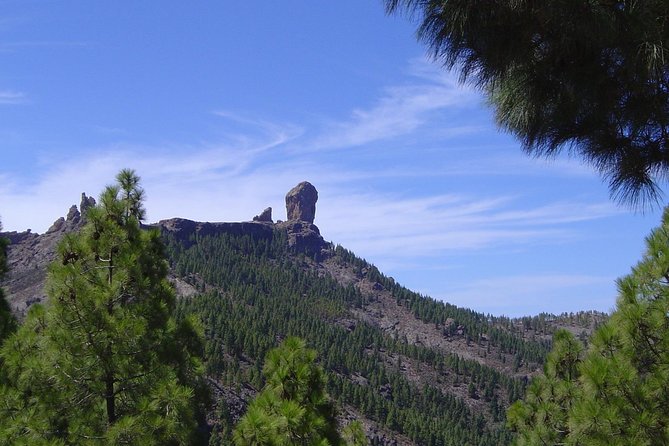
- Roque Nublo gives the day its strongest natural highlight, with an 80-meter volcanic crag tied to the island’s pre-Hispanic past.
- Agüimes and Teror show a more traditional Gran Canaria, with old streets, Canarian homes, and religious landmarks.
- The tour covers a lot of ground, but you often have only about an hour at major stops.
- Lunch is not included, and the scheduled restaurant meal is commonly priced around €12 to €13.
- The aloe farm can divide opinion, since the visit may feel more like a sales presentation than a farm lesson.
- Pickup is limited to southern Gran Canaria, with collection times spread roughly from 9:00 to 10:30 a.m.
A big island sampler from the southern resorts
This is the kind of outing that works best early in a Gran Canaria stay. If you are based in Maspalomas, Playa del Inglés, San Agustín, or another southern resort, the tour gives you a useful sense of the island’s scale and variety before you decide where to return on your own.
The route moves through old towns, mountain valleys, agricultural country, and protected volcanic scenery. You will not get a slow, intimate visit to every place. Instead, you get a moving introduction, with the guide adding background as the coach climbs and turns through the interior.
The tour is advertised at about seven hours, but pickup and drop-off can make it a longer day. Some departures have run from roughly 9:40 a.m. until 6:40 p.m. The pickup window is broad because the vehicle collects people from several southern hotels or nearby meeting points.
The group size is listed as a maximum of 40. Some departures have involved a smaller vehicle transferring people to a larger coach, and the coach may feel full. That matters if you prefer quiet transport or plenty of space around you.
More Farm Visits in Spain:
- Kona Tour: Bee Farm, Kona Coffee, and National Historical Parks
★ 4.5 · 78 reviews - Medellín: Flower Farm & Silletero History Tour
★ 4.3 · 23 reviews
Agüimes and Guayadeque: the strongest history stop
The old quarter of Agüimes is a good opening to Gran Canaria’s past. The town grew from an ancient aboriginal settlement, and its older streets give you a more grounded sense of the island than the purpose-built resort areas do.
You have about an hour here. That is enough for a look at the historic center and some photographs, but not enough for a slow museum-style visit. Keep your expectations practical: this is a quick introduction rather than a detailed walking tour.
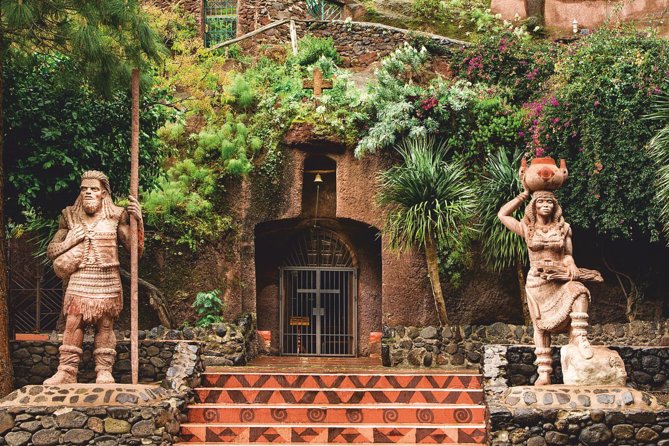
The wider Guayadeque Valley adds the most distinctive cultural detail. The valley is a protected natural monument, known for its steep sides, green vegetation, and cave dwellings. The first pre-Hispanic inhabitants used caves as homes, and some cave dwellings remain in use today.
That combination of geology and human history makes Guayadeque especially worthwhile. You are not just looking at a pretty valley. You are seeing how people adapted to the island’s dry, volcanic terrain.
The tour description links Agüimes and Guayadeque closely, but the exact amount of independent walking time can vary. Much of the valley is viewed from the road or during a planned stop, so bring comfortable shoes but do not expect a long hike.
Arucas: bananas, rum, and a quick northern stop
Arucas brings a different side of the island. The town is associated with banana cultivation and local rum, two products that help explain Gran Canaria’s agricultural economy.
You have about an hour here. The stop is useful for seeing another town outside the resort belt, but the schedule does not leave room for an extended tasting, long shopping session, or detailed exploration of every street.
This is also one of several points where the tour may include a commercial element. The route connects many sights with shops or product displays. That is not unusual on a packaged island tour, but it is worth knowing if you want a day focused only on monuments and scenery.
I would treat Arucas as a short orientation stop. Enjoy the town, listen for local context, and do not plan your whole understanding of rum or banana farming around this one hour.
Teror and its Canarian character
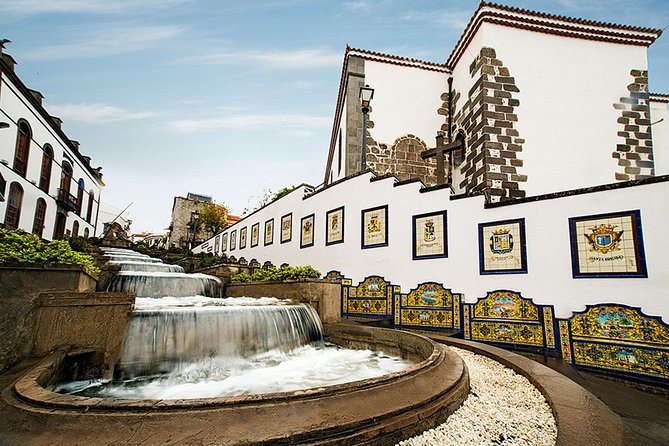
Teror is one of the more appealing village stops. Its Basilica of Nuestra Señora del Pino is linked to the patron saint of the Canary Islands, and the town has traditional Canarian houses, balconies, and stately buildings.
The setting gives you a look at a more formal, historic side of island life. It feels quite different from the hotel strips in the south. The central streets are the sort of place where you can pause for photographs and get a feel for local architecture.
The schedule allows about an hour, although some departures have provided less free time than that. One account described a visit of roughly 30 minutes, so be ready to move at the guide’s pace.
If religious buildings, old town centers, and local architecture interest you, Teror is likely to be one of the day’s better stops. If you want time to sit, shop, and explore side streets, the organized schedule may feel rushed.
More Full-Day Tours in Spain:
- From Madrid: History and Charm of Segovia Full-Day Tour
★ 4.1 · 75 reviews - Ninh Binh Heritage Full Day Tour with Buffet Lunch and Limousine
★ 5.0 · 2,692 reviews - Bali: Tanah Lot UNESCO World Heritage Sites Full-Day Tour
★ 4.7 · 1,947 reviews - UNESCO’s Ayutthaya Historical Park: Full-Day Tour from Bangkok
★ 4.5 · 1,559 reviews
Valleseco: lunch and mountain greenery
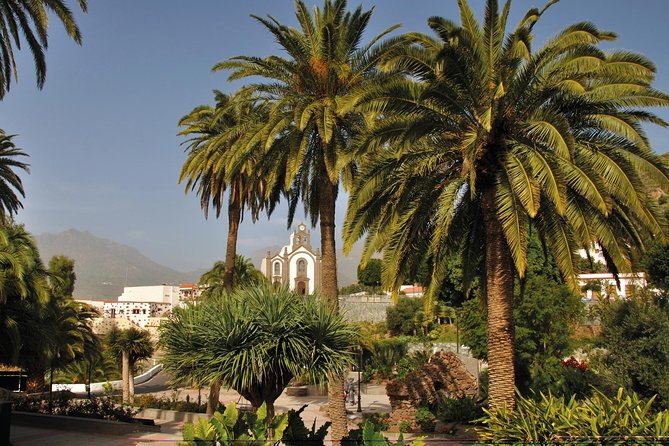
Valleseco is described as a place of thick vegetation, with about 80 percent of its territory protected as a natural area. The name can sound contradictory, but the setting is greener than the dry southern resorts, especially as the route climbs into the interior.
This is the longest planned stop, at about two hours. It is where you have free time to walk around and eat lunch.
Lunch is not part of the $59.61 price. The arranged meal is commonly a three-course menú del día with a drink for about €12, though one account put the cost at €13. That can be a fair deal, but the important point is that the meal is effectively built into the schedule. You are taken to a restaurant, and there may not be another convenient food choice nearby.
If you do not want the set meal, bring a sandwich or another packed lunch. Some people have done exactly that. You may find the restaurant busy, and the meal can take much of the available free time.
I like the way Valleseco breaks up the coach ride, but do not think of it as two full hours of relaxed village wandering. Part of that time is used for lunch, gathering the group, and getting back to the vehicle.
Roque Nublo: the day’s main natural sight
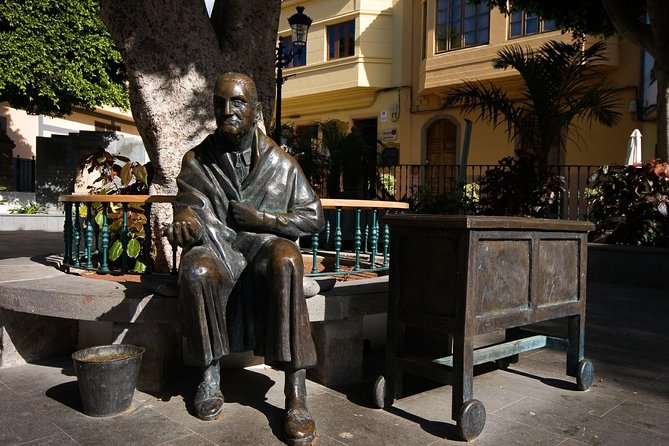
Roque Nublo is the most powerful stop on the route. The volcanic rock rises about 80 meters above its base and has long held special meaning for island residents. It was also a sacred place for the island’s aboriginal people.
The surrounding area became a protected natural area in 1987 and a rural park several years later. That protection helps explain why the setting feels open and largely undeveloped compared with the southern coast.
The stop lasts about an hour. You get time for views and photographs, though the exact walking involved depends on where the coach can stop and how the group is managed. This is not presented as a long mountain hike.
The roads leading through the mountains are a major part of the experience. They are winding and, in places, narrow. Skilled drivers such as Manolo, Lessandro, Alfredo, and others have been praised for handling the route carefully. You may find the coach ride itself exciting, especially when the road bends along the high country.
Sit by a window if you can. The view is often as important as the short stop. A coach does limit what you can see from inside, and one departure used a large coach rather than the smaller minibus some people expected. Still, the transport lets you reach mountain areas that you might avoid driving yourself.
Fataga and the aloe farm
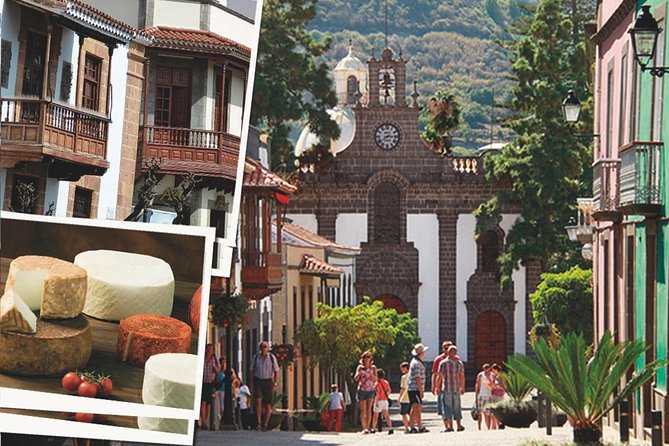
Fataga is associated with the Valley of the Thousand Palm Trees, but the tour does not stop in the village. That is an important distinction. You may see or pass through the area, but you should not expect a proper Fataga visit.
The final scheduled stop is an aloe vera property. Aloe is widely cultivated and sold in the Canary Islands, and the visit is meant to explain the plant’s uses and properties.
This stop is the least predictable part of the day. Some people appreciate learning about local cultivation and the products made from aloe. Others find the presentation too focused on selling creams, gels, or other goods. The sharpest criticism is that the farm feels like a shop visit presented as sightseeing.
I would plan for a commercial demonstration, not a working agricultural tour. Listen to the information, but keep your buying decision separate from the sales talk. Aloe may have useful cosmetic applications, but claims that it is a cure-all should be treated with caution.
If you dislike organized shopping stops, this could change your view of the whole excursion. If you are happy to browse and understand that product sales help support the visit, it may simply be a minor irritation at the end of a scenic day.
The guide makes a major difference
The guide is with you throughout the route, and the quality of the commentary can shape the experience more than any single stop. Guides named Tom and Miguel have been praised for giving extensive background on Gran Canaria’s history, while Simone, Angel, and Maribel have also been singled out for friendly, attentive service.
The challenge is language. The tour can combine English, German, Spanish, and other languages in one group. One guide has been described as speaking seven languages, while other departures used three-language commentary.
That is impressive, but it takes time. Information may be repeated briefly in several languages, and English explanations can become shorter later in the day. If detailed historical storytelling is your main goal, a smaller specialist tour in one language would likely suit you better.
For a general introduction, the multilingual format works well enough. You will hear about the island’s pre-Hispanic people, villages, farming, religious traditions, and volcanic origins. Just do not expect a long lecture at every stop.
How good is the $59.61 value?
At $59.61 per person, the tour is priced sensibly for a full day of transport, a guide, insurance, pickup, and a route through several parts of Gran Canaria. Renting a car, paying for fuel, and finding the mountain roads yourself could cost more, especially if you are not comfortable driving in unfamiliar terrain.
The strongest value comes from access. You can reach Guayadeque, Valleseco, and Roque Nublo without arranging several separate outings. You also get a quick look at northern towns such as Arucas and Teror.
The weaker value appears if you judge the tour by time spent on foot. Much of the day is on the coach, and the stops can feel brief. Add roughly €12 to €13 for lunch, unless you bring your own food. The aloe stop may also feel like time spent on shopping rather than sightseeing.
I would call it good value for orientation, transport, and variety. I would not call it the best choice for slow exploration, serious hiking, or detailed visits to individual towns.
Who should book this day out?
I would recommend it to you if this is your first visit to Gran Canaria and you are staying in the south. It is also a sensible choice if you do not want to drive, especially on narrow mountain roads.
It suits you if you like changing scenery, short walks, village photographs, and a guide who fills the road time with local information. Families and mixed-age groups may appreciate the simple structure, since most people can participate.
You may want another option if you need long walks, quiet villages, flexible meal choices, or a deep focus on one subject. The day can feel rushed, and the multilingual commentary may not satisfy someone seeking detailed history in English.
Bring water, comfortable shoes, sun protection, and a packed lunch if the set meal does not appeal. Keep some room in your schedule for a late return, since the pickup circuit can stretch the day beyond the stated seven hours.
Should you book it?
Book this tour if you want a broad first look at Gran Canaria without driving. The mix of Agüimes, Guayadeque, Teror, Valleseco, Roque Nublo, and the mountain roads gives you a useful picture of the island beyond the beaches.
Skip it if you want every stop to be unhurried or if commercial visits bother you. The aloe farm is the main warning sign, and the coach-heavy format will not suit everyone.
For the right person, this is a practical island sampler at a fair price. Treat it as an overview, not a series of full town visits, and you will have a clearer idea of which parts of Gran Canaria deserve a longer return.
FAQ
How long does the tour last?
The listed duration is about seven hours. Pickup and drop-off can extend the day, with some departures running from approximately 9:40 a.m. to 6:40 p.m.
Where does pickup take place?
Pickup is offered from hotels in southern Gran Canaria or from the nearest pickup point. Collection times can run roughly between 9:00 and 10:30 a.m.
Is lunch included?
No. Lunch is not included in the tour price. The scheduled restaurant meal is commonly around €12 to €13, or you can bring a packed lunch.
What places does the tour visit?
The route includes Agüimes, Arucas, Teror, Valleseco, Roque Nublo, and an aloe vera property. Fataga is mentioned as part of the route, but the tour does not stop in the village.
Is the aloe vera farm visit included?
Yes. The aloe vera farm visit is included, along with the guide, transfer, and insurance.
How large is the tour group?
The stated maximum is 40 people. Some departures have used a smaller vehicle for pickup before transferring people to a larger coach.
Do I need to be fit to take part?
Most people can participate. The tour includes short walks and stops, but it is mainly a coach excursion rather than a hiking tour.
Can I cancel for a full refund?
Yes, if you cancel at least 24 hours before the local start time. Cancellations or changes made less than 24 hours in advance are not refunded. Poor weather or failure to meet the minimum group size may result in another date, another experience, or a full refund.
Newest history tours we have reviewed in Spain
- Albayzín y Sacromonte, Unesco Heritage Neighborhoods★ 5.0 · 250 reviews
- Private Jewish History Tour★ 4.5 · 32 reviews
- Tapas&Tours with Leo – Tasting Culture and History★ 5.0 · 35 reviews
- Granada: 3-hour Historical Tour by Segway★ 5.0 · 104 reviews
- Skip the Line Get Your Alhambra Ticket Now and Step into History★ 4.0 · 22 reviews
- Girona Jewish Heritage small group from Girona★ 4.5 · 68 reviews
- Girona History, Legends, and Food Walking Tour with food tasting★ 5.0 · 195 reviews
- Girona History and Legends Tour Small Group from Girona★ 5.0 · 299 reviews
Full-Day, compared.
Ninh Binh Heritage Full Day Tour with Buffet Lunch and Limousine
Read our review →
Bali: Tanah Lot UNESCO World Heritage Sites Full-Day Tour
Read our review →
UNESCO’s Ayutthaya Historical Park: Full-Day Tour from Bangkok
Read our review →
Full-Day Aruba History and Must-See Landmarks Tour
Read our review →
Private Full-Day Tour of Historical Alexandria
Read our review →
Historical City of Ayutthaya – Unesco Full Day Tour From Bangkok
Read our review →
Luxembourg: Nature, History and Castles Full-Day Tour
Read our review →Browse the lists this tour appears in