
Review · TURKEY HISTORY TOURS
Ephesus Ancient City Highlight Tour For Cruisers
Ephesus is the star here, but the most interesting part is how much ground you cover in a half-day. You move from a quiet Christian pilgrimage site to the grand Celsus Library, then finish beside the lonely column that marks the Temple of Artemis, once one of the Seven Wonders of the Ancient World.
I like the easy cruise-port pickup and the fact that the tour can be shaped around your interests. I also like the guides’ personal touch: Memo has shared local recipes, Kaya has adjusted routes for individual groups, and Tijen Oral has used a downhill walking route to make Ephesus easier. The main drawback is that entrance fees, lunch, and drinks are not included, so your final cost will be higher than the advertised $22.
Key points at a glance
- Meet at the cruise port: Your guide waits near the Information Desk at the exit gate with a sign bearing your name.
- See Ephesus in about two hours: The route includes the Celsus Library, Hadrian’s Temple, the Fountain of Trajan, and the Great Theater.
- Visit three major religious sites: The House of the Virgin Mary, Saint John Basilica, and the Temple of Artemis each offer a different view of the region’s past.
- Choose a private group: A private option is available, useful if you want a flexible pace or a route shaped around your interests.
- Expect a walking tour: Comfortable shoes matter, and this experience is not suitable for people with mobility impairments.
- Budget for extras: Historical site admission, food, drinks, and personal purchases are paid separately.
Why Ephesus makes a strong cruise-day outing
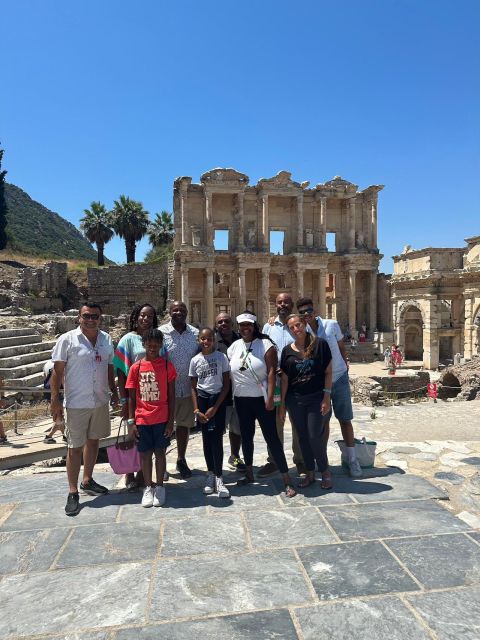
Kusadasi is one of the best ports in Turkey for a serious ancient-site visit. Ephesus was once an important harbor city and is also named in the Book of Revelation as one of the seven churches. Its ruins are not just scattered stones. You can still trace the city’s streets, civic buildings, religious sites, and public entertainment spaces.
The practical advantage of this tour is its compact schedule. In 4 to 4.5 hours, you visit the main ancient site plus several nearby places. That makes it a good fit for a cruise stop, when you want to see something substantial without spending the entire day away from the ship.
The pace will be active. Ephesus involves walking over uneven ancient surfaces, and the tour information specifically warns you to watch your step. If you have trouble walking, this is not the right choice. If you are comfortable on your feet, the route gives you a useful amount of history without requiring a full-day commitment.
More Ancient History Tours in Turkey
- Antalya: Ancient Perge, Aspendos Theater & City of Side Tour
★ 4.8 · 1,237 reviews - Ancient Perge, Aspendos Amphitheater and City of Side Tour
★ 5.0 · 644 reviews - From Antalya: Day Tour of Ancient Roman Sites
★ 4.7 · 278 reviews
Meeting your guide at Kusadasi port
The pickup is designed for cruise passengers. Your guide waits next to the Information Desk at the exit gate of the cruise port, holding a sign with your name. This is a small detail, but it matters after disembarking in an unfamiliar port. You do not need to search through a crowd or guess which vehicle is yours.
Transport is included, and the tour returns you to one of the listed Kusadasi port locations. At booking, provide your hotel name and location if you are staying on shore rather than arriving by ship. The available pickup and drop-off points include Feribot Iskelesi, Feribot Limani, and Port Kusadasi.
The tour is offered in English, French, German, and Spanish. A private group can also be arranged. That option is worth considering if your party has particular interests, wants more time for photographs, or prefers to set the pace. The standard price is $22 per person, but admission fees are extra.
Selcuk and the sacred sites near Ephesus
The route includes time in Selcuk, with about 30 minutes for sightseeing, photographs, and possible shopping. Selcuk is the regional base for the ancient sites, so this stop helps place Ephesus in its wider setting rather than treating the ruins as an isolated attraction.
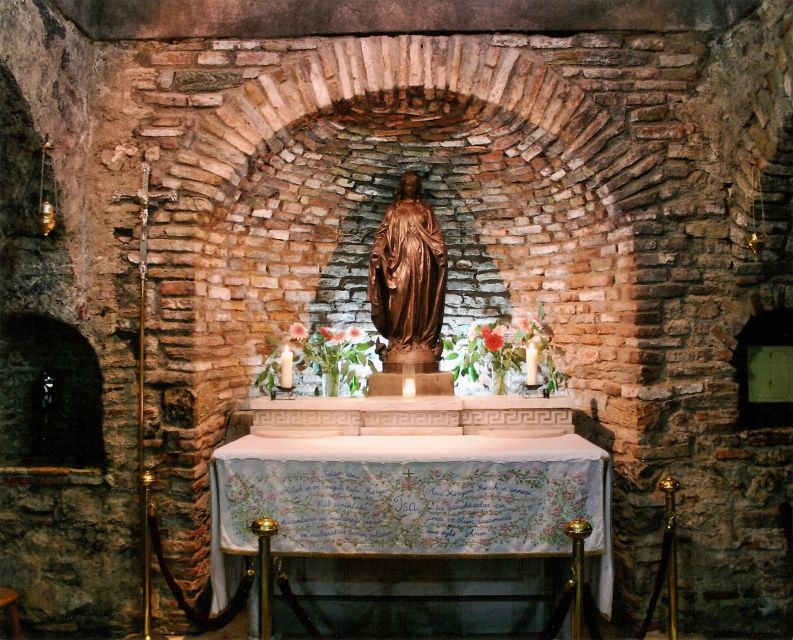
The House of the Virgin Mary comes next in the stated route, although the guide may change the order to avoid congestion. The site is associated with the final residence of Mary based on visions described by a German nun and later investigated by Lazarist priests. It is cared for by Lazarist Fathers, and Mass is celebrated there each day.
You should approach this stop as a place of faith as much as an archaeological sight. It is important to both Catholic and Muslim visitors, and the setting is quiet compared with the main ruins. The visit usually lasts about 45 minutes and includes time for photographs, sightseeing, and a guided explanation.
The site may feel especially meaningful if you are interested in Christian history. If your main goal is ancient architecture, it will not offer the same visual impact as Ephesus. Still, the change of mood is useful. After busy streets and monumental ruins, the House of the Virgin Mary gives the tour a calm pause.
Walking the marble streets of Ephesus
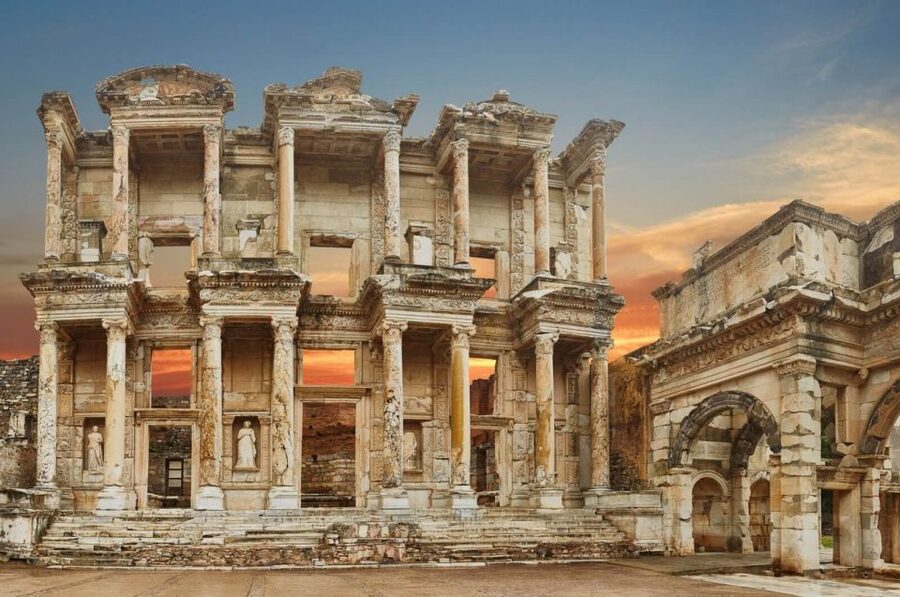
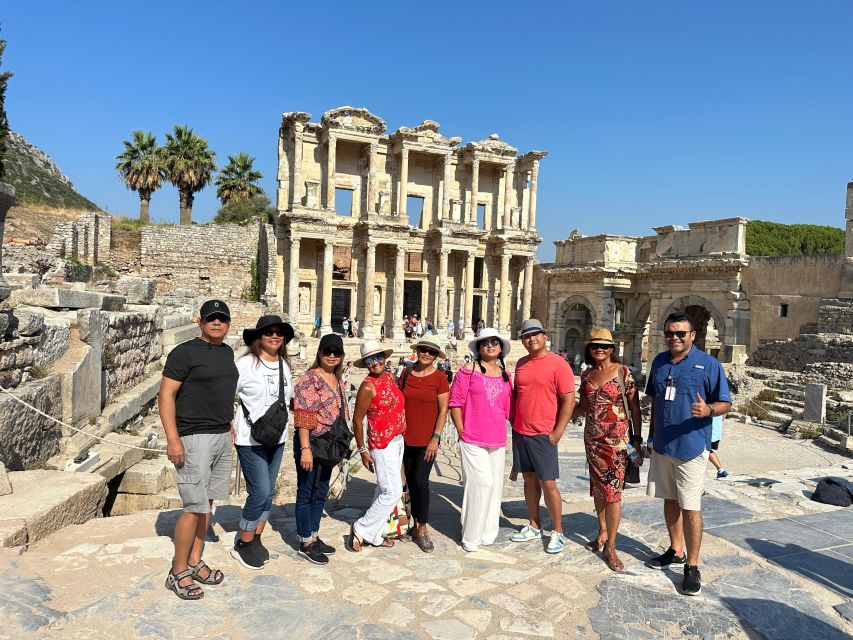
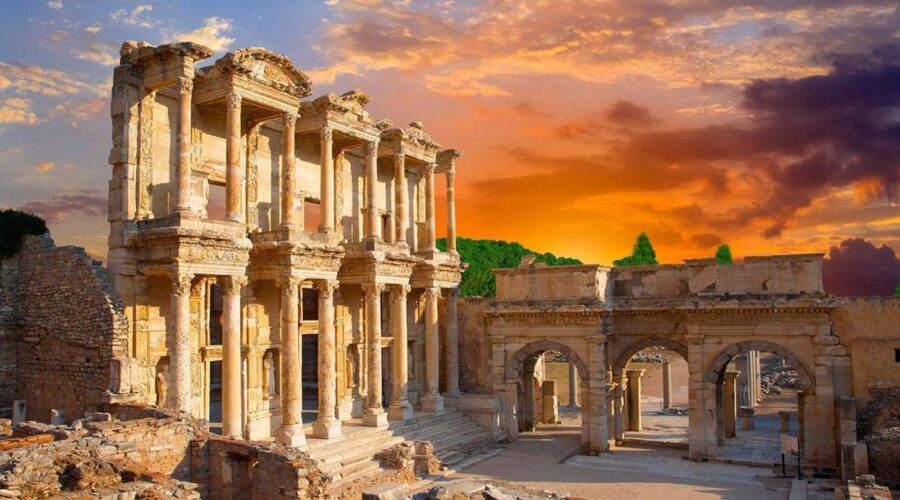
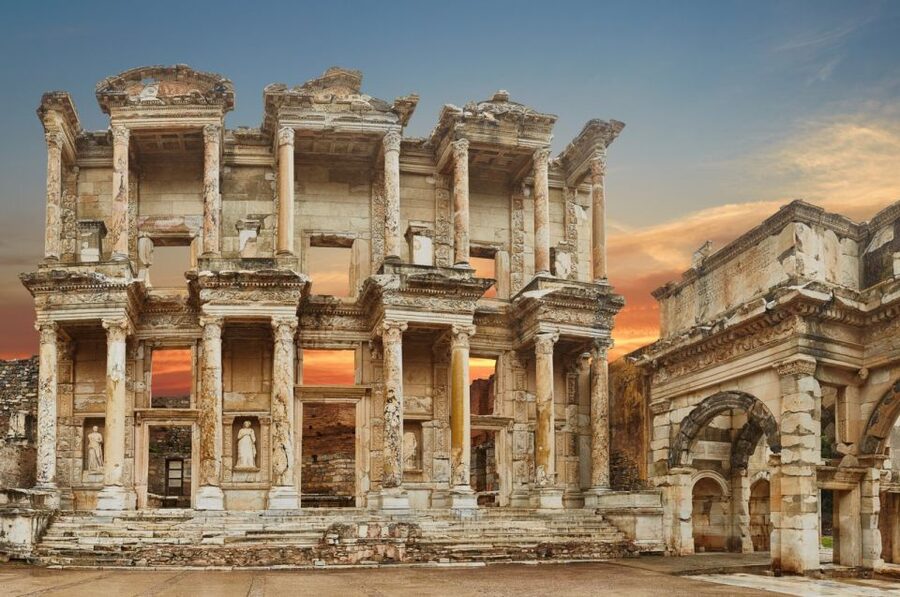
The main Ephesus visit takes about two hours, making it the heart of the experience. Your guide will point out the Celsus Library, the Temple of Hadrian, the Fountain of Trajan, and the Great Theater. These are the places that turn the site from a collection of ruins into a readable ancient city.
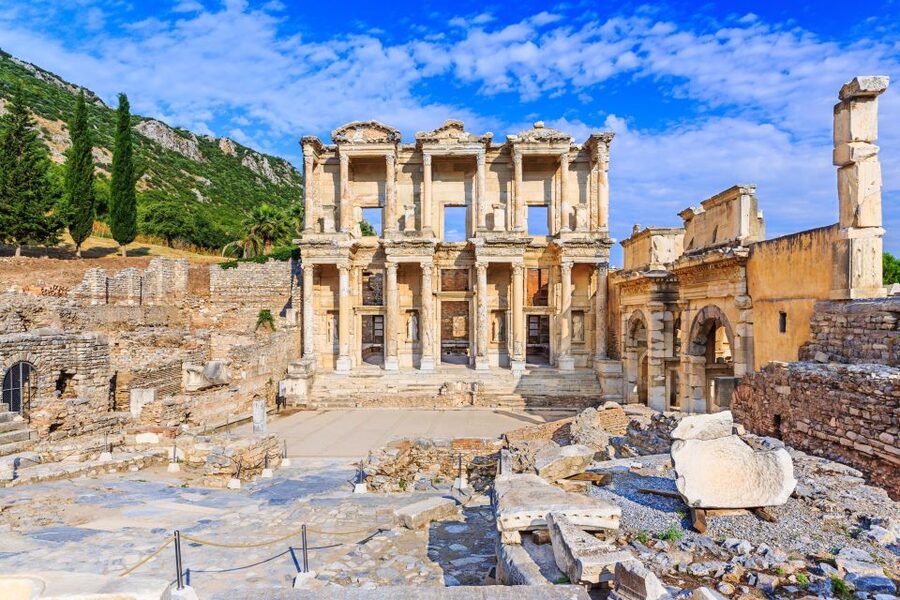
The Celsus Library is the visual centerpiece. Its restored facade is one of the most recognizable sights in Turkey, with columns and carved details that give you a clear idea of the scale and ambition of Roman public buildings. A good guide adds the human story behind the stone, explaining what the structure meant to the city and how it fit into public life.
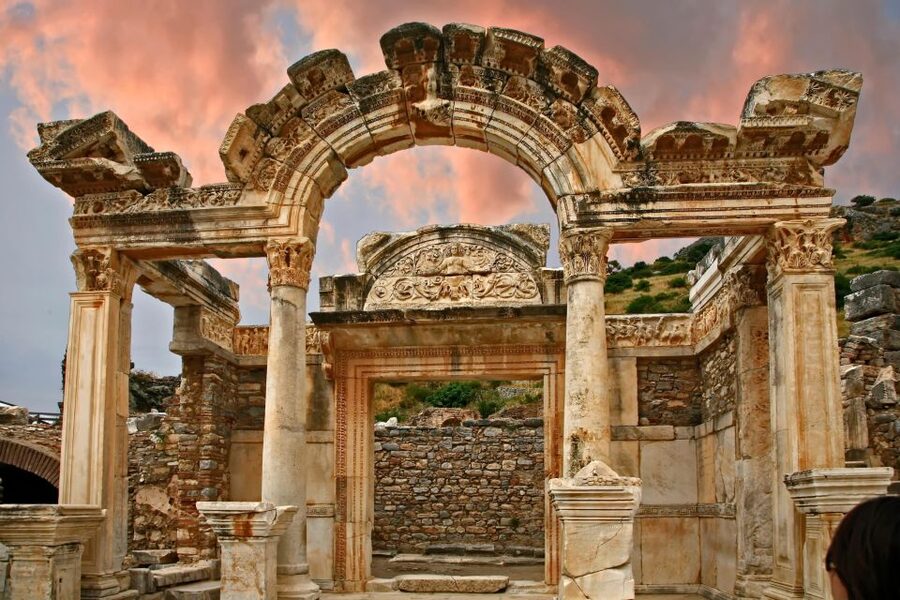
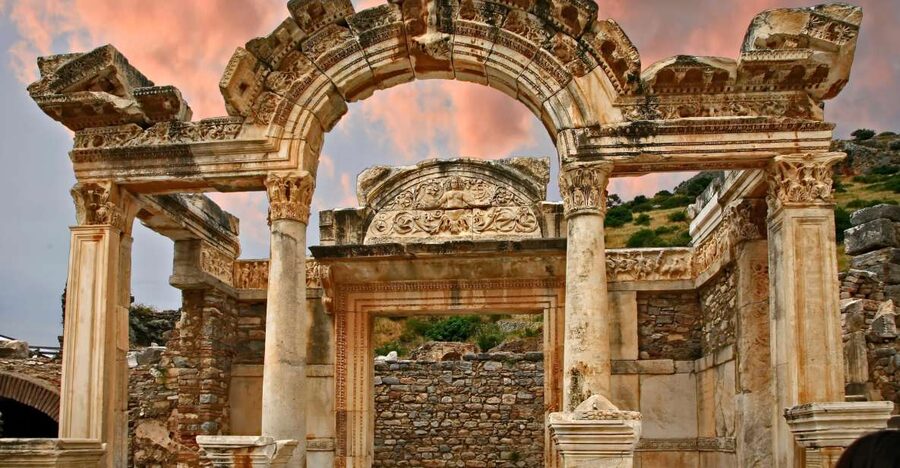
The Temple of Hadrian and the Fountain of Trajan show a different side of Ephesus. Instead of one grand monument, you get smaller details and civic features that help you understand how people moved through the city. Listen closely to your guide here. Without context, it is easy to walk past fragments and miss their purpose.
The Great Theater is another major stop. Its size makes the political and social life of Ephesus easier to picture. The theater is also linked to the city’s importance in early Christian history, since Ephesus appears in the Book of Revelation as one of the seven churches.
One smart feature is the route direction. Tijen Oral has been praised for starting at the top and walking down rather than making the climb in the opposite direction. The precise path can change, but this advice is worth keeping in mind. Ask your guide about the easiest direction when you begin.
Wear shoes with a firm sole. The ancient paving can be uneven, and you will want to look up at the columns and facades without constantly worrying about your footing. Bring a camera, but leave the tripod behind, since tripods are not allowed.
Same streets, a different century:
- Istanbul Gedikpasa Historical Turkish Bath with Privacy Option
★ 5.0 · 1,285 reviews - Istanbul: Acemoglu Historical Turkish Bath w/Private Options
★ 4.6 · 1,190 reviews - Istanbul: Gedikpasa Historical Hammam with Privacy Add-On
★ 4.8 · 918 reviews - Istanbul Historical Tour with Guide, Lunch and Transfers
★ 4.5 · 561 reviews
Saint John Basilica and the layers of Selcuk
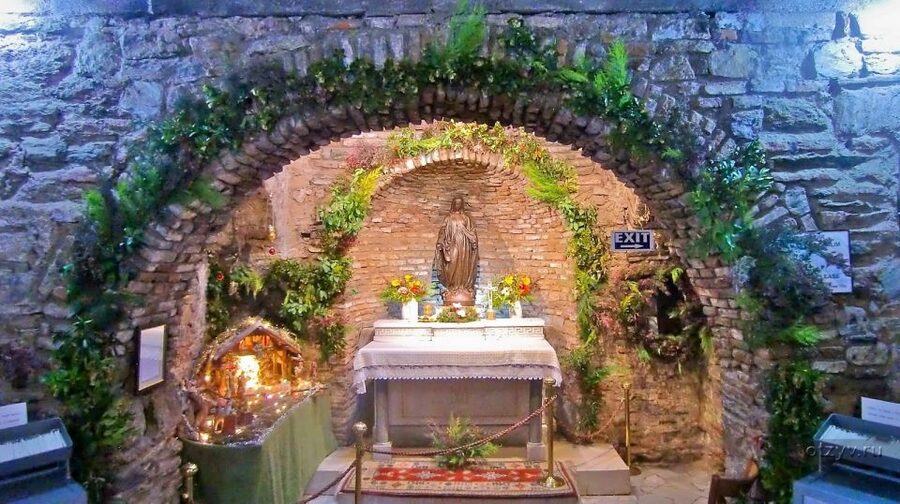
The Basilica of Saint John the Apostle is another important stop in the Selcuk area. It is believed to have been built over the apostle’s tomb by Emperor Justinian in the sixth century. An earthquake destroyed the basilica in the 14th century, but its remaining walls and foundations still make the site worth seeing.
This is a good stop for anyone interested in early Christianity, Byzantine history, or pilgrimage routes. It also gives you a break from the dense concentration of monuments at Ephesus. The remains are open and spread out, so your guide’s explanation will help you understand what you are looking at.
The supplied route information places Selcuk in the itinerary for about 30 minutes, while the detailed description also includes Saint John Basilica among the main points of interest. The exact order and timing may vary. That flexibility is useful when traffic, crowds, or your cruise schedule require a change.
The Temple of Artemis, one surviving column
The final major sight is the Temple of Artemis, about 30 minutes from the itinerary. Artemis was one of the Seven Wonders of the Ancient World, but very little of the original monument remains above ground today. The most striking feature is the contrast between its former importance and the quiet ruin you see now.
Do not expect a complete temple like the Parthenon. The value is in understanding the site’s place in ancient history and seeing how much has disappeared. Your guide can connect the temple with Ephesus and explain why it mattered to the ancient city.
This is a short stop, but it gives the tour a fitting ending. Ephesus shows you a functioning ancient city, while Artemis shows you how even a celebrated wonder can fade almost entirely from view. Bring your camera, though the stop is more about scale, memory, and context than a long list of surviving structures.
Shopping, local flavor, and the flexible edge
Shopping can form part of the Selcuk, Artemis Temple, or Kusadasi portions of the day. The experience may include Turkish delights, leather goods, or a fashion presentation. One itinerary included time at a Turkish delights shop and a leather store with a fashion show.
This will appeal to you if you want more than ruins. It gives the day a link to present-day Turkish commerce and local products. On the other hand, shoppers who dislike organized stops should tell the guide early. The tour is described as adaptable, and guides such as Kaya and Esen have adjusted visits to suit personal interests.
That flexibility is one of the stronger reasons to choose a private group. You can spend more time at the sites you care about and less time on shopping. In a shared group, the balance may be less personal, though the exact group arrangement is not specified.
The final Kusadasi portion allows about 30 minutes for sightseeing, walking, photographs, and shopping before drop-off. If your ship has a strict departure time, keep your watch handy and confirm the return timing with your guide at the start.
How the $22 price works in real life
At $22 per person, the tour is inexpensive for a half-day outing that includes transport and a licensed local guide. The price is especially fair for cruise passengers who want a direct route from the port rather than arranging several separate taxis or transfers.
The important catch is that historical-site entrance fees are not included. Lunch and drinks are also extra, as are personal purchases. The low headline price therefore works best as a starting point, not as your complete day budget.
You can choose to book with or without Ephesus tickets, according to the tour arrangements available. One group selected the option without tickets and paid the entrance price separately. This may give you more control over the cost, but it also means you should confirm the current admission fee before you go.
The tour offers free cancellation up to 24 hours before departure and allows you to reserve now and pay later. That is useful for cruise plans, which can shift with weather, port changes, or ship schedules. Check the available start times before booking.
What the guides add to the day
The strongest feature of this experience is the guide service. Memo is praised for attentive explanations and for making the tour feel personal. Kaya has been singled out for clear English, easy storytelling, and adapting the route to suit different interests. Tijen Oral has helped make the walking route more comfortable by beginning at the top.
Esen is described as helpful and well informed, while Kunce has been noted for excellent English and willingness to explain Turkish customs. These details matter because Ephesus is much better with interpretation. A silent walk past columns is pleasant enough, but a good guide shows you why a fountain, theater, library, or temple mattered.
The guides also add small local touches. One shared a Turkish recipe to try at home. Another included time at local shops. These are not the main reason to book, but they can make the day feel less like a quick monument checklist.
Who should book this Ephesus tour
I would choose this tour if I were arriving by cruise and wanted the main sights without committing to a full day. It suits history fans, first-time visitors to Ephesus, religious-history enthusiasts, and anyone who values a guide who can explain what the ruins mean.
It is also a sensible choice for families and small private groups that want a simple port pickup. The private option gives you the best chance of tailoring the balance between Ephesus, religious sites, photographs, and shopping.
I would think twice if you want a slow archaeological study, a long lunch, or a completely shopping-free day. Two hours at Ephesus is enough for the major sights, but not enough to examine every corner. I would also skip it if uneven ground or extended walking is difficult for you.
Should you book it?
Book this tour if you want a well-focused introduction to Ephesus with the convenience of cruise-port transport. The best value comes from the licensed guide, the simple pickup, and the chance to combine Ephesus with the House of the Virgin Mary, Saint John Basilica, and Artemis Temple in one outing.
Before paying, check the entrance-fee arrangements and decide if you want a private group. Bring comfortable shoes, a camera, and realistic expectations about the $22 price. It covers the core service, but not every expense. For a short port day with a strong historical focus, this is a practical and flexible choice.
FAQ
Where does the tour meet cruise passengers?
Your guide meets you next to the Information Desk at the exit gate of the Kusadasi cruise port. The guide holds a sign with your name.
How long does the tour last?
The tour lasts about 4 to 4.5 hours. Starting times depend on availability.
What languages are available?
Live guides are available in English, French, German, and Spanish.
Are entrance fees included?
No. Entrance fees for historical sites are not included in the listed price.
Are lunch and drinks included?
No. Lunch, drinks during the tour, and personal expenses are paid separately.
Can I book a private group?
Yes. A private group option is available.
Is the tour suitable for people with mobility impairments?
No. The tour is not suitable for people with mobility impairments. Comfortable shoes are recommended, and you should watch your step on the route.
Newest history tours we have reviewed in Turkey
- 1 Day Ancient City Ephesus and House Virgin Mary Trip from Bodrum★ 4.0 · 21 reviews
- Termessos, Ancient City Hiking Tour★ 5.0 · 26 reviews
- Perge Aspendos Side the Historical sites of Antalya★ 5.0 · 48 reviews
- Antalya Eagle Canyon Tour With Rafting OR Selge Ancient City★ 4.5 · 79 reviews
- Antalya City Tour: History, Waterfalls & Old Town Charm★ 5.0 · 33 reviews
- Exploring Ancient Wonders and Natural Beauty in Turkey★ 5.0 · 62 reviews
- Full-Day Tour of Kursunlu Waterfalls, Aspendos, and Ancient Ruins of Side From Alanya★ 4.0 · 37 reviews
- From Antalya: Roman Ancient Sites & Manavgat Waterfall Tour★ 4.8 · 38 reviews
Ancient History Tours, compared.
Colosseum: Underground and Ancient Rome Tour
Read our review →
Colosseum & Ancient Rome with Arena Floor Option I Max 6 People
Read our review →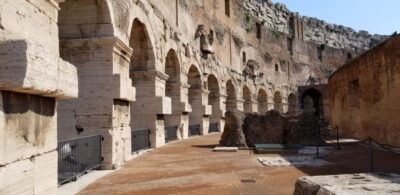
Colosseum, Ancient Rome Tour or AudioGuided Tour
Read our review →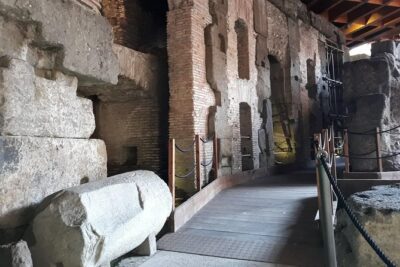
Colosseum Underground & Ancient Rome Guided Tour
Read our review →
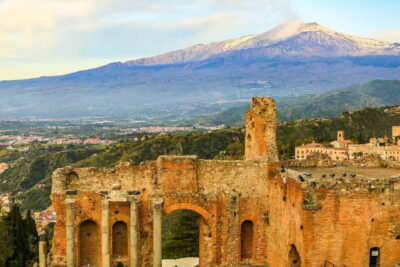
Taormina: Ancient Theater Skip-the-Line Ticket & Audio Guide
Read our review →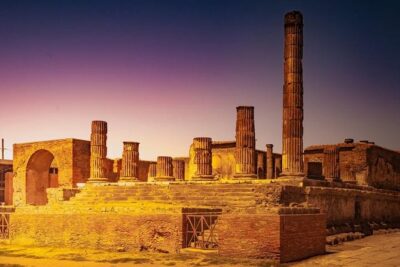
Discover the Ancient Ruins of Pompeii: Day Trip from Rome
Read our review →
Discover Matera, the ancient city – English tour
Read our review →Browse the lists this tour appears in