
Review · NETHERLANDS HISTORY TOURS
Rotterdam: Kinderdijk UNESCO World Heritage Entry Ticket
Kinderdijk is where Dutch water engineering becomes something you can walk through. Nineteen historic windmills line the canals and polders, and two museum mills let you see how miller families lived and worked. I like the working machinery and the easy mix of walking, museums, and water travel. I also like that the ticket includes the boat, rather than charging you again once you arrive.
The main catch is that this is a self-guided visit, not a guided tour with someone leading you from stop to stop. You will do a fair amount of walking, with little shade along some stretches, and the boat may stop running in poor weather. Plan your route before setting off.
Key points to know before you go
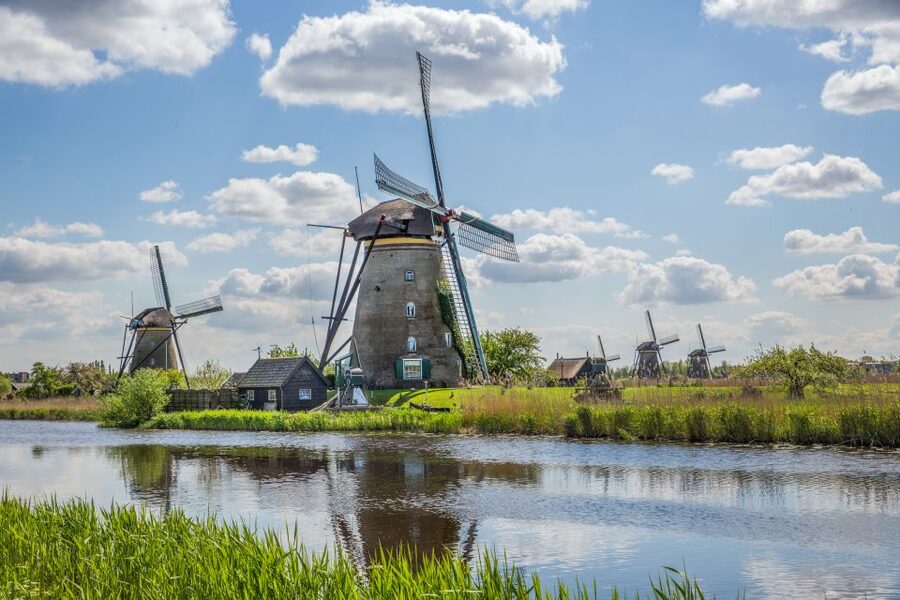
- Nineteen windmills in one place: See one of the Netherlands’ clearest examples of historic water management at a UNESCO World Heritage Site.
- Two mills you can enter: The Blokweer and Nederwaard Museum Mills show both the machinery and the cramped daily life of miller families.
- A boat ride across the polders: The included tour boat gives you a different view of the canals, dikes, and rows of mills.
- More than a photo stop: A pumping station, film, exhibitions, and audio tours explain why the mills mattered.
- Allow several hours: Two to three hours is enough for a brisk visit, while half a day gives you time to walk, wait for boats, and explore at an easy pace.
- Transport is separate: You must arrange your own way to Kinderdijk. Waterbus 21 is a popular option from Rotterdam, but check the timetable before leaving.
Why Kinderdijk is more than a row of pretty windmills
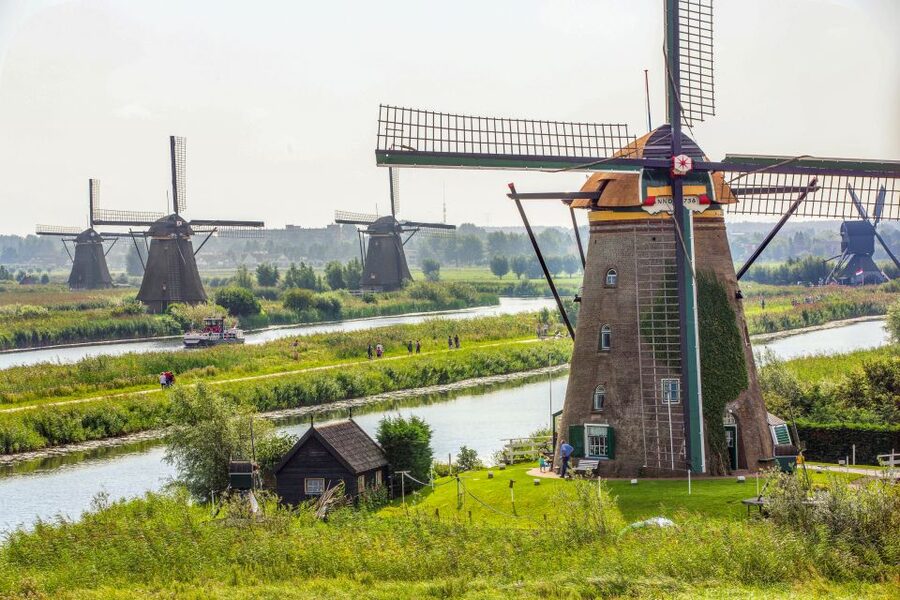
The famous view is real: canals, grassy banks, old brick buildings, and windmills turning above the water. But the point of Kinderdijk is not simply to count windmills or take the same photograph everyone else takes.
This is a working story about keeping low-lying land dry. The mills lifted water from one level to another, moving it through a system of canals and storage areas. The pumping station shows how later technology took over some of that work. Once you understand this, the site becomes much more interesting than a scenic village.
The setting also gives you a taste of old Dutch life. The paths run beside water and dikes, with the mills spaced along the polder. You can walk at your own speed, pause for photographs, listen to the audio guide, or board the boat and see the site from the canals.
The ticket costs about $25 per person. Much of the outdoor area can be viewed without paying for the full ticket, so the value depends on what you want to do. If you only want a distant view of the mills, you may not need every included feature. If you want to enter the mills, see the pumping station, watch the film, and use the boat, the price is sensible for a full half-day outing.
Your ticket also helps support the upkeep of a fragile heritage site. The mills, canals, machinery, paths, and museum buildings all need care. For me, that makes the paid areas more worthwhile than treating Kinderdijk as a free roadside photo stop.
More UNESCO World Heritage Tours in the Netherlands:
- World Heritage Shirakawa-go and Experience Tours from Kanazawa
★ 5.0 · 4,049 reviews - From Tirana: Berat UNESCO Heritage & Belshi Lake Tour
★ 4.9 · 3,863 reviews - Bali: Tanah Lot UNESCO World Heritage Sites Full-Day Tour
★ 4.7 · 1,947 reviews
Arriving from Rotterdam and choosing your route
Kinderdijk is outside central Rotterdam, and transport is not included. The practical choice depends on your plans, the weather, and how much walking you want.
Waterbus 21 is a well-used route from Rotterdam and takes about 35 minutes on the direct ride described by visitors who made the trip. Some people combine the waterbus with a short walk or bike rental near the arrival point. That approach fits the setting nicely, since you begin seeing Dutch waterways before reaching the windmills.
Check the current waterbus schedule before you leave. Service times matter more here than at a city museum because you are visiting a large outdoor site with a fixed closing time. If your return boat or bus is infrequent, leave enough time to get back to the stop.
Driving is possible, but parking can be difficult, especially at busy times. I would not build a tight schedule around finding a space. If you arrive by car, allow extra time and do not assume you can park right beside every attraction.
The site itself is wheelchair accessible, and mobility scooters can be used once you are there. The approach from some water taxi services may be less convenient for disabled visitors, so check the transport connection rather than looking only at the accessibility information for the heritage site.
Start with the film and exhibition
A short film and exhibition are useful at the beginning because they give meaning to what you are about to see. The windmills are visually striking, but their purpose is not always obvious if you simply walk past them.
Use this first stop to learn how the pumping system worked and why the mills were built in such numbers. The film is short, around nine minutes according to one detailed description, so it will not consume your day. It is a good choice if the weather is wet or if younger children need a break from walking.
The online guide adds audio tours in English, Dutch, French, Spanish, Italian, Chinese, and German. The on-site host or greeter speaks Dutch and English. You should ask for the audio tour code at the information desk, since it may not be handed to you automatically.
A self-guided format gives you freedom, but it also means you need to pay attention. There is no guide pacing the group or announcing the next stop. Read the signs, use the online guide, and ask staff questions when you want more detail.
See daily life inside the Blokweer and Nederwaard mills
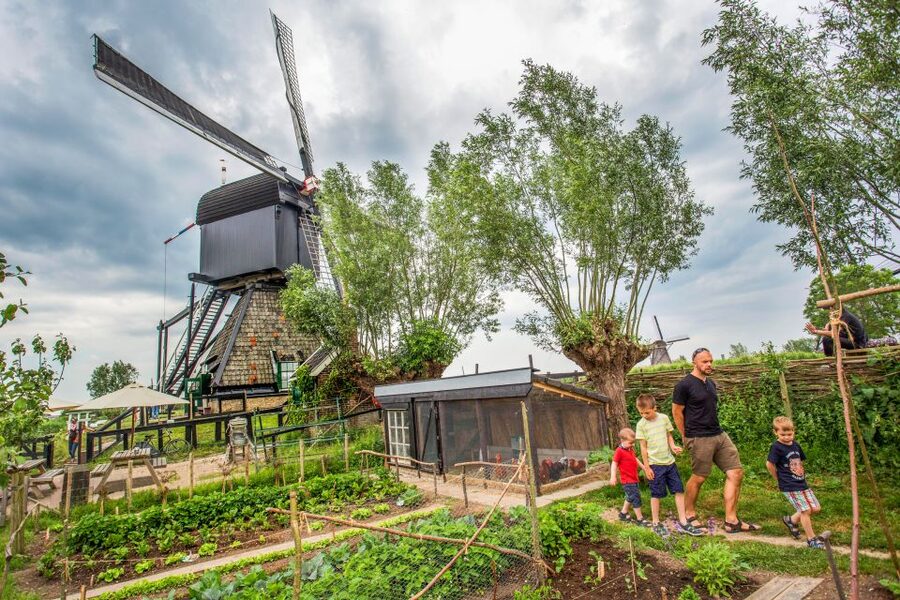
The two museum mills are the strongest part of the ticket. You are not simply looking at a large wooden machine from outside. You can enter and see the tight working spaces, the moving parts, and the way miller families lived inside these unusual homes.
The Blokweer Museum Mill focuses on the traditional farm and mill setting. The Nederwaard Museum Mill gives you another view of mill life, including the equipment and family quarters. Together, they show the human side of water management.
The machinery is especially worth watching when the mill is operating. You might see the sails turning and the internal gears working, while a miller adjusts the sails outside. That physical movement helps explain why these buildings were once essential pieces of infrastructure, not decorative landmarks.
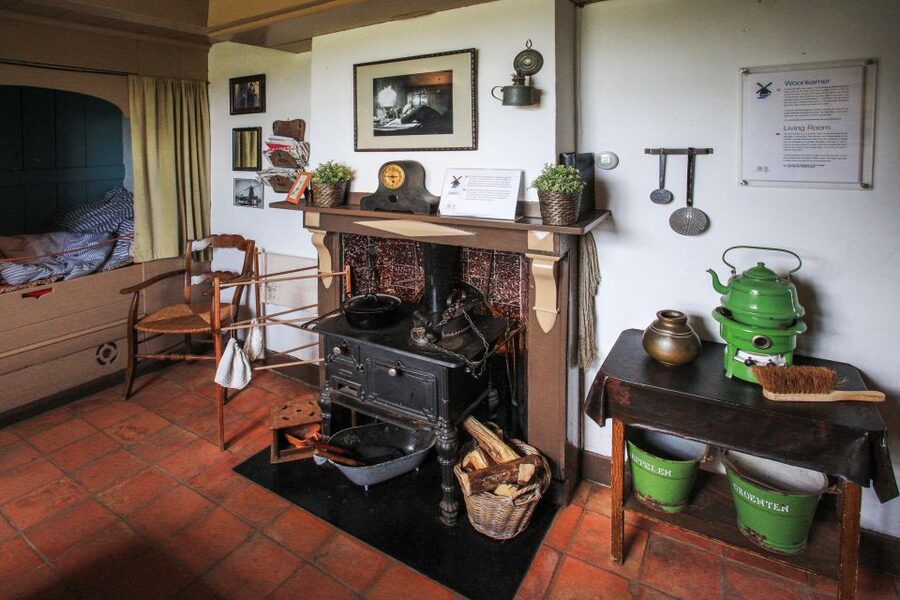
The living quarters are tight and practical. Seeing where families slept, cooked, and worked makes the past feel direct and ordinary. You get a better sense of the skill and routine needed to operate a mill than you would from a modern display case.
The mills can be narrow and busy at popular times. Move patiently and allow other people space on stairs and inside small rooms. If you have mobility concerns, ask staff what parts of each mill are easiest to reach.
More Entry Tickets in the Netherlands:
- New York City: American Museum of Natural History Ticket
★ 4.5 · 15,447 reviews - Edinburgh: Edinburgh Castle Guided History Tour with Tickets
★ 4.8 · 9,933 reviews - Taormina: Ancient Theater Skip-the-Line Ticket & Audio Guide
★ 4.5 · 2,412 reviews - Historic Milan Tour with Skip-the-Line Last Supper Ticket
★ 4.5 · 1,976 reviews
Take the boat through the polder
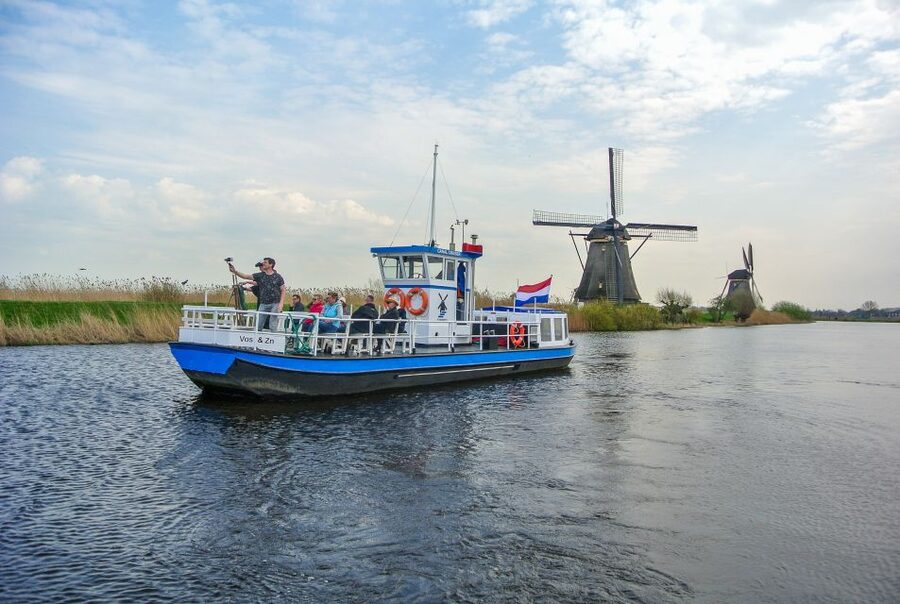
The included boat is not just a shuttle. It gives you a low, open view of the canals and the full row of windmills. From the water, the spacing of the mills and the relationship between the channels become easier to understand.
Some boats carry you between the main points, while another route can give you a broader ride around the canal area. The exact sailing pattern can vary, so check the departure board when you arrive.
One useful strategy is to take the boat all the way through first, then walk back to the museums. That gives you an overview before you stop at the individual attractions. Another approach is to use the boat as a lift between walking sections, which can save tired legs.
Do not leave the boat until the last minute. The final departure is 30 minutes before closing, and boats have limited capacity. In good weather, demand can be higher than expected. If the boat is full, you may need to wait or walk instead.
Bad weather can stop the boats altogether. The outdoor paths can also feel exposed in rain or strong wind. Bring a waterproof layer and check the forecast before choosing Kinderdijk as your main day activity.
Stop at the pumping station engine room
The pumping station provides the modern chapter in the story. After seeing the old windmill system, you can look at the engine room and understand how mechanical pumping changed the work of controlling water levels.
This stop is valuable because it prevents the visit from becoming a romantic look at old Dutch buildings. Kinderdijk is about changing technology as much as it is about tradition. The pumping station shows the practical continuation of the same problem: keeping the polder dry and usable.
The engine room is included in the ticket, along with the film and exhibition. If you are interested in engineering, this may be one of the most rewarding stops. If you mainly want photographs, it is still worth a short visit because it explains why the windmills eventually became part of a larger system.
Walking, cycling, shade, and time
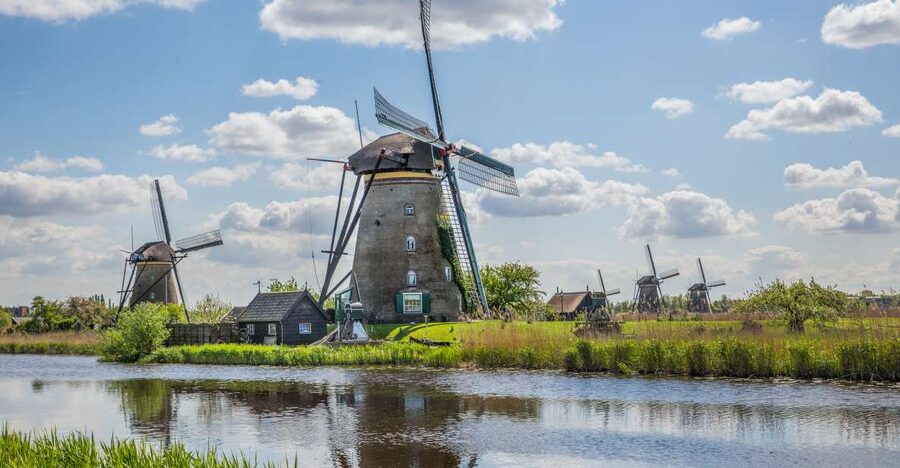
The paths are well kept, but Kinderdijk is spread out. You may walk a long way between the museums, boat stops, and viewing points. Some sections have little shade, so carry water and protect yourself from the sun on bright days.
A bicycle can make the site easier to cover, especially if you want to combine Kinderdijk with a longer ride from Rotterdam or the surrounding area. Cycling also fits the local setting, but watch for bicycles on shared paths and do not assume every narrow section is comfortable for fast riding.
For a quick visit, allow two to three hours. That gives you time for the film, both museum mills, the pumping station, and one boat ride if connections work well.
For a more relaxed visit, plan half a day. You can pause beside the canals, wait for the next boat, listen to the audio guide, and take your time inside the mills. A picnic can stretch the outing, though food and drinks are not included in the ticket.
The site is especially pleasant when you do not rush. The windmills are the main attraction, but the quiet stretches between them are part of the experience. You need time to notice the water levels, dikes, small bridges, and changing views.
When to visit and what the hours mean
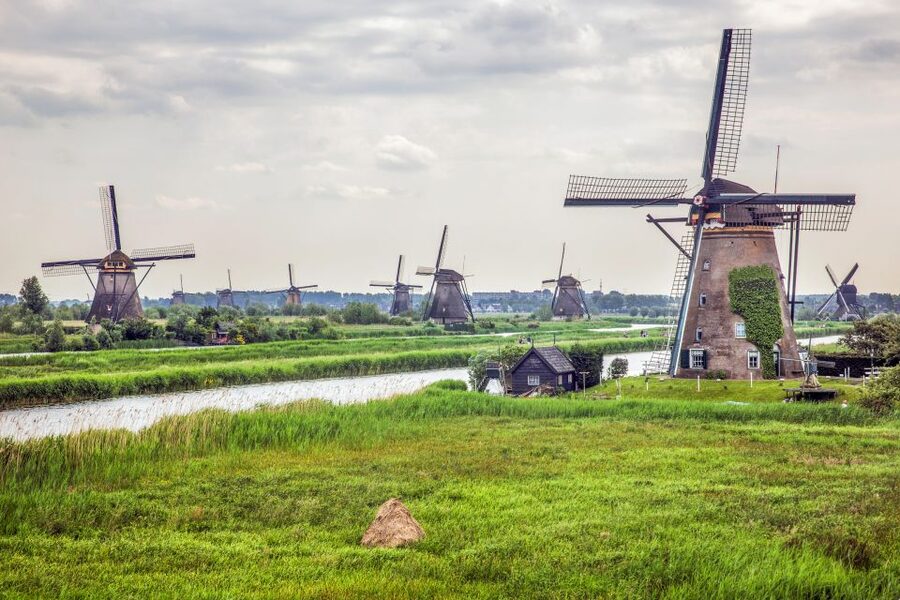
Opening hours change with the season. Until March 5, the site is open from 10:30 a.m. to 4 p.m. From March 6 through November 1, it opens daily from 9 a.m. to 5:30 p.m. From November 2 through December 31, hours return to 10:30 a.m. to 4 p.m. Kinderdijk is closed on Christmas Day.
The longer summer hours give you more freedom, especially if you are arriving by public transport. Early arrival is still useful if you want a quieter start and a better chance of boarding the boat without a long wait.
In winter, the shorter day makes planning more important. Start with the film and museums, then walk outside while there is enough light. Cold wind can make the open paths feel much harsher than the temperature suggests.
The site can be beautiful in any season, but sunshine changes the experience. Clear weather gives you the classic reflections and bright green fields. Gray weather creates a more subdued view, while rain may affect boat service and make the paths less comfortable.
Who will enjoy this visit most
Kinderdijk suits anyone who wants more than a quick city break in Rotterdam. It is particularly good for:
- People interested in Dutch engineering and land reclamation
- Families who like open-air attractions and an interactive scavenger hunt
- Photographers looking for canals, working windmills, and wide views
- History fans who want to see machinery and living quarters
- Cruise passengers who can arrange transport independently
- Visitors who prefer a self-guided pace instead of a fixed group tour
Families should find the scavenger hunt useful, especially when children need a reason to keep walking. The boat ride adds variety, and the museum mills offer something to explore beyond outdoor viewing.
This is less suitable if you want a short, fully guided excursion with every transfer arranged. It also requires care if you have difficulty walking long distances or standing in exposed weather. The site is accessible, but the journey from Rotterdam and the distance between attractions still matter.
Booking, cancellation, and practical value
You can cancel up to 24 hours before the visit for a full refund, and the reserve-now, pay-later option helps if your Rotterdam plans may change. Check the selected date and opening hours carefully, particularly outside the main season.
The ticket is valid for one day, so you can return to a favorite section during the same visit. It is not a guided group tour. You receive entry to the two museum mills, the pumping station engine room, the film and exhibition, the boat trip, and the online audio guide.
That package gives the ticket its value. The outdoor setting can be seen in part without paying, but the paid attractions explain what you are looking at and let you enter the mills. I would buy it if you have enough time to use at least three of the included features.
Should you book the Kinderdijk ticket?
Yes, if you are spending time in Rotterdam and want to understand a central part of Dutch life beyond the city streets. The windmills are beautiful, but the real reward is seeing how the mills, canals, dikes, pumping station, and human routines fit together.
Book it if you can spare at least half a day, arrange transport carefully, and accept a self-guided visit. Bring water, check the boat schedule, and do not depend on parking being easy.
Skip the ticket only if you have very little time or want a fully led tour. For everyone else, the combination of working windmills, museum interiors, boat views, and clear engineering context makes Kinderdijk one of the strongest day trips from Rotterdam.
FAQ
Is transport from Rotterdam included?
No. You must arrange your own transport to Kinderdijk. Waterbus 21 is one option, and the direct ride described in the information takes about 35 minutes. Check the timetable before setting out.
What does the Kinderdijk ticket include?
The ticket includes entry to the Blokweer Museum Mill, Nederwaard Museum Mill, pumping station engine room, film and exhibition, an online audio guide, and a boat trip through the World Heritage Site.
Is the visit guided?
No. This is a self-guided visit. Dutch and English-speaking hosts or greeters are available, and the online audio guide is offered in English, Dutch, French, Spanish, Italian, Chinese, and German.
How long should I spend at Kinderdijk?
Allow two to three hours for the main attractions. Half a day is better if you want to walk at an easy pace, wait for the boat, use the audio guide, or bring a picnic.
Does the boat always run?
No. The boats may stop operating in bad weather. The final boat departs 30 minutes before closing, and capacity is limited.
Is Kinderdijk wheelchair accessible?
The Kinderdijk site is wheelchair accessible and mobility scooters can be used there. Some water taxi access points may be less convenient for disabled visitors, so check your transport route in advance.
Newest history tours we have reviewed in the Netherlands
- Amsterdam: Jewish Quarter and History Guided Tour★ 4.7 · 210 reviews
- Skipping Lines & Sipping Beers: A History Tour of Amsterdam★ 5.0 · 22 reviews
- Amsterdam: Private Pedicab Historical Sightseeing Tour★ 5.0 · 41 reviews
- Amsterdam Walking Tour:Anne Frank, History & Liberal Culture★ 5.0 · 18 reviews
- Amsterdam: Iconic Canals & Historic Sights Walking Tour★ 4.5 · 90 reviews
- Amsterdam: Walking Tour of Historic Center★ 4.6 · 24 reviews
- Amsterdam: Luxury Canal Cruise with Historic VR Experience★ 4.7 · 31 reviews
- Amsterdam: Historical Highlights Walking Tour with Tasting★ 4.6 · 381 reviews
UNESCO World Heritage Tours, compared.
World Heritage Shirakawa-go and Experience Tours from Kanazawa
Read our review →

Bali: Tanah Lot UNESCO World Heritage Sites Full-Day Tour
Read our review →
World Heritage Kyoto & Nara Uji Authentic Matcha Experience
Read our review →

UNESCO’s Ayutthaya Historical Park: Full-Day Tour from Bangkok
Read our review →
From Busan: Gyeongju UNESCO World Heritage Guided Day Tour
Read our review →
Morning World Heritage Cruise on the Gordon River from Strahan
Read our review →Browse the lists this tour appears in